Electric motors are crucial in our modern world. They convert electrical energy into mechanical energy, powering a vast array of devices. Dr. Emily Thompson, a leading expert in electrical engineering, once noted, "Understanding what is an electric motor and how it works is fundamental to grasping modern technology."
An electric motor operates on simple principles. It uses magnetic fields and current to create movement. Many everyday objects rely on this technology. Think of electric cars, home appliances, or industrial machines. Each one showcases the motor's power and efficiency. However, the intricacies of their design can be complex.
Many fail to appreciate the detailed mechanics behind electric motors. The relationship between electricity and magnetism can seem abstract. Yet, this technology shapes our lives. Reflecting on its intricacies can lead to a deeper understanding of its importance. What is an electric motor and how does it work? This question opens a door to exploring innovation and engineering. Understanding these devices enhances our appreciation for technology and its role in our everyday lives.
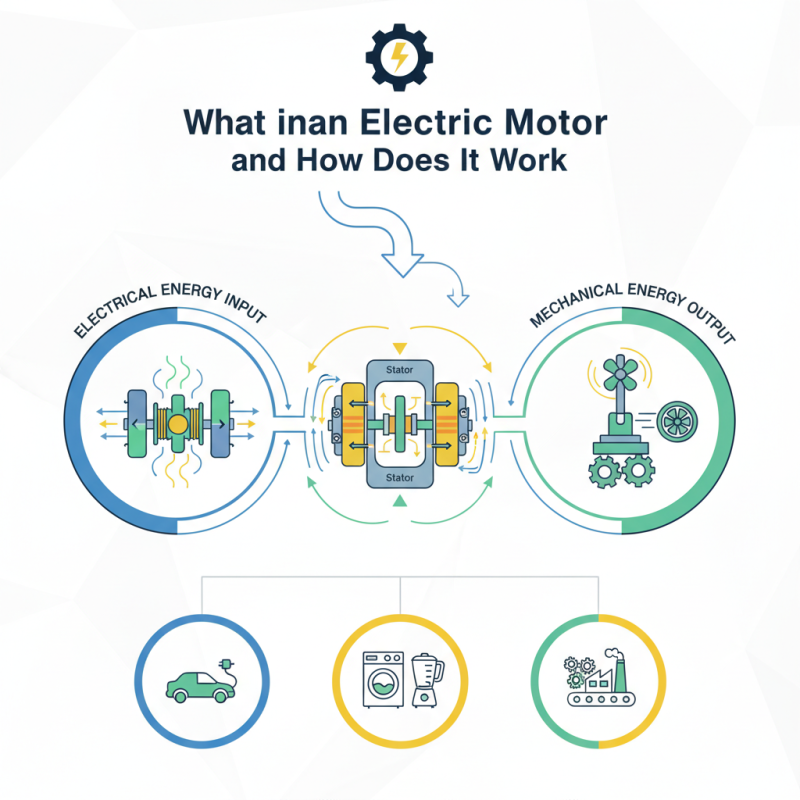
Understanding the Basics of Electric Motors
Electric motors are fascinating devices that convert electrical energy into mechanical energy. They play a crucial role in countless applications, from household appliances to industrial machines. Understanding the basics of electric motors starts with the core principle of electromagnetism. When an electric current passes through a coil, it generates a magnetic field, causing the rotor to spin.
The design of electric motors varies widely. Some are simple, like a brushed DC motor, while others are complex, such as stepper motors. Each type has its own unique functions and efficiencies. For instance, variations in winding and magnet placement can significantly affect performance. While many enjoy the convenience of these tools, few think about their underlying mechanisms.
It's also intriguing how different environments impact motor performance. Motors may overheat in high temperatures or not operate effectively in dusty areas. Moreover, maintaining electric motors can be challenging, leading to potential failures. Enthusiasts often overlook the importance of regular inspection and care. This attention to detail can prevent costly repairs. Understanding these nuances enriches our appreciation for electric motors and their engineering marvel.
Understanding Electric Motors: Power Consumption by Type
The Components of an Electric Motor and Their Functions
Electric motors are fascinating devices that convert electrical energy into mechanical energy. Understanding their components is essential to grasping how they function effectively. The main parts include the stator, rotor, commutator, and windings, each playing a crucial role.
The stator is the stationary part that generates a magnetic field. This magnetic field interacts with the rotor, the rotating part of the motor. The windings, wrapped around the rotor, create electromagnets when electricity flows through them. This interaction between the stator and rotor creates motion. The commutator, found in some motor types, helps switch the direction of current. This switching maintains rotation in one direction.
While these components work seamlessly together, their design can lead to inefficiencies. For example, any misalignment can cause increased wear and tear. Additionally, overheating can occur due to excessive current. Regular maintenance and inspection are vital to avoid these issues. Even a slight change in dimensions can affect performance significantly. Understanding these nuances can enhance the reliability and longevity of electric motors.
How Electric Motors Convert Electrical Energy into Mechanical Energy
Electric motors play a crucial role in converting electrical energy into mechanical energy. At their core, they utilize electromagnetic principles. When electrical current flows through coils, it creates a magnetic field. This interaction between electric current and magnetism is the foundation of how electric motors operate. The magnetic field causes the rotor within the motor to turn, resulting in mechanical motion.
Understanding the components is essential. Electric motors have stators, rotors, and often brushes or bearings. The stator is stationary and generates a magnetic field. The rotor spins within this field, leading to energy conversion. For many applications, efficiency is key. A well-designed motor can minimize energy loss, benefiting both performance and cost.
Tips: Regular maintenance can enhance motor performance. Keep motors clean and free from debris. Monitoring temperature can help detect issues early. If a motor starts making unusual noises, investigate promptly. Addressing problems can save on costly repairs. Remember, not all motors are the same. It’s crucial to understand specific requirements for each application.
What is an Electric Motor and How Does It Work Explained - How Electric Motors Convert Electrical Energy into Mechanical Energy
| Component |
Description |
Function |
| Stator |
The stationary part of the motor that creates the magnetic field. |
Provides the necessary magnetic field for operation. |
| Rotor |
The rotating part of the motor that turns the mechanical load. |
Converts electrical energy into rotational mechanical energy. |
| Commutator |
A switch that reverses the direction of current in the rotor windings. |
Ensures continuous rotation by changing current direction. |
| Windings |
Coils of wire wrapped around the rotor or stator. |
Generate magnetic fields when electrical current flows through them. |
| Bearings |
Support the rotor and allow it to spin freely. |
Facilitate smooth rotation and reduce friction. |
Exploring Different Types of Electric Motors and Their Applications
Electric motors play a vital role in modern technology, with various types suited for different applications. The most common types include AC motors, DC motors, and stepper motors. According to a report by the International Electrotechnical Commission, the global electric motor market is expected to exceed $120 billion by 2025. This growth can be attributed to the increasing demand for energy-efficient devices across industries.
AC motors are prevalent in household appliances and industrial machinery. They are both reliable and cost-effective. DC motors find their place in electric vehicles and portable tools due to their simplicity and precise control. Stepper motors, while less common, are essential in robotics and CNC machines. These motors enable accurate positioning and control, making them indispensable in manufacturing processes. Yet, as we advance, the challenge lies in ensuring the efficiency of these motors while minimizing environmental impacts.
Despite the advancements, there are inefficiencies that need addressing. Many existing motors still waste energy through heat loss or unnecessary friction. For instance, a study indicated that up to 20% of energy could be lost in traditional induction motors. By focusing on improving materials and designs, industries can enhance motor performance. However, the path to innovation often reveals unexpected obstacles. Balancing cost and efficiency remains a complex issue in developing next-generation electric motors.
The Principles of Electromagnetism in Electric Motor Operation
Electric motors operate based on electromagnetism, a fundamental principle of physics. When electric current flows through a wire, it creates a magnetic field. This magnetic field can interact with other magnetic fields. In a motor, these interactions generate motion. The wire is typically wound into coils, amplifying the magnetic effect.
When current flows through the motor’s coils, it produces a rotating magnetic field. This rotates the rotor, the motor's moving part. Coils are situated in a magnetic field, often provided by permanent magnets or electromagnets. Variations in current direction cause continual rotation. This process relies heavily on the precision of the components involved.
However, not all motors are efficient. Friction and heat can hinder performance. These factors often need addressing in design and maintenance. Engineers frequently reflect on this issue to enhance motor longevity. Understanding these complexities in electromagnetism is crucial for those involved in motor technology. Mastery of these principles can lead to substantial improvements.
FAQS
: Electric motors convert electrical energy into mechanical energy for various applications.
An electric current passes through a coil, generating a magnetic field that spins the rotor.
Key components include the stator, rotor, windings, and sometimes a commutator.
Regular maintenance can prevent overheating, misalignments, and overall failures, saving costs.
Motors may overheat in high temperatures or struggle in dusty conditions, affecting efficiency.
AC motors, DC motors, and stepper motors serve specific applications like household and industrial use.
Balancing cost and efficiency while addressing energy losses and heat dissipation remains complex.
Yes, small misalignments or adjustments can lead to increased wear or inefficiencies.
They provide precise control and accurate positioning necessary for advanced manufacturing techniques.
Energy loss due to heat and friction can reach around 20% in traditional motors, needing improvement.
Conclusion
An electric motor is a crucial device that converts electrical energy into mechanical energy, functioning through the principles of electromagnetism. Understanding the basics of electric motors involves recognizing their key components, such as the stator and rotor, each playing a significant role in the motor's operation. These components work together to create rotational motion when electrical current flows through the motor, demonstrating how electric motors efficiently perform tasks in various applications.
Furthermore, different types of electric motors serve diverse purposes across multiple industries, from small household appliances to large industrial machines. By exploring what is an electric motor and how does it work, one gains insight into the fundamental engineering principles that empower modern technology, highlighting the impact of electric motors on daily life and industrial processes.

 RedCat Motors