Electric motors quietly power pumps, fans, conveyors, compressors, and countless machines around us. Their efficiency determines how much electrical energy becomes useful mechanical output. The rest becomes heat, noise, vibration, and other losses. Even a small efficiency difference can raise operating costs across thousands of running hours.
This guide explains what factors affect electric motor efficiency and how technicians can evaluate them in real working conditions. Nameplate ratings provide a useful starting point, but they do not tell the whole story. A motor rated at 95% efficiency may perform differently under light loads, voltage imbalance, or frequent starts. Real measurements matter. Technicians can compare input power with shaft output, inspect winding temperatures, and monitor vibration near the bearings.
Motor design is important. Core materials, winding quality, rotor construction, and cooling systems influence performance. Operating conditions matter just as much. Oversized motors often run inefficiently, especially when a pump or fan operates far below its intended load. Poor alignment can increase friction. Dust can block airflow. A worn bearing may quietly consume more energy for months.
Not every efficiency loss is obvious.
Maintenance records, power readings, and manufacturer data should be considered together. Standards such as IEC 60034-30-1 help classify motor efficiency, but field conditions can complicate comparisons. This article examines the main losses, practical measurement methods, and realistic ways to improve performance. Some recommendations may require adjustment. Every motor has a different duty cycle, environment, and maintenance history.
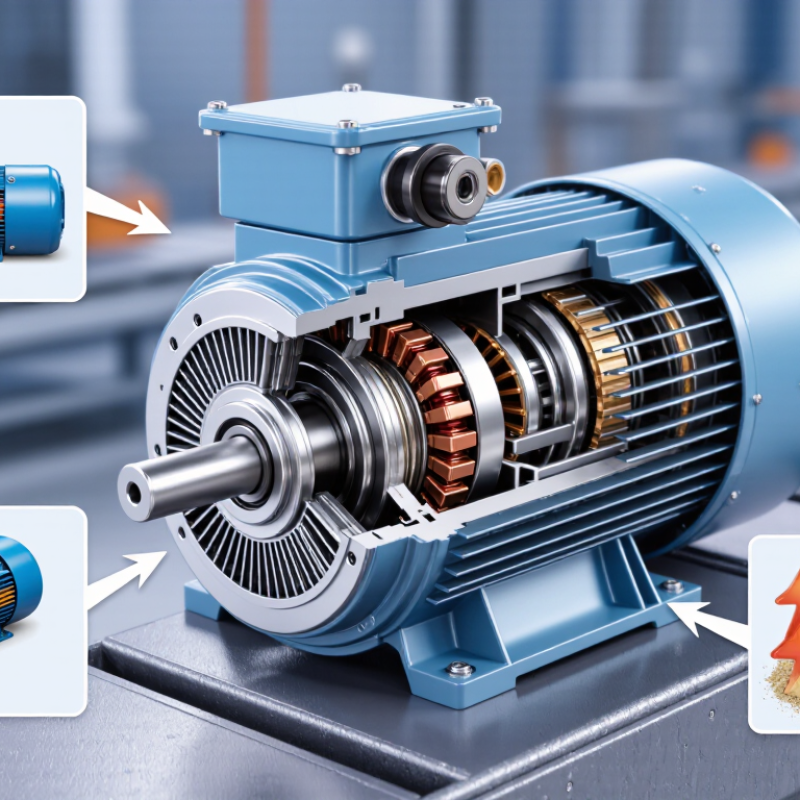
Electric motor efficiency describes how much electrical energy becomes useful mechanical motion. It is usually shown as a percentage. A motor rated at 90% efficiency converts most input power into shaft power, while the rest becomes heat, sound, and vibration. Small losses matter. They can raise energy costs and shorten service life.
Efficiency changes with load, speed, voltage, temperature, and maintenance. A motor may perform well near its designed load but waste more energy when lightly loaded. Misaligned couplings, worn bearings, blocked ventilation, and loose connections also create hidden losses. In routine maintenance checks, technicians should measure input power and output conditions under normal operating loads. A single reading can mislead. Temperature and operating time deserve attention too. I have seen efficiency estimates look excellent on paper, yet the motor ran hot because the measurement ignored changing loads. That result needs careful review, not blind confidence.
Tips: Keep cooling paths clean and inspect bearings regularly. Use calibrated instruments when checking voltage, current, and power. Compare readings across several operating periods. Record the load, temperature, and running hours. These details often explain an unexpected efficiency change. Also, avoid replacing a motor based only on its percentage rating; correct sizing may matter more.
Electric motor efficiency describes how much electrical energy becomes useful mechanical power. It is calculated as output power divided by input power, multiplied by 100. A motor drawing 10 kilowatts and delivering 8.5 kilowatts has an efficiency of 85 percent. The remaining energy becomes heat, sound, magnetic loss, and friction.
Accurate measurement requires more than reading the current display. Technicians measure voltage and current at the motor terminals with calibrated electrical instruments. They also measure shaft torque and rotational speed using a torque transducer and tachometer. Mechanical output power is calculated from torque and speed. The motor should run at a stable temperature and load before readings are recorded. Small changes matter.
Test conditions can change the result. Voltage imbalance, waveform distortion, bearing temperature, and cooling airflow may all affect efficiency. A motor tested at half load may show a different value from one tested near its rated load. Power-factor errors can also produce misleading input readings. That number may look precise.
In practical testing, engineers repeat measurements and compare them with a recognized efficiency standard. They record ambient temperature, supply frequency, load level, and instrument accuracy. Direct measurement is usually more trustworthy than relying only on a nameplate value. Still, no test is perfect. Sensor alignment, heat loss, and calibration drift can introduce uncertainty, so the final result should include a reasonable tolerance.
Electric motor efficiency describes how much electrical input becomes useful mechanical output. The rest becomes loss. This matters widely: the International Energy Agency estimates motor-driven systems consume nearly 46% of global electricity. Even small efficiency improvements can therefore produce measurable savings.
Copper losses occur when current heats the stator and rotor windings. Higher load usually increases these losses sharply. Core losses come from magnetic hysteresis and eddy currents in the steel laminations. They continue even when the motor runs lightly.
Bearings, seals, fans, and misalignment create mechanical losses. Some energy also disappears through stray-load losses, which are difficult to measure precisely.
Variable-speed drives add another layer.
Switching devices can create harmonics, heat, and waveform distortion. Poorly sized drives may waste energy during low-load operation. The U.S. Department of Energy’s motor-system guidance recommends examining the complete system, not only the nameplate efficiency. Pumps, fans, belts, and throttling controls can dominate the final result. A clean motor can still serve an inefficient machine.
Temperature is a practical warning sign. A blocked cooling path raises winding resistance and accelerates copper loss. Dust matters. So does frequent starting. IEC 60034-30-1 efficiency classes improve comparison, but laboratory ratings cannot represent every installation. Real measurements should include voltage balance, load profile, power factor, and operating hours. One estimated number is never the whole story.
Electric motor efficiency describes how much electrical energy becomes useful mechanical output. It is never a fixed number. Load, voltage, frequency, temperature, and operating speed can change it significantly. A motor running far below its rated load may waste more energy than expected. Excessive voltage also increases magnetic losses and heating. Even a small voltage imbalance can raise current in one winding, reducing efficiency and shortening service life.
Mechanical condition matters just as much. Worn bearings create friction, while misalignment forces the shaft to work harder. Dust blocking ventilation can trap heat inside the housing. Heat damages insulation and increases electrical resistance. In maintenance checks, a warm motor casing often signals poor airflow, excessive load, or both. Lubrication helps, but too much lubricant can also increase drag. That detail is easy to miss.
Control methods influence performance too. Variable-speed operation can reduce energy use when process demand changes. However, unsuitable settings may create harmonics, vibration, or additional losses. Accurate testing should compare input power with shaft output under a stable load. Instruments must be calibrated, and readings should cover different operating conditions. A single reading can mislead. I would also inspect cable size, connections, and starting cycles before judging a motor. Efficiency estimates sometimes look precise, yet real workplaces contain measurement errors, fluctuating loads, and imperfect maintenance habits.
Improving motor efficiency starts with measurement, not guesswork. The International Energy Agency reports that motor-driven systems use about 46% of global electricity. Industry uses an even larger share. This makes small maintenance errors expensive.
Check motor loading with a power analyzer during normal production. Oversized motors often operate inefficiently at light loads. Correct sizing matters. The U.S. Department of Energy states that electricity can exceed 95% of a motor’s lifetime cost. Therefore, a slightly higher-efficiency motor may repay its purchase cost through lower energy use. However, replacement decisions should include operating hours, load patterns, and installation costs.
Keep shafts aligned and bearings properly lubricated. Excess grease can raise temperature and damage seals. Inspect cooling fans, air passages, terminals, and insulation regularly. Even a small voltage imbalance can create much larger current imbalance, increasing heat and shortening winding life. Variable-speed drives can reduce energy use in pumps and fans, but poor programming may create harmonics or excessive starts. Measure results after adjustment.
Use infrared inspections and trend vibration, temperature, current, and power factor. The U.S. Department of Energy recommends systematic motor-system assessments because equipment interactions often hide losses. A checklist helps. It is not infallible. Production changes, dirty filters, or a neglected coupling can invalidate old assumptions. Review operating data every few months, and question readings that look unusually perfect.
It shows how much electrical energy becomes useful shaft motion. A 90% efficient motor loses about 10% as heat, sound, and vibration.
Small losses can increase electricity costs and operating temperatures. They may also shorten bearing and winding life.
No. Efficiency often changes with load, speed, voltage, and temperature. A motor may work well near its designed load but waste energy when lightly loaded.
Measure input power and output conditions during normal production. Use calibrated instruments for voltage, current, and power. One reading is not enough.
Misaligned shafts, worn bearings, blocked air passages, and loose terminals create hidden losses. A dirty cooling fan can make the motor run hotter.
Yes. A small voltage imbalance can cause a much larger current imbalance. That increases heat and may shorten winding life. Check this carefully.
Not automatically. Check operating hours, load patterns, installation costs, and actual energy use. A smaller, correctly sized motor may perform better at light loads.
They can reduce energy use in pumps and fans by matching speed to demand. Poor programming may create harmonics or excessive starts. Measure results after adjustment.
Record current, power, temperature, vibration, power factor, load, and running hours. Compare several operating periods. Perfect-looking results deserve review, not blind confidence.
Review operating data every few months and after major production changes. Dirty filters or neglected couplings can invalidate older assumptions. Check again.
Electric motor efficiency describes how effectively a motor converts electrical energy into useful mechanical power. It is usually measured by comparing the power delivered at the shaft with the electrical power consumed, often expressed as a percentage. A highly efficient motor produces the required output while wasting less energy as heat, sound, vibration, or magnetic loss. Understanding these losses helps users evaluate operating costs and overall performance.
Several conditions influence efficiency, including motor design, load level, voltage, current, frequency, temperature, alignment, lubrication, and maintenance quality. The question “what factors affect electric motor efficiency” is essential when selecting, installing, or operating a motor. Efficiency can be improved by choosing an appropriately sized unit, avoiding prolonged operation under excessive or very light loads, maintaining clean cooling paths, checking electrical connections, reducing mechanical friction, and monitoring vibration and temperature. Regular inspections and timely repairs help preserve performance, extend service life, and reduce unnecessary energy consumption.

RedCat Motors