How Long Does an Electric Motor Last in Different Applications?

Time:2026-06-22 Author:Madeline
0%

When considering electric motors in various applications, a common question arises: how long does an electric motor last? The lifespan of electric motors can vary significantly. Factors such as operating conditions, load, and maintenance play crucial roles. Understanding these variables is essential for both efficiency and longevity.

In industrial settings, motors often run for long hours. High-demand operations can lead to increased wear and tear. Conversely, in residential applications, motors may experience lighter loads and less rigorous use. This can enhance their lifespan. Yet, many people overlook maintenance, which is vital for any motor’s durability.

Experts suggest that regular checks and proper care can extend an electric motor's life. Each application has unique challenges. Reflecting on these factors can guide better decisions regarding motor selection and usage. Recognizing the importance of maintenance might not be intuitive, but it is crucial for optimal performance. Ultimately, understanding how long does an electric motor last is more than just a number; it’s a path to smarter functionality.
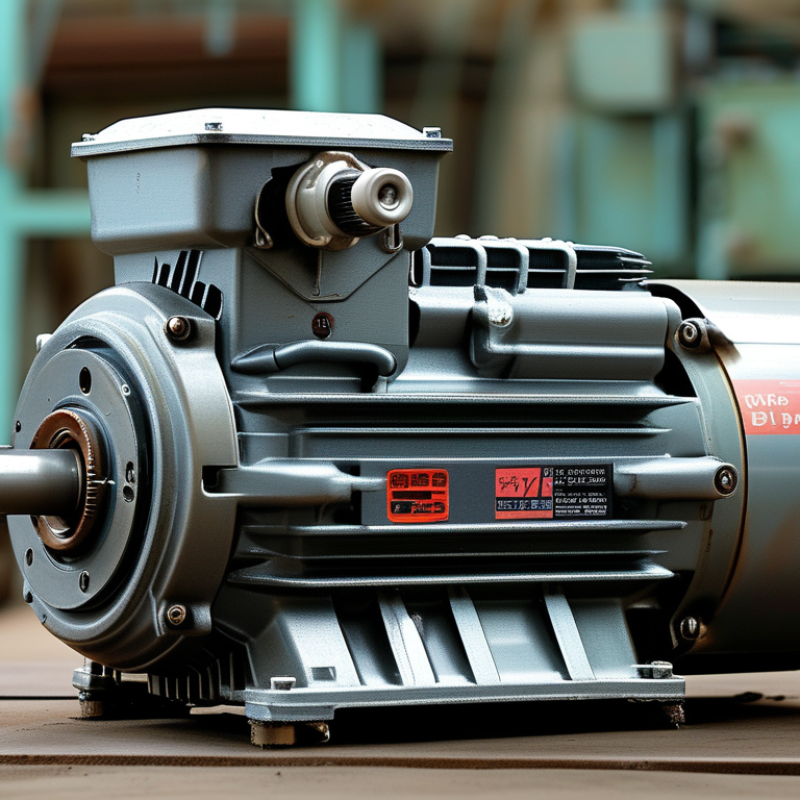
How Long Does an Electric Motor Last in Different Applications?

Factors Affecting Electric Motor Lifespan Across Applications

Electric motors are crucial in various applications, but their lifespan can vary greatly. Several factors significantly influence how long they last. The quality of materials used in manufacturing, operating conditions, and maintenance practices are key components. A report from the Electric Power Research Institute indicates that motors can last anywhere from 10,000 to 100,000 hours, depending on these factors.

Operating environment plays a vital role. For example, motors in dusty or moist environments typically have shorter lifespans. Data shows that motors exposed to extreme temperatures may fail 50% sooner than those in moderate conditions. Regular maintenance can extend motor life. Lubrication, proper alignment, and cleaning reduce wear.

Tip: Invest in high-quality motors and conduct regular inspections. Keep an eye on vibrations and noise, as they can indicate underlying issues. Remember, even the best motors require care and attention. Ignoring these factors may lead to premature failure and higher replacement costs. Ultimately, understanding the nuances of motor lifespan is crucial for enhancing performance and reliability in applications.

Typical Lifespan of Electric Motors in Residential Settings

Electric motors play a crucial role in many residential applications. They are commonly found in appliances like refrigerators, washing machines, and HVAC systems. The typical lifespan of these motors can vary. Generally, a well-maintained electric motor lasts between 10 to 15 years in home settings.

However, several factors can influence this lifespan. Regular use can wear down the components quicker. For instance, a motor used in a frequently running air conditioning unit may experience more stress. Dust and moisture can also lead to issues. Proper ventilation and routine maintenance are essential. Neglecting these factors may shorten the lifespan significantly.

Understanding these variables is vital for homeowners. Knowing when to replace a motor can save time and money. A motor that begins to show irregularities, like unusual noises or overheating, needs immediate attention. Delaying repairs can lead to more significant problems. Recognizing these early signs can help ensure a longer lifespan for your electric motors.

Longevity of Electric Motors in Residential Applications

Industrial Applications: Durability of Electric Motors in Manufacturing

Electric motors are crucial in various industrial applications. They power machinery and equipment, enabling factories to operate efficiently. The lifespan of these motors can vary widely. Factors impacting durability include load conditions, operating environment, and maintenance practices.

In manufacturing, electric motors often work under heavy loads and harsh conditions. For instance, motors in assembly lines or conveyor systems face constant stress. Dust, moisture, and temperature fluctuations can also affect their performance. Regular inspections and preventive measures are essential. Neglecting routine maintenance can lead to unexpected failures.

Many industrial motors last between 10 and 20 years. However, some may need replacement sooner. Understanding when to replace a motor is not straightforward. Performance degradation can be gradual. Users must monitor efficiency and vibration levels to decide. Reflection on these aspects can significantly improve operational reliability.

Performance and Longevity of Electric Motors in Electric Vehicles

Electric motors play a crucial role in the performance of electric vehicles (EVs). Their lifespan often varies based on the application. Typically, electric motors in EVs last longer than those in industrial settings, sometimes exceeding 10 to 15 years with proper maintenance. The materials used and the construction method impact durability.

However, battery usage and charging cycles can affect motor longevity. Frequent rapid charging may lead to overheating, potentially damaging the motor. Without sufficient cooling systems, motor efficiency can decrease over time. Regular inspections are essential to detect any early signs of wear.

**Tips:** Make sure to service your electric motor regularly. Check for unusual noises or vibrations. Additionally, using quality components in the assembly can enhance the motor's lifespan. Always keep an eye on connection points to prevent corrosion.

Maintenance Practices to Extend Electric Motor Life in Various Uses

Proper maintenance is crucial for extending the life of electric motors in various applications. Regular inspections help identify potential issues early on. Checking for unusual vibrations or noise can prevent bigger problems later. In addition, keeping areas around the motor clean reduces dust accumulation, which can lead to overheating.

Lubrication is essential for moving parts. However, it's important to use the right type and amount. Over-lubricating can attract dirt, while under-lubricating increases wear. Monitoring temperature is another key practice. Motors typically operate best within specified temperature ranges. If overheating occurs, it may signal electrical imbalances or insufficient airflow.

Some applications require specific considerations. For instance, motors in harsh environments deserve extra protection. Sealed enclosures can prevent dust and moisture infiltration. Additionally, load management is vital. Running a motor beyond its capacity can lead to premature failure. Understanding the unique demands of each application can lead to better performance and lifespan.

How Long Does an Electric Motor Last in Different Applications? - Maintenance Practices to Extend Electric Motor Life in Various Uses

Application Average Lifespan (Years) Common Issues Maintenance Practices
Industrial Machinery 10-15 Overheating, Vibration Regular lubrication, Vibration monitoring
HVAC Systems 10-15 Dust buildup, Electrical failure Filter cleaning, Voltage checks
Pumps 15-20 Seal failure, Cavitation Regular inspection, Seal replacement
Electric Vehicles 8-15 Battery degradation, Overheating Temperature monitoring, Cooling system maintenance
Home Appliances 5-10 Wear and tear, Obstruction Regular cleaning, Part replacements

FAQS

: What is the average lifespan of electric motors in industrial applications?

: Electric motors typically last between 10 and 20 years in industrial settings.

What factors affect the durability of electric motors?

Load conditions, operating environment, and maintenance practices impact their durability significantly.

How can neglecting maintenance affect electric motors?

Neglecting routine maintenance can lead to unexpected failures and shorter motor lifespan.

How does the lifespan of electric motors in electric vehicles compare to industrial motors?

Electric motors in EVs often last longer, sometimes exceeding 10 to 15 years with proper maintenance.

What role does battery usage play in motor longevity?

Frequent rapid charging may cause overheating, potentially damaging the motor and reducing its lifespan.

What maintenance practices can help extend an electric motor's lifespan?

Regular inspections, proper lubrication, and monitoring temperature are essential for extending lifespan.

Why is monitoring vibrations important for electric motors?

Checking for unusual vibrations can help identify potential issues early and prevent bigger problems.

What should you consider for motors in harsh environments?

Motors in harsh conditions require extra protection, such as sealed enclosures to prevent dust and moisture damage.

How does load management impact electric motor performance?

Running a motor beyond its capacity can lead to premature failure and decreased performance.

What is the consequence of improper lubrication?

Over-lubricating can attract dirt, while under-lubricating increases wear and shortens the motor's lifespan.

Conclusion

The lifespan of an electric motor varies significantly depending on its application and maintenance practices. Understanding "how long does an electric motor last" requires considering various factors, including operational environment, load conditions, and usage frequency. In residential settings, electric motors generally have a lifespan ranging from 10 to 15 years, while industrial applications may see motors last longer due to robust designs tailored for high-demand situations.

In electric vehicles, the performance and longevity of electric motors are critical, as they are subjected to dynamic usage patterns. Regular maintenance such as lubrication, monitoring temperature, and inspecting electrical connections can significantly extend the life of electric motors across all applications, highlighting the importance of proactive care in achieving optimal operation and longevity.

Madeline

Madeline

Madeline is a dedicated marketing professional with a wealth of expertise in our company's core offerings. With a keen understanding of the industry, she brings a unique perspective to her role, consistently delivering high-quality content that highlights the superior aspects of our products. As......