Electric motors are fundamental to modern technology. They play a crucial role in industries, appliances, and electric vehicles. According to the International Energy Agency, electric motors account for about 45% of the world's electricity consumption. Understanding how does an electric motor convert electrical energy into motion is vital for energy efficiency and sustainable development.
Dr. Emily Carter, an expert in electrical engineering, emphasizes, "Electric motors are the heartbeat of energy efficiency." Her insights highlight the need for innovation in motor design to reduce energy waste. The principle centers on electromagnetic interactions. When electric current flows through coils, it generates a magnetic field. This magnetic field interacts with magnets, creating motion.
Despite advances, the industry faces challenges. Efficiency varies among motor types, and many existing motors waste energy. Researchers are exploring new materials and configurations to improve performance. The evolution of electric motors is essential for minimizing energy use. A deeper understanding of this process can drive advancements in technology and conservation efforts.
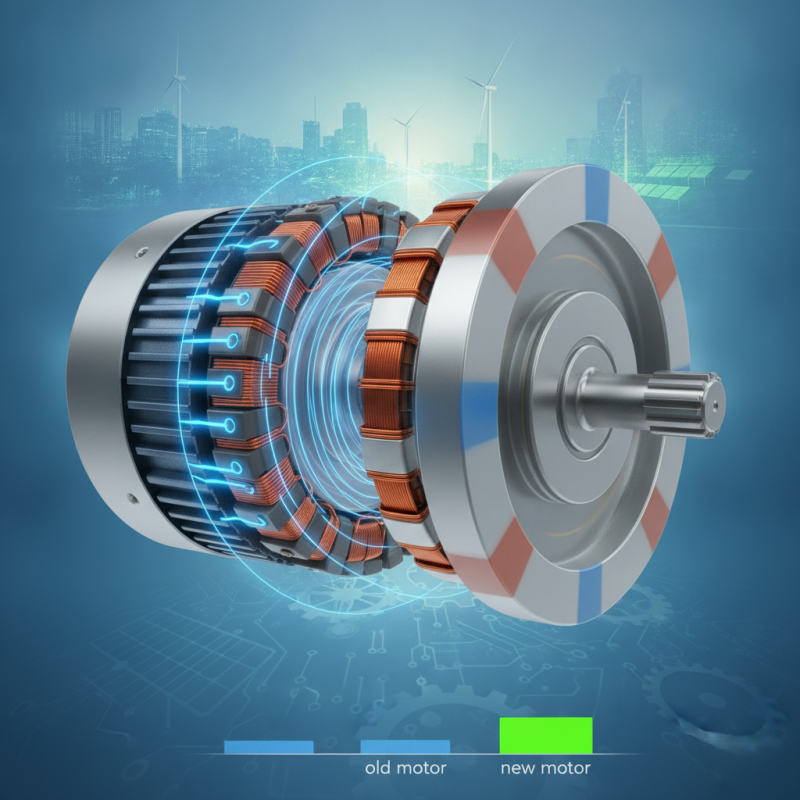
Understanding the Basic Principles of Electric Motors and Motion
Electric motors are fascinating devices. They convert electrical energy into mechanical motion. Understanding how they work is crucial for both engineers and enthusiasts.
An electric motor operates on the principle of electromagnetism. When electricity flows through a coil, it generates a magnetic field. This field interacts with permanent magnets in the motor. Such interactions create rotational movement. Small details matter here. For example, the size and arrangement of the coils affect efficiency. However, not all designs are successful. Some may lack power or have too much friction.
Another important aspect is the rotor and stator. The rotor spins while the stator remains stationary. The materials used can impact performance. A lightweight rotor may spin faster but could lack durability. On the other hand, a heavier rotor may ensure stability but at the cost of speed. There’s always a balance to find. Engineers continually refine designs. Each iteration offers lessons. Understanding these basic principles allows for better designs and innovations in motion technology.
Key Components of Electric Motors: From Windings to Magnets
Electric motors are fascinating devices that transform electrical energy into mechanical motion. At the heart of every electric motor lies key components like windings and magnets. These parts work together to create movement in a seamless manner.
The windings, typically made from copper wire, are essential for creating a magnetic field when electricity flows through them. This magnetic field interacts with permanent magnets or electromagnets in the motor. The interaction produces torque, causing the rotor to turn. Understanding this relationship is crucial, yet many overlook how precision in winding and material affects performance and efficiency.
Tips: Ensure proper winding techniques. Small adjustments can lead to better efficiency. Regular maintenance is also vital. Check the position of the magnets and the condition of the windings. A simple inspection can prevent issues.
The magnets can be either permanent or electromagnets, each affecting the motor's functionality differently. Permanent magnets provide consistent performance, while electromagnets offer variable strength. However, not all designs achieve optimal efficiency. Some configurations may require complex recalibrations. It's important to reflect on design choices to enhance
motor performance.
Tips: Balance between magnets and windings matters. Experiment with different arrangements. Sometimes a slight change yields significant results.
The Role of Electromagnetism in Generating Motion in Motors
Electric motors are fascinating devices that transform electrical energy into mechanical motion. At the heart of this transformation lies the principle of electromagnetism. When electric current flows through a coil of wire in the motor, it generates a magnetic field. This interaction between electric currents and magnetic fields is what drives the motion of the motor.
Electromagnets play a critical role in this process. As the current changes direction, the magnetic field also shifts. This creates a force that pushes against magnets or coils within the motor. The constant pulling and pushing generates rotational motion. It’s quite remarkable how magnets can enable motion with just mere electricity. However, not every motor operates perfectly. Variations in current or material quality can lead to inefficiencies or overheating.
Understanding the interplay of electromagnetism in motors can be complex. It shows both the power and the limitations of this technology. Despite advancements, achieving maximum efficiency remains a challenge. Engineers and scientists continuously strive to improve motor performance. They analyze how energy losses occur in magnetic fields. Every detail matters in the quest for better energy conversion.
Efficiency Metrics: How Electric Motors Convert Energy to Mechanical Power
Electric motors are fascinating machines that convert electrical energy into mechanical power. Their efficiency can significantly impact overall energy consumption. This efficiency is often measured by how well the motor uses electrical input to produce motion. Losses typically occur through heat and friction, affecting performance.
The most common types of electric motors include AC and DC motors, each with unique efficiency metrics. AC motors usually have a higher efficiency rating, particularly in larger applications. DC motors are often easy to control but may not be as efficient in continuous operation. Understanding these differences is essential for selecting the right motor for an application.
Despite advancements, improving electric motor efficiency remains a challenge. Many motors experience significant energy losses. This can relate to design flaws and the quality of materials used. Manufacturers are always looking to enhance motor design to reduce these losses and improve overall efficiency. Continuous research in this field is necessary to achieve better performance and sustainability in electric motor applications.
Applications of Electric Motors Across Various Industries and Technologies
Electric motors play a crucial role in various industries, converting electrical energy into mechanical energy. The global electric motor market was valued at approximately $121 billion in 2020 and is anticipated to reach $182 billion by 2026, growing at a CAGR of about 7.1%. This rapid growth highlights the increasing reliance on electric motors in manufacturing, automotive, and aerospace sectors.
In the manufacturing industry, electric motors are essential for operations like conveyor belts, pumps, and compressors. According to a report from the International Energy Agency, electric motors account for nearly 45% of global electricity consumption in the industrial sector. This statistic raises concerns about energy efficiency and sustainability, prompting advancements in motor design and technology. Many manufacturers are now shifting towards high-efficiency motors to reduce operational costs and environmental impacts.
The automotive sector also heavily depends on electric motors, especially with the rise of electric vehicles (EVs). In 2021, EV sales accounted for nearly 9% of all global car sales, a significant jump from previous years. As the demand for EVs grows, so does the need for more efficient and powerful electric motors. Despite these advancements, challenges remain. Some manufacturers struggle to keep up with rapid technological changes. The need for better infrastructure and support systems is evident as well.
FAQS
: Electric motors convert electrical energy into mechanical motion. This is vital for various applications.
It operates on electromagnetism. A coil generates a magnetic field when electricity flows through it.
Factors include coil size and arrangement. Design flaws can lead to friction and power loss.
AC motors generally have higher efficiency, especially in larger applications. DC motors are easier to control but less efficient long-term.
Higher efficiency reduces energy consumption. This is crucial for sustainability and operational costs.
Many motors experience energy losses. Design flaws and material quality often hinder performance improvements.
They are essential in sectors like manufacturing and automotive. They account for significant electricity usage in these industries.
The rise of electric vehicles is increasing the need for efficient electric motors to meet growing demand.
Continuous research is essential for improving designs. Innovations help enhance performance and sustainability.
While they spin faster, they may lack durability. Finding the right balance is a recurring challenge.
Conclusion
Electric motors are essential devices that transform electrical energy into mechanical motion, and understanding how does an electric motor convert electrical energy into motion involves grasping several fundamental principles. Firstly, the interaction between key components such as windings and magnets creates electromagnetic fields, which are critical for generating force within the motor. Electromagnetism plays a vital role in this process, enabling the conversion of electrical input into rotational or linear movement.
Efficiency is another important metric in assessing how well electric motors perform this transformation. Various applications across industries, including automotive, manufacturing, and consumer electronics, highlight the versatility of electric motors in enabling technology through motion. By analyzing the mechanics and principles behind electric motors, we can appreciate their impact on modern innovation and energy efficiency.

 RedCat Motors