Top 10 Ways Electric Motors Enhance Industrial Automation Efficiency?

Time:2026-07-30 Author:Madeline
0%

Electric motors play a crucial role in enhancing industrial automation efficiency. These devices power machinery and equipment, enabling seamless production processes. But how do electric motors support industrial automation? They provide precise control, consistent performance, and energy efficiency. This results in reduced downtime and increased productivity.

Consider a manufacturing plant where electric motors drive assembly lines. These motors can ramp up speeds or slow down when needed, ensuring optimal output. Additionally, they contribute to a smaller carbon footprint. Businesses recognize that integrating advanced motor technologies can be both a challenge and an opportunity. It's vital to select the right motors for specific applications, as choosing suboptimal options may lead to inefficiencies.

Ultimately, understanding the potential of electric motors is key for companies aiming to thrive in competitive markets. Their impact is profound, yet it requires continuous evaluation and improvement. A thoughtful approach can unlock significant advantages in automation processes.
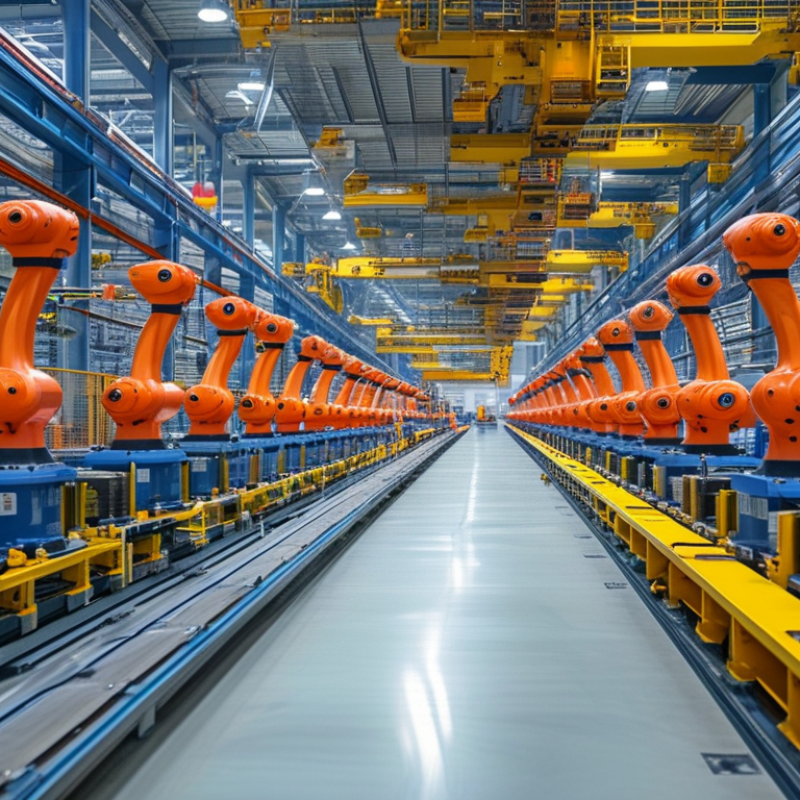
Top 10 Ways Electric Motors Enhance Industrial Automation Efficiency?

The Role of Electric Motors in Modern Industrial Automation

Electric motors play a pivotal role in modern industrial automation. Their efficiency and reliability boost productivity across various sectors. According to a report by the International Energy Agency (IEA), electric motors account for nearly 45% of global electricity consumption in the industrial sector. This indicates a significant reliance on motor technology.

Using advanced electric motors can lead to energy savings of up to 30% in many applications. This improvement reduces operational costs and minimizes carbon footprints. However, many facilities still rely on outdated motor systems. This reliance can hinder potential gains in efficiency and sustainability.

Moreover, the flexibility of electric motors allows for a range of applications. From conveyor belts to robotic arms, motors enable precise control over industrial processes. According to a study by the Electric Power Research Institute (EPRI), integrating smarter motors into systems can enhance maintenance schedules. However, the transition to modern systems can be slow. Organizations often hesitate to invest in new technologies. This reluctance can stall overall improvement in automation efficiency.

Top 10 Ways Electric Motors Enhance Industrial Automation Efficiency

Enhancement Method Description Efficiency Gain (%)
Precision Control Electric motors provide precise speed and torque control, improving the accuracy of machinery operations. 15%
Energy Efficiency Optimized electric motors consume less energy compared to older models, reducing operational costs. 20%
Reduced Maintenance Electric motors generally require less maintenance than mechanical alternatives, decreasing downtime. 25%
Compact Design The smaller footprint of electric motors allows for more compact machinery, maximizing floor space. 10%
Faster Start-up Electric motors can achieve operational speeds quickly, improving overall process efficiency. 30%
Enhanced Safety Electric motors reduce risks associated with mechanical failures, promoting a safer working environment. 12%
Scalability Easily adjustable power output allows industries to scale operations without major overhauls. 18%
Versatility Electric motors can be adapted for various applications, enhancing process flexibility. 22%
Integration with IoT Electric motors can be easily integrated with IoT systems for real-time monitoring and control. 5%
Emissions Reduction Electric motors produce fewer emissions compared to combustion engines, supporting sustainability efforts. 40%

Improving Precision and Accuracy with Electric Motors

Electric motors play a crucial role in enhancing precision and accuracy in industrial automation. By converting electrical energy into mechanical motion, these motors can achieve precise control over speed and torque. According to a study by the International Electrotechnical Commission, industries that implement electric motors see a 20-30% improvement in production accuracy. This is vital in sectors like manufacturing, where even small deviations can lead to significant losses.

Precision is often tied to feedback control systems. Electric motors integrate well with sensors, allowing continuous monitoring and adjustments in real-time. A recent report from the Society of Manufacturing Engineers highlights that facilities using electric motor-driven systems reduce error rates by up to 15%. This means less waste and higher quality products.

Tips for optimizing motor efficiency include regular maintenance checks. Keeping machinery clean prevents dust from affecting performance. Also, ensure that all systems are calibrated frequently. Minor adjustments can lead to major efficiency gains.

Investing in high-quality motors can be beneficial. However, installing them correctly is equally important. Misaligned motors can lead to increased wear and tear. It's a reminder that precision is not only about the motor itself but also about the entire system's integrity.

Top 10 Ways Electric Motors Enhance Industrial Automation Efficiency

This chart illustrates the percentage improvements in efficiency achieved by using electric motors in various aspects of industrial automation. The data showcases the enhancements in precision and accuracy across different applications.

Enhancing Productivity through Increased Speed and Efficiency

Electric motors are transforming industrial automation. Their speed and efficiency drive production rates to new heights. Many factories now rely on electric motors to streamline operations. This shift drastically reduces downtime, leading to faster workflows. When machines operate more quickly, the entire system benefits. However, it's vital to regularly assess motor performance to maintain this efficiency.

Efficiency can vary based on application. Not all electric motors are created equal. Some may not meet the specific needs of a facility. The right motor can greatly enhance output and reduce energy consumption. Yet, companies often overlook this crucial step. Choosing the appropriate motor requires expert knowledge. It’s important to conduct thorough evaluations.

Moreover, integrating electric motors can pose challenges. Maintenance routines must adapt to new technologies. Workers need training to handle advanced systems. Any oversight can lead to inefficiencies. Despite potential hurdles, the benefits are substantial. Increased productivity can lead to significant cost savings over time. As industry evolves, businesses must reflect on their motor choices. This reflection ensures optimal performance and ongoing improvement.

Reducing Energy Consumption and Operational Costs

Electric motors are pivotal in advancing industrial automation. They have a significant impact on energy consumption. By converting electrical energy to mechanical energy, electric motors operate efficiently. This efficiency translates directly into reduced operational costs for manufacturers.

In many cases, older systems consume excessive energy, leading to wasted resources. Upgrading to modern electric motors can mitigate this issue. They often employ advanced control systems for better energy management. Monitoring features help identify areas for improvement.

However, the transition isn't always smooth. Some facilities may face initial resistance due to costs of new installations. Training staff to operate new systems effectively can also be a hurdle. Despite these challenges, the long-term benefits outweigh the initial investments. Enhanced efficiency can lead to significant savings over time. Increased productivity can also boost overall profitability.

Facilitating Integration with Smart Technologies and IoT

Electric motors are at the forefront of transforming industrial automation. By integrating with smart technologies and IoT, they enhance operational efficiency significantly. This integration allows real-time monitoring and data-driven decision-making. Systems utilizing electric motors can adapt to fluctuating demands swiftly, resulting in optimized workflows.

Deploying sensors on electric motors provides actionable insights. These sensors can track performance metrics and detect anomalies before they escalate. With the right data, operators can improve maintenance schedules and reduce unplanned downtimes. When machines communicate with each other, tasks become synchronized, reducing waste and enhancing productivity.

However, integrating these technologies demands careful planning. Not every approach works for every facility. Assess your existing infrastructure and capabilities. Evaluate how well new solutions can coexist with legacy systems. As businesses evolve, ensuring compatibility becomes crucial. A well-thought-out strategy can yield significant rewards in efficiency and savings.

FAQS

: What impact do electric motors have on industrial automation?

: Electric motors significantly enhance speed and efficiency, improving production rates and reducing downtime.

Why is it important to assess motor performance?

Regular assessments help maintain efficiency and ensure that motors meet specific operational needs.

Can all electric motors meet the requirements of every facility?

No, not all electric motors are suitable. Choosing the right one is crucial for optimal output and energy reduction.

What challenges arise when integrating electric motors into existing systems?

Integration can require new maintenance routines and worker training, which may present initial obstacles.

How do modern electric motors reduce energy consumption?

They utilize advanced control systems and monitoring features that improve energy management and identify inefficiencies.

What should companies consider to enhance productivity?

Businesses need to reflect on their motor choices and ensure they align with current operational requirements.

What are the long-term benefits of upgrading to modern electric motors?

Enhanced efficiency can lead to lower operational costs and increased profitability over time.

How can outdated systems affect energy consumption?

Older systems often waste energy, leading to higher costs and resource inefficiencies that can be mitigated through upgrades.

What is a common barrier to adopting new electric motors?

Initial costs and resistance from staff can hinder the transition to more efficient systems.

Why might companies overlook the importance of selecting the right motor?

There may be a lack of expert knowledge, which can lead to inefficiencies and suboptimal operations.

Conclusion

Electric motors play a pivotal role in enhancing industrial automation efficiency by providing precise control over various processes. They improve precision and accuracy, which are essential for consistent product quality. By enabling faster operation speeds, electric motors significantly boost productivity, allowing industries to meet higher demands with greater efficiency. Moreover, their design contributes to reducing energy consumption and operational costs, making them a cost-effective solution for manufacturers.

How do electric motors support industrial automation? They facilitate seamless integration with smart technologies and the Internet of Things (IoT), enabling real-time monitoring and control of manufacturing environments. This integration not only enhances process optimization but also promotes adaptive responses to varying operational conditions. Overall, electric motors are indispensable in modern industrial systems, driving advancements in automation and efficiency.

Madeline

Madeline

Madeline is a dedicated marketing professional with a wealth of expertise in our company's core offerings. With a keen understanding of the industry, she brings a unique perspective to her role, consistently delivering high-quality content that highlights the superior aspects of our products. As......