In recent years, the focus on renewable energy systems has grown significantly. Electric motors are central to this evolution. They are not just components; they are key enablers in technologies ranging from wind turbines to electric vehicles. Expert Dr. Sarah Thompson, a leading authority in the field, notes, "What role do electric motors play in renewable energy systems? They are the heartbeat that makes everything work together."
The integration of electric motors in these systems promotes efficiency. For instance, in wind energy, motors convert rotational energy into electricity. They also play a vital part in solar applications, enhancing energy storage and management. Yet, challenges remain. The performance of these motors can vary widely. Efficiency losses can occur during energy conversion.
These factors raise critical questions about sustainability and reliability. Is the technology mature enough? Are we ready for widespread adoption? Understanding the role of electric motors is crucial as we pave the way for a greener future.
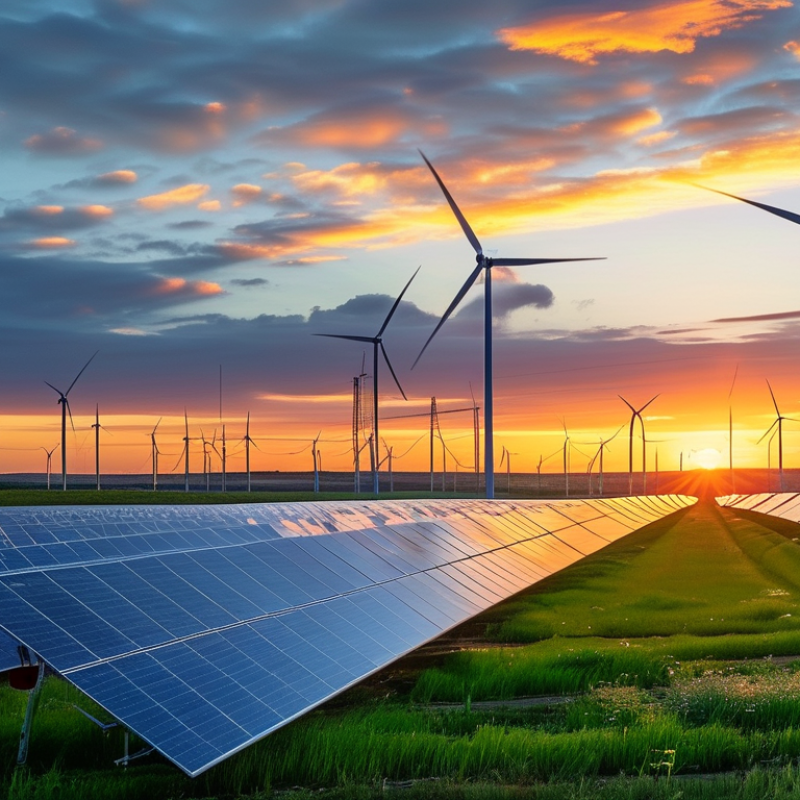
Overview of Electric Motors in Renewable Energy Systems
Electric motors are essential components in many renewable energy systems. They convert electrical energy into mechanical energy, enabling various applications such as wind and solar power generation. In wind turbines, for example, electric motors play a crucial role in adjusting the blade's pitch for optimal performance. This process enhances efficiency and energy capture, making wind energy more viable.
In solar energy systems, electric motors drive tracking systems that follow the sun's path. This tracking can improve solar panel efficiency significantly. However, not all electric motors are created equal. The choice of motor type impacts the overall efficiency and reliability of the system. It’s vital to ensure that the selected motors are durable and efficient, especially in challenging environments.
Despite their importance, challenges exist. Electric motors can face issues like overheating or wear over time. These factors can affect performance and lifespan. Regular maintenance and monitoring are crucial to address these issues. Implementing better designs and materials can help mitigate potential problems, ensuring that electric motors contribute effectively to renewable energy systems.
Types of Electric Motors Used in Renewable Energy Applications
Electric motors play a significant role in renewable energy systems. Different types of electric motors are used to convert electricity into mechanical energy. Common types include induction motors, synchronous motors, and permanent magnet motors. Each type has its specific benefits and challenges.
Induction motors are widely used in wind turbines. They are rugged and can handle variable speeds well. However, they often require complex control systems. Synchronous motors, on the other hand, are more efficient at higher speeds. They work best in applications like hydroelectric power plants. This efficiency can lead to higher initial costs that may deter some users.
Permanent magnet motors are compact and have a high power-to-weight ratio. This makes them suitable for solar energy applications where space is limited. Their higher costs are a consideration, but their performance often justifies the investment. While all these motor types contribute to renewable energy, understanding their limitations is crucial. Every choice involves trade-offs.
The Role of Electric Motors in Wind Energy Conversion
Electric motors play a crucial role in wind energy conversion systems. They are integral to the operation of wind turbines, converting kinetic energy from wind into electrical power. According to a report by the Global Wind Energy Council, over 90% of modern wind turbines rely on electric motors for this process. The efficiency of these motors can deeply impact a wind farm's overall energy output.
The design and performance of electric motors directly influence the reliability of wind turbines. Studies indicate that advancements in motor technology can enhance efficiency by up to 15%. Yet, there are challenges. Poor motor quality can lead to frequent repairs and downtime. This not only affects energy production but also increases operational costs. A focus on robust designs is essential for sustained performance.
Moreover, the environmental footprint of manufacturing electric motors cannot be ignored. The processes often involve materials that may not be recyclable. As the industry pushes for greener solutions, it must balance performance and sustainability. The need for innovative materials and designs is pressing. Reducing waste and improving recyclability will be key to the future of electric motors in renewable energy systems.
Electric Motors in Solar Energy Systems: Efficiency and Applications
Electric motors play a significant role in solar energy systems, enhancing their efficiency and expanding their applications. According to a report by the International Energy Agency, electric motors consume around 45% of global electricity. Their efficiency drives renewable energy adoption. In solar systems, motors can control various applications, including tracking mechanisms and cooling systems. The implementation of these motors can lead to up to a 30% increase in energy capture.
However, challenges remain. The integration of motors in solar energy systems requires careful planning. For instance, the reliability of motor components under harsh environmental conditions is often questioned. Furthermore, while motors improve efficiency, they also introduce complexity. Optimization of solar panel layouts and motor configurations is vital to maximize performance while minimizing costs. Data shows that, without proper integration, the expected efficiency gains may not be realized.
Moreover, advancements in technology are ongoing. The evolution of high-efficiency motors promises lower energy consumption and better performance. It's crucial to monitor these developments. Companies and researchers need to address the issues related to motor durability and efficiency in diverse climates. This ensures that electric motors can contribute meaningfully to the sustainability of solar energy systems.
Future Trends: Innovations in Electric Motors for Renewable Integration
Electric motors play a crucial role in renewable energy systems. As we integrate more solar and wind energy, innovations in electric motors are transforming these systems. According to a report by the International Energy Agency, electric motors account for nearly 45% of global electricity consumption. This indicates a growing need for efficient motor designs to support renewable sources.
Future trends focus on advanced materials and new technologies to enhance motor efficiency. Research shows that using lightweight composite materials can reduce energy losses significantly. Improved rotor designs are also expected to provide better torque without increasing power consumption. These innovations could lead to motors that are 20% more efficient by 2030.
Consider the environment during motor selection. Choose models with a high efficiency rating. Collaboration with renewable energy providers can also ensure that motor specifications align with sustainability goals. Stay informed about emerging trends to leverage motor technology effectively in your systems.
FAQS
: Electric motors convert electrical energy into mechanical energy, crucial for applications like wind and solar power generation.
They adjust the blade's pitch for optimal energy capture, enhancing efficiency significantly in wind energy systems.
Electric motors may overheat or wear out over time, affecting performance and lifespan. Regular maintenance is essential.
The motor type impacts efficiency and reliability. Durable and efficient motors are vital in challenging environments.
They complicate the integration due to reliability concerns in harsh conditions and require careful planning for optimization.
Poor motor quality can lead to repairs and downtime, increasing operational costs and affecting energy production significantly.
High-efficiency motors are evolving, promising lower energy consumption and better performance, which is promising but needs monitoring.
The materials used may not be recyclable, raising issues about sustainability and the need for greener manufacturing processes.
Electric motors consume around 45% of global electricity, making their efficiency critical for renewable energy adoption.
Without proper integration, the expected efficiency gains from motors may not be realized, affecting overall system performance.
Conclusion
Electric motors play a crucial role in renewable energy systems, serving as the backbone for various applications across wind and solar energy. An overview of electric motors in renewable energy reveals their versatility and efficiency. There are several types of electric motors, each with specific applications tailored to optimize energy conversion. For instance, in wind energy conversion, electric motors are integral for converting kinetic energy from wind into electrical energy, facilitating the transition to a more sustainable energy landscape. Similarly, in solar energy systems, these motors enhance efficiency by managing the energy flow and optimizing performance.
Looking forward, innovations in electric motors are set to further improve their integration into renewable energy frameworks. As we explore what role do electric motors play in renewable energy systems, it's clear that advancements in technology will continue to drive the effectiveness and sustainability of these systems, ensuring a greener future.

 RedCat Motors