When considering machinery and technology, the choice between electric and hydraulic drive systems is critical. Understanding what is the difference between electric and hydraulic drive systems will help in making informed decisions. Both types have their strengths and weaknesses, and their application can greatly influence efficiency and performance.
Electric drive systems use electric motors for operation. They offer precise control and smoother performance. They are generally more efficient and environmentally friendly. However, they may fall short in providing high torque at low speeds. On the other hand, hydraulic systems rely on fluid power. They can handle heavier loads and provide significant force. But they often require more maintenance and can be less efficient.
The choice isn't always clear-cut. Each system presents unique challenges and benefits. Electric systems excel in applications where precision is vital. Hydraulic systems dominate in heavy-duty tasks. Understanding these key differences is essential for engineers and decision-makers alike. Analyzing the specifics can lead to better choices in technology applications, enhancing both performance and reliability.
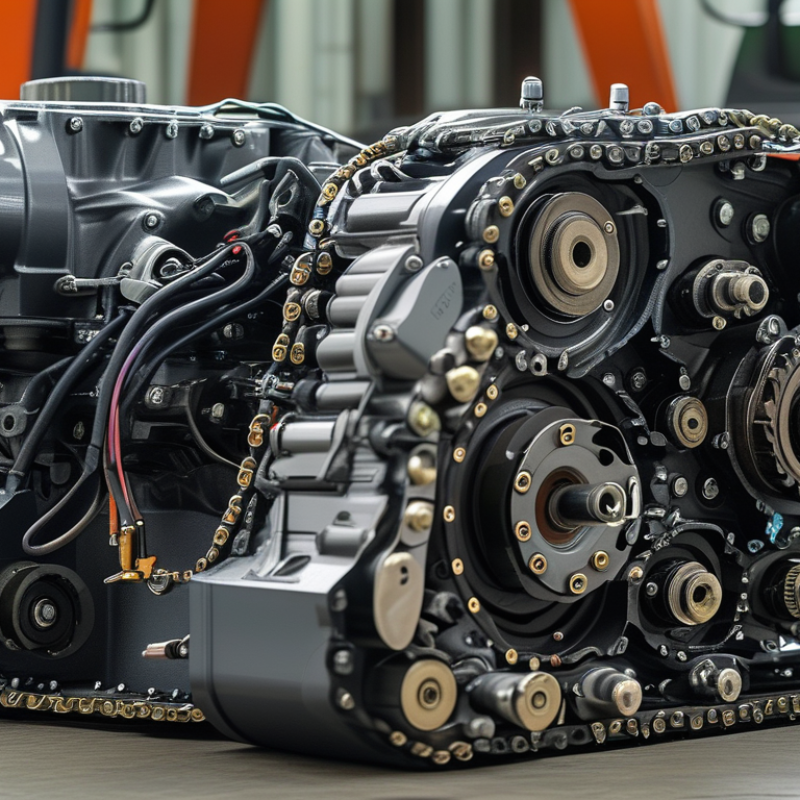
Key Differences in Power Source: Electric vs Hydraulic Systems
Electric and hydraulic drive systems represent two distinct power solutions in industrial applications.
Electric systems rely on electric motors, while hydraulic systems use fluid under pressure. According to a report by the International Energy Agency (IEA), electric drives can be up to 92% efficient. This efficiency not only reduces energy consumption but also leads to lower operational costs over time.
Hydraulic systems, on the other hand, are praised for their high power density. They can produce significant force in compact designs. However, hydraulic systems are less efficient, with average efficiencies around 70%. This may lead to higher energy losses in applications requiring constant operation. Furthermore, hydraulic fluids can pose environmental risks, including potential leaks and contamination, contradicting industry sustainability goals.
In practice, the choice between electric and hydraulic systems depends largely on specific application requirements. Electric drives often excel in precision tasks where energy efficiency is critical. Hydraulic systems thrive in heavy-duty applications, such as lifting and transporting heavy loads.
Ultimately, understanding the nuances of these systems helps engineers optimize performance while considering sustainability and environmental impact.
Efficiency Comparison: Energy Usage in Electric and Hydraulic Drives
Electric and hydraulic drive systems are fundamental in various industrial applications. When we analyze efficiency, electric drives often stand out, consuming about 30-50% less energy compared to hydraulic systems in similar applications. This significant difference is crucial for companies aiming to reduce operational costs and environmental impact. Research indicates that electric drives utilize energy with about 90% efficiency, whereas hydraulic systems typically operate at around 70-80% efficiency. This difference highlights the importance of considering energy efficiency in drive system selection.
However, one must also consider other factors. Hydraulic systems can handle high torque and heavy loads more effectively. In scenarios demanding precise control and rapid response, hydraulic systems can sometimes excel, despite their higher energy usage. Each system comes with its own strengths and challenges. For instance, electric drives may produce less heat, contributing to energy efficiency. Yet, hydraulic systems may not face the same degree of energy waste under certain conditions. Evaluating both systems requires a nuanced understanding of application needs and energy profiles. This complexity underscores the necessity of informed decision-making based on specific operational contexts.
Response Time: Speed and Agility in Electric vs Hydraulic Systems
Electric and hydraulic drive systems exhibit significant differences in response times, impacting their performance across various applications. Electric systems excel in speed and agility, offering quick acceleration due to direct control of electric motors. According to a report by the International Energy Agency, electric drive systems can achieve a response time of less than 100 milliseconds. This is crucial in sectors like robotics and automation, where precision and rapid movements are essential.
On the other hand, hydraulic systems often lag in response times due to mechanical delays. They depend on fluid movement, which can slow their action. This system might have a response time ranging from 200 to 500 milliseconds. While hydraulic systems provide superior force in heavy lifting applications, their slower agility makes them less suitable for tasks needing rapid changes. This highlights a trade-off, as one must consider the specific application demands when choosing a drive system.
Furthermore, environmental factors can affect both systems. Electric systems might face performance issues in extreme temperatures, while hydraulic systems are prone to leaks and pressure drop. Each system's weaknesses underscore the necessity for careful consideration in design and application. Balancing speed with the required force capability remains a challenge. The decision should reflect a nuanced understanding of operational requirements and potential limitations.
Maintenance Requirements: Longevity and Care of Drive Systems
When comparing electric and hydraulic drive systems, maintenance is a vital aspect. The upkeep of these systems significantly impacts their performance and longevity. Electric systems typically require less frequent maintenance due to fewer moving parts. Studies indicate they can operate effectively for over 10,000 hours without major service. In contrast, hydraulic systems often demand more regular attention. They require fluid changes and seal replacements more often, leading to higher operating costs.
The care requirements for hydraulic drives can be complex. Leaks and contamination are common issues that can reduce efficiency. According to industry reports, nearly 20% of hydraulic system failures stem from inadequate maintenance. Regular inspections can extend the life of hydraulic systems. However, many operators overlook the importance of basic maintenance checks. This oversight can lead to increased downtime and costly repairs.
Electric drive systems, while simpler, are not maintenance-free. Cooling systems and electrical components may require occasional checks. Additionally, software updates are crucial for optimal performance, although their physical wear is less compared to hydraulics. Overall, understanding these differences helps operators decide which system best suits their maintenance capabilities and operational needs.
Cost Analysis: Initial Investment and Long-term Operational Costs
When choosing between electric and hydraulic drive systems, cost factors play a crucial role. Initial investment for electric systems can be higher. This includes components like batteries and electronic controls. However, electric systems generally offer lower long-term operational costs. They require less maintenance and have higher energy efficiency.
On the other hand, hydraulic systems typically have lower upfront costs. They consist of basic components, which can be less expensive. Yet, these systems may incur more frequent repair costs over time. Fluid leaks and pump replacements can add up quickly.
Tips: Consider your specific application needs. Sometimes, a higher initial cost leads to greater savings in the long run. Factor in the energy costs as well. Electric systems may save you money with consistent usage. Evaluate the lifetime expenses, not just the purchase price. Making a balanced choice can improve both performance and cost efficiency.
Electric vs Hydraulic Drive Systems: 5 Key Differences Explained
| Aspect |
Electric Drive System |
Hydraulic Drive System |
| Initial Investment |
Higher due to electric motors and controllers |
Lower, especially for simpler systems |
| Operational Costs |
Lower due to efficiency and minimal maintenance |
Higher due to fluid replacements and maintenance |
| Performance |
Excellent responsiveness and control |
Strong force and speed but with lag |
| Environmental Impact |
Minimal noise and no fluid leaks |
Noise and potential fluid pollution |
| Applications |
Ideal for precise positioning tasks |
Suitable for heavy-duty operations |
FAQS
: Electric systems use motors, while hydraulic systems use pressurized fluid.
Electric systems can reach 92% efficiency; hydraulic systems average around 70%.
Higher efficiency reduces energy costs and operational expenses over time.
They need less frequent maintenance and can run over 10,000 hours effectively.
They often have leaks and contamination, requiring regular inspections and fluid changes.
About 20% of failures come from poor maintenance, leading to downtime and repair costs.
Electric systems have higher initial costs but lower long-term operational costs.
They consist of basic components that are generally less expensive to purchase.
Look at lifetime expenses and energy costs, not just the initial purchase price.
Yes, cooling systems and electrical components need occasional checks and updates.
Conclusion
In the discussion of what is the difference between electric and hydraulic drive systems, several key aspects must be considered. Firstly, the power source distinctly sets them apart: electric systems rely on electric motors, whereas hydraulic systems utilize fluid pressure to generate movement. When it comes to efficiency, electric drives typically offer better energy usage, contributing to lower operational costs in the long run.
Additionally, response time plays a crucial role, with electric systems often demonstrating faster and more agile performance compared to their hydraulic counterparts. Maintenance is another significant factor; electric systems tend to require less frequent care, leading to enhanced longevity. Finally, a cost analysis reveals that while the initial investment for hydraulic systems might be higher, operational and maintenance costs can influence the total cost of ownership significantly over time. Understanding these differences is essential for selecting the appropriate drive system for various applications.

 RedCat Motors