Top 10 Tips to Extend the Service Life of Industrial Motors?

Time:2026-08-19 Author:Oliver
0%

Industrial motors are the beating heart of many production lines and operational processes. Understanding how to extend the service life of industrial motors is crucial for maintenance teams, engineers, and managers. Regular maintenance and strategic adjustments can lead to substantial cost savings and enhanced performance.

In manufacturing environments, motors work tirelessly under demanding conditions. They encounter various factors, such as temperature extremes and vibration. This wear and tear can reduce their lifespan, so proactive measures are essential. Consider adopting rigorous inspection schedules or investing in high-quality components. These practices not only improve reliability but also foster a culture of safety and efficiency.

While it seems straightforward, maintaining industrial motors can involve unexpected challenges. Teams need to prioritize consistent training to ensure all members comprehend best practices. Sometimes overlooked, even minor adjustments can lead to significant improvements in motor longevity. Fostering an open dialogue about common issues can help teams learn and adapt, ultimately leading to wiser decisions.
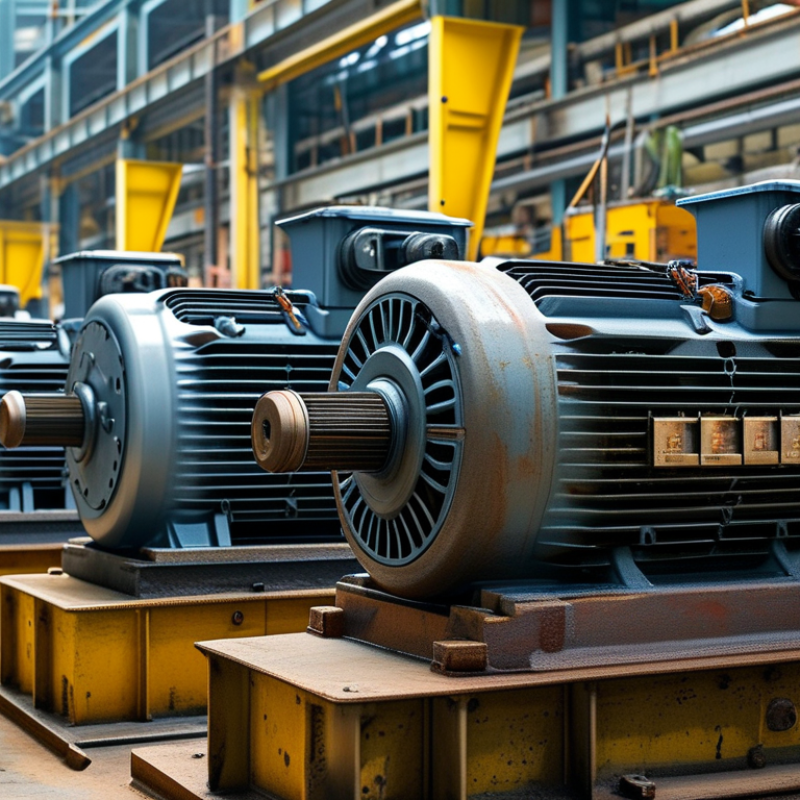
Top 10 Tips to Extend the Service Life of Industrial Motors?

Understanding the Importance of Industrial Motor Maintenance

Industrial motors are the backbone of manufacturing and production processes. Proper maintenance is crucial to ensure their longevity and efficiency. According to a report by the Motor & Equipment Manufacturers Association, routine motor maintenance can extend service life by 30% or more. Regular checks on bearings, lubrication, and electrical connections are essential. A well-maintained motor runs smoother and consumes less energy, contributing to lower operational costs.

Vibration analysis is another vital aspect of motor maintenance. Detecting abnormal vibrations early can prevent costly breakdowns. The American Society of Mechanical Engineers highlights that predictive maintenance can save up to 40% in repair costs. However, many facilities overlook this practice. Proper training for staff is necessary, as uninformed operators may miss critical issues. Simple cleaning and inspections can significantly enhance performance, yet they are often neglected.

Understanding the nuances of motor operation is key. Each motor type has specific maintenance needs. Ignoring these can lead to unanticipated failures. It's essential to foster a culture of continuous learning among maintenance teams. Investing in education ensures that staff remain aware of the best practices in motor care. This commitment to maintenance can dramatically improve service life and operational efficiency, enhancing overall productivity.

Regular Inspection and Monitoring for Early Issue Detection

Regular inspection and monitoring play a crucial role in extending the service life of industrial motors. Research by the Electric Power Research Institute reveals that regular checks can reduce unexpected failures by up to 30%. Early detection of issues such as misalignment, overheating, or lubrication problems is essential. These issues can lead to costly repairs and extended downtime. A routine monitoring protocol is key.

Implementing a vibration analysis can offer insights into motor performance. Data indicates that about 80% of motor failures stem from mechanical problems. Identifying these issues before they escalate is vital. Infrared thermography helps monitor heat levels. A temperature rise of just a few degrees can indicate potential problems. This method is reliable and has proven effective in numerous industrial settings.

Documentation of inspections also matters. Clear records allow teams to track performance over time. Patterns may emerge that indicate when components are nearing the end of their life. This proactive approach fosters a culture of reliability. It’s a strategy not all organizations fully embrace. Regular maintenance combined with accurate monitoring can lead to significant cost savings in the long run.

Implementing Proper Lubrication Techniques

Lubrication is vital for the longevity of industrial motors. Proper lubrication reduces wear and tear, ensuring smooth operation. Using the right type and amount of lubricant can significantly enhance performance. Every motor has specific lubrication needs based on its design and usage. Ignoring these factors can lead to overheating, increased friction, and eventual failure.

Regularly checking the lubrication system is essential. Contamination can occur from dust, moisture, or metal particles. These contaminants compromise lubricant effectiveness. Periodic inspections help identify potential issues before they escalate. Technicians should also pay attention to lubricant levels and consistency. Inconsistent lubrication can lead to dry spots, increasing the risk of damage.

Training staff on lubrication techniques is equally important. Employees must understand when and how to apply lubricants effectively. Misinformation can lead to improper application, which does more harm than good. Encourage them to observe the motor's performance and respond to changes. Proactive measures and ongoing education can extend motor life significantly.

Ensuring Optimal Operating Conditions and Environment

Industrial motors are vital for many operations. Ensuring optimal operating conditions is crucial for extending their service life. Temperature control is essential. Motors should operate within recommended temperature ranges. Overheating can lead to insulation failure and reduced efficiency. Regular monitoring can prevent unexpected shutdowns.

Humidity levels also play a significant role. High humidity can cause moisture accumulation inside the motors. This can lead to rust and corrosion. Implementing dehumidifiers in storage areas can mitigate these risks. It’s important to periodically check seals and gaskets to maintain integrity.

Proper ventilation is often overlooked. Insufficient airflow can result in overheating. Ensure that motors are not obstructed by dust or debris. Over time, these factors can impair performance. It becomes necessary to reflect on maintenance routines. Regular cleaning and inspection can significantly enhance longevity, but these steps are sometimes neglected in busy environments.

Training Staff on Best Practices for Motor Care

Training staff on best practices for motor care is crucial for extending the service life of industrial motors. Employees should understand the importance of routine inspections. Regular checks can catch small issues before they become major problems. Staff should be trained to look for signs of wear, such as unusual noises or vibrations. Identifying issues early can lead to timely repairs and reduce costs.

Additionally, effective training programs should cover proper lubrication techniques. Many employees may overlook this simple step. Proper lubrication minimizes friction and prevents overheating. Staff members should also learn about cleaning techniques. Dust and debris can hinder motor performance. This includes both external and internal cleaning methods.

Finally, staff engagement is key. Encourage employees to share experiences and observations. This collaborative environment fosters a sense of ownership. When employees feel responsible, they are more likely to follow best practices consistently. However, not all employees might grasp these concepts immediately. Continuous training and reinforcement will be needed. A cycle of learning and adapting is essential for effective motor care.

Top 10 Tips to Extend the Service Life of Industrial Motors

Tip No. Best Practice Description Frequency
1 Regular Lubrication Ensure proper lubrication of bearings and moving parts. Monthly
2 Vibration Analysis Monitor and analyze vibration levels to detect issues early. Quarterly
3 Thermal Imaging Use thermal imaging to identify overheating parts. Semi-Annually
4 Regular Inspections Conduct visual and physical inspections for wear and damage. Monthly
5 Proper Training Train staff on correct operation and maintenance practices. As Needed
6 Dust and Debris Control Keep the motor area clean to prevent dust buildup. Weekly
7 Monitor Load Conditions Ensure motors operate within specified load conditions. Daily
8 Power Supply Checks Verify stable power supply to avoid surges. Weekly
9 Alignment Procedures Check and maintain correct alignment of motors and driven equipment. Semi-Annually
10 Documentation Keep precise records of maintenance activities and findings. Ongoing

FAQS

: Why is maintenance important for industrial motors?

: Maintenance extends service life by 30% or more, ensuring efficiency and longevity. Regular checks enhance performance.

What are the key aspects of motor maintenance?

Essential aspects include lubrication, bearing checks, and monitoring electrical connections. Overlooking any of these can lead to failures.

How can vibration analysis benefit motor maintenance?

Vibration analysis detects early issues, preventing costly breakdowns and saving repair costs. Many facilities neglect this practice.

What role does regular inspection play in motor care?

Regular inspection reduces unexpected failures by up to 30%. It helps detect issues like overheating and misalignment early.

How should lubrication be approached?

Use the right lubricant type and amount for each motor. Ignoring this can lead to overheating and increased friction.

Why is documentation important in maintenance?

Clear records of inspections help track performance. Patterns can indicate when components need replacement. Many organizations overlook this.

What training should staff receive?

Staff should learn proper lubrication techniques and monitoring practices. Misinformation can cause improper application, leading to damage.

How does temperature monitoring help in maintenance?

A rise in temperature can signal potential problems. Infrared thermography is reliable for early detection in industrial settings.

What can cause contamination in lubrication systems?

Contamination can occur from dust, moisture, or metal particles. These compromise lubricant effectiveness and require periodic checks.

How can a culture of continuous learning benefit maintenance teams?

Encouraging ongoing education ensures that teams stay informed on best practices. This commitment can greatly enhance operational efficiency.

Conclusion

To effectively understand how to extend the service life of industrial motors, it's essential to prioritize maintenance. Regular inspection and monitoring play a crucial role in the early detection of potential issues, allowing for timely interventions. Additionally, implementing proper lubrication techniques ensures that the motors operate smoothly and efficiently, reducing wear and tear.

Creating optimal operating conditions and a suitable environment for the motors is equally important. This involves proper temperature control, ventilation, and minimizing exposure to contaminants. Finally, training staff on best practices for motor care can further enhance overall performance and longevity. By following these guidelines, organizations can significantly prolong the lifespan of their industrial motors and improve operational efficiency.

Oliver

Oliver

Oliver is a seasoned marketing professional with a wealth of expertise in driving brand awareness and engagement. With a deep understanding of our company's product offerings, he consistently delivers high-quality content that enriches our professional blog. His insights not only shed light on......