Choosing an industrial electric motor is not simply a matter of matching horsepower to a machine. The real decision begins with the application, operating environment, load profile, and maintenance expectations. Engineers must examine starting torque, continuous duty, speed control, efficiency, voltage, enclosure type, and available space. A motor beside a dusty conveyor needs different protection than one driving a clean packaging line. Small details matter.
John Malinowski, a respected motor-application specialist and author of the Motor Application and Maintenance Handbook, states, “The motor is the heart of an industrial system.” His observation remains practical because an unsuitable motor can cause overheating, vibration, unexpected downtime, and expensive production losses. The question is not only how powerful the motor appears. It is how reliably it performs under real operating conditions.
This guide explains how to choose the right electric motor for industrial applications through a practical, evidence-based process. It considers induction motors, synchronous motors, servo systems, and variable-frequency drive compatibility. It also examines energy efficiency, insulation class, ingress protection, service factor, and lifecycle cost. Nameplate data helps, but it does not tell the whole story. Field measurements can reveal changing loads, poor alignment, or repeated overloads.
No checklist is perfect. Human judgment still matters.
A thoughtful selection should balance performance, purchase cost, installation conditions, safety requirements, and future maintenance. When these factors are reviewed together, the chosen motor becomes more than a catalog item. It becomes a dependable part of the production system.
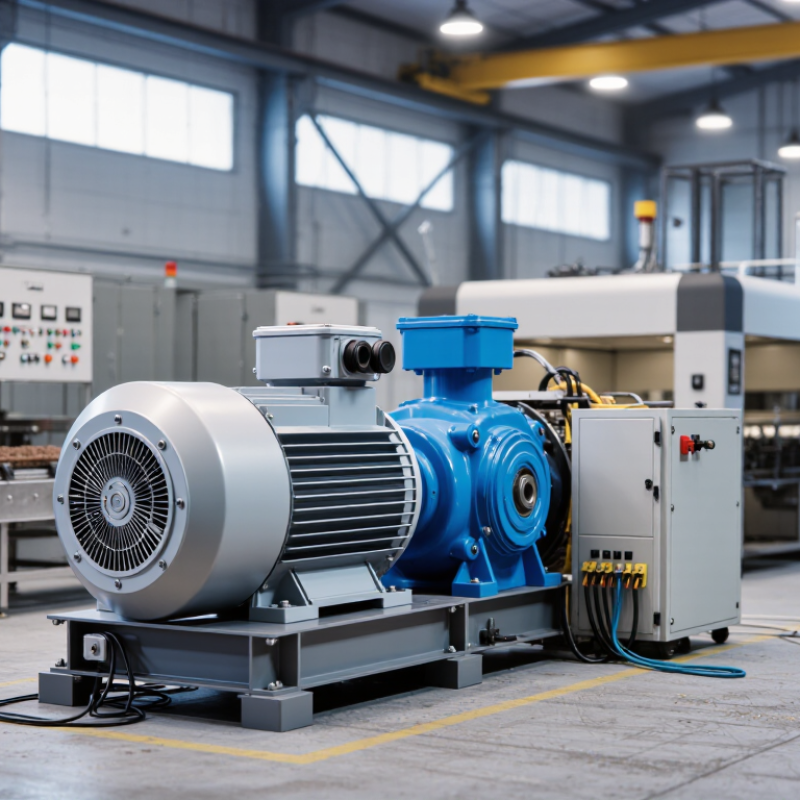
Top Guide: How to Choose the Right Industrial Electric Motor
Define the motor’s duty before comparing power ratings. Duty describes how long the motor runs, stops, accelerates, and rests. Duty comes first. A conveyor running continuously needs different thermal performance from a mixer starting every few minutes. Record starts per hour, operating cycles, speed changes, and braking periods. Short overloads can still create damaging heat. A neat calculation is not always enough.
Measure the real load, not only the equipment’s nameplate value. Identify running torque, starting torque, load inertia, and required speed. Pumps may need stable torque, while crushers can demand sharp starting force. Oversizing seems safe, but it can reduce efficiency and weaken control at light loads. Undersizing causes overheating and nuisance trips. Measure it honestly. Field readings during peak production often reveal conditions that design estimates miss.
The environment can quietly decide motor life. Check ambient temperature, altitude, humidity, dust, water exposure, vibration, and corrosive substances. Dust can block cooling passages. Moisture can damage insulation. Dust changes everything. Select a suitable enclosure and ingress protection level for the actual location, not an assumed clean room. Confirm insulation capability, cooling method, mounting position, and cable entry requirements. If the motor operates outdoors or near washdown areas, inspect seasonal conditions too. I have seen projects focus on horsepower while ignoring heat and contamination; that mistake becomes expensive during maintenance. Document every assumption, because the missing detail may be the deciding detail.
Define the Motor’s Duty, Load, and Operating Environment
Choosing an industrial motor starts with the driven machine, not the motor catalogue. A three-phase induction motor suits many pumps, fans, and conveyors because it is durable and easy to maintain. A synchronous motor holds speed accurately under changing loads. A DC motor can provide strong starting torque, but its maintenance needs may be higher. I have seen buyers select motors by horsepower alone. That shortcut often creates overheating and poor starting performance.
Compare the required power rating with the real load, including startup demand. A conveyor carrying heavy boxes may need high torque before it reaches operating speed. Check rated power in kilowatts, service duty, efficiency, and allowable overload. Do not size the motor too tightly. However, an oversized motor can operate inefficiently during light loads. Measure the load when possible. A brief current reading may miss the hardest part of the cycle.
Speed requirements also change the decision. A two-pole motor runs faster than a four-pole motor at the same supply frequency. Pumps often need stable speed, while mixers may need adjustable speed and controlled torque. A variable frequency drive can help, but motor cooling and low-speed torque must be verified. Dust, heat, moisture, and frequent starts matter too. Check the motor’s enclosure and duty rating. My earlier selections sometimes focused too much on efficiency and overlooked cleaning conditions. That mistake taught me to match the motor to its working environment, not just its nameplate.
Choosing an industrial motor starts with the power supply, not the catalog photo. During field inspections, I check voltage at the motor terminals during startup. A listed voltage may sag under load. That detail can change the selection. Match the motor’s rated voltage to the available system, then verify frequency and allowable variation. Never guess. Wrong voltage can cause heat, weak torque, or repeated trips. I once trusted a panel label without measuring it. That assumption was wrong.
Phase selection is equally practical. Single-phase power suits smaller loads, but starting current can be demanding. Three-phase motors usually provide smoother torque for pumps, fans, conveyors, and compressors. Confirm the actual phase arrangement before ordering. A three-phase motor will not become suitable through rewiring alone.
Check rotation requirements too. Reverse two supply leads only when permitted by the installation procedure. Record voltage, load current, and ambient temperature for a defensible decision.
The control method should match the machine’s behavior. A direct-on-line starter is simple, but it can create a sharp starting surge. Reduced-voltage starters may limit that surge. An adjustable-speed drive can control ramp time and operating speed. However, speed control may introduce heat, electrical noise, and compatibility questions.
Confirm insulation, cooling, braking, and feedback needs with a qualified engineer. I sometimes prefer a simpler panel, then reconsider after watching a conveyor start under full load. Real operation exposes assumptions that spreadsheets miss. Test under normal load, not only at idle.
Efficiency affects energy bills, operating temperature, and service life. Check the motor’s efficiency class under IEC 60034-30-1, not only its nameplate power. A motor running far below its rated load may waste the expected savings. Measure the actual load during normal production, including startup conditions. Small details matter. Power factor, variable-speed operation, and frequent stops can change the selection.
Protection must match the working environment. In a dusty workshop, an appropriate IP rating can reduce contamination risks. Washdown areas may require sealed housing and corrosion-resistant materials. Do not confuse water resistance with complete protection. Condensation inside a cool motor can still damage insulation. Review ambient temperature, altitude, chemical exposure, and ventilation before approving the enclosure. Local electrical requirements should also be checked by a qualified professional.
Mounting and maintenance needs deserve equal attention. Confirm the frame size, shaft dimensions, mounting position, and coupling alignment before installation. An incorrect foot or flange arrangement can create vibration within days. I have seen teams focus on efficiency while overlooking access for bearing inspection. That mistake becomes expensive. Leave room for thermal imaging, vibration checks, lubrication, and cable replacement. Keep records of temperature, noise, and current readings. Maintenance intervals should follow operating conditions, although fixed schedules sometimes need practical adjustment. A clean filter, correct alignment, and timely bearing inspection often protect performance better than an expensive specification.
Start with the working conditions, not the catalogue price. Record voltage, frequency, phase, rated power, speed, torque, duty cycle, and starting method. Check the load at startup, because a motor that suits running conditions may stall under peak demand. Also measure ambient temperature, humidity, dust, and available space. Small details matter. Confirm the enclosure and cooling method match the installation environment.
Request certificates, test reports, efficiency data, and clearly stated tolerances. Verify that the motor meets applicable electrical safety, energy-efficiency, and installation requirements in your operating region. Documentation should match the exact model and configuration, not a similar product. Ask for evidence. I have seen projects delayed because a certificate covered the motor family but not the selected rating. That mistake was avoidable.
Compare total cost instead of purchase price alone. Include energy use, installation, spare parts, inspection, downtime, and expected service life. A cheaper motor can become expensive after repeated bearing failures or difficult maintenance. Supplier support also deserves a practical test. Ask about technical drawings, response times, replacement parts, warranty terms, commissioning guidance, and troubleshooting procedures. Try one technical question before ordering. A vague answer may reveal weak support. My own process is not perfect; I sometimes focus too heavily on efficiency and overlook delivery risk. Availability still matters when production is waiting.
A three-phase induction motor often fits these machines. It is durable and usually easy to maintain. Check the actual load first.
Startup may require much more torque than normal running. A loaded conveyor can stall before reaching operating speed. Measure the hardest cycle.
No. An oversized motor may run inefficiently under light loads. A tightly sized motor may overheat or struggle during startup. Balance matters.
Two-pole motors generally run faster than four-pole motors at the same frequency. Pumps may need stable speed. Mixers may need adjustable speed.
Yes. Low-speed operation can reduce fan cooling and available torque. Verify cooling performance before using adjustable-speed control. This detail is easy to miss.
Review dust, heat, moisture, chemicals, condensation, and ventilation. Washdown areas may need sealed, corrosion-resistant housing. Water resistance is not complete protection.
Check frame size, shaft dimensions, mounting position, coupling alignment, and available service space. Leave room for bearing checks and cable replacement. Fit matters.
Include energy, installation, spare parts, inspections, downtime, and expected service life. A cheaper motor may cost more after repeated bearing failures.
Request certificates, test reports, efficiency data, tolerances, drawings, warranty terms, and replacement-part information. Confirm they match the exact configuration. Ask clearly.
Ask one specific technical question before ordering. Check response time, commissioning guidance, and troubleshooting procedures. A vague answer may reveal delivery risk.
Choosing the right industrial electric motor begins with understanding the application. Define the motor’s duty cycle, required load, starting conditions, speed, and operating environment, including temperature, moisture, dust, vibration, and hazardous exposure. Then compare suitable motor types, power ratings, torque characteristics, and speed requirements to ensure reliable performance without unnecessary energy consumption. Selecting the correct voltage, phase, frequency, and control method is also essential for compatibility with the facility’s electrical system and automation needs.
When considering how to choose the right electric motor for industrial applications, evaluate efficiency, enclosure protection, mounting arrangement, cooling method, maintenance requirements, and expected service life. Verify all technical specifications, safety certifications, regulatory compliance, installation conditions, and total ownership costs before making a decision. A dependable supplier should provide accurate documentation, technical guidance, spare parts, warranty coverage, and responsive after-sales support. A complete evaluation helps ensure the selected motor delivers stable operation, energy efficiency, safety, and long-term value.

RedCat Motors