How to Improve Electric Motor Efficiency by Understanding Key Factors?

Time:2026-06-03 Author:Amelia
0%

Understanding electric motor efficiency is crucial for improving performance in various applications. Several factors impact efficiency, including design, material quality, and operational conditions. Manufacturers and engineers often overlook these aspects, leading to suboptimal performance.

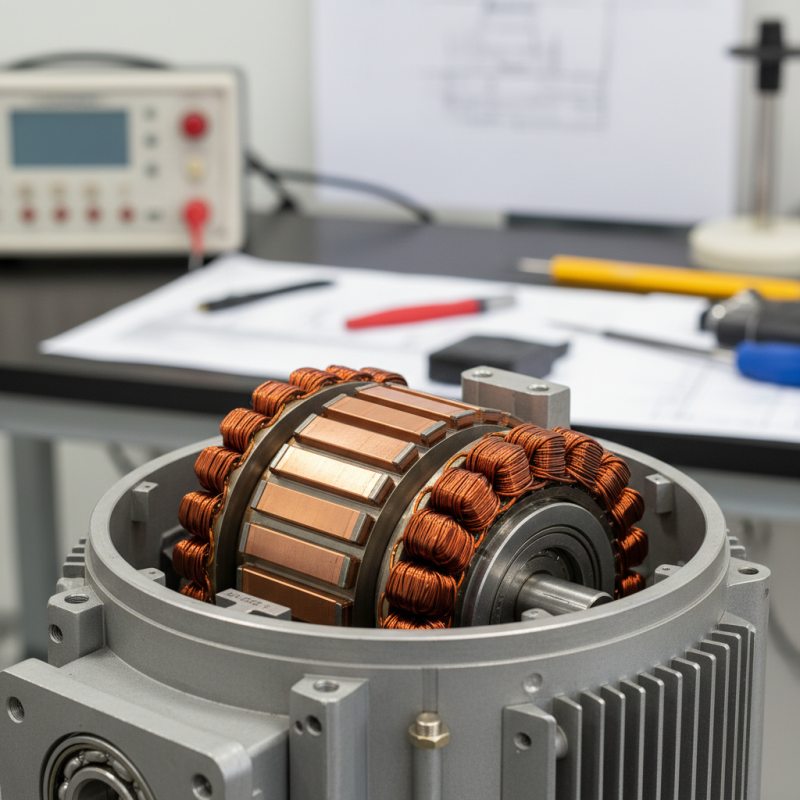
What factors affect electric motor efficiency? The answer lies in examining components such as the rotor, stator, and winding materials. These elements must be carefully optimized for peak performance. Additionally, environmental conditions like temperature and humidity can also play a role.

By identifying and addressing these key factors, businesses can enhance motor efficiency significantly. This awareness can reduce energy consumption and operating costs. Investigating these complexities reveals both challenges and opportunities for improvement. Understanding electric motor efficiency is not merely a technical necessity; it reflects a commitment to sustainability and advanced engineering practices.
How to Improve Electric Motor Efficiency by Understanding Key Factors?

Understanding Electric Motor Efficiency and Its Importance

Electric motor efficiency is crucial in various applications, affecting energy consumption and operational costs. According to the U.S. Department of Energy, improving motor efficiency can lead to energy savings of 2 to 8 percent for newly installed motors. Understanding the factors that influence electric motor performance helps us maximize these benefits. Factors such as load conditions, temperature, and motor design directly impact efficiency rates.

Certain motors perform better under specific loads. For instance, a motor running close to its rated capacity can be significantly more efficient. Monitoring operating conditions not only maintains efficiency but also prolongs equipment life. Regular maintenance, such as cleaning bearings and ensuring proper lubrication, can prevent issues that reduce performance.

Tips for improving electric motor efficiency include replacing old motors with higher-efficiency models and using variable frequency drives. These adjustments can lead to substantial energy savings. Additionally, awareness of the motor's operating environment is essential. Factors like excessive heat can degrade performance, making it critical to regularly assess these conditions. By applying these practices, industries can achieve improved efficiency and sustainability in their operations.

Key Factors Affecting Electric Motor Efficiency

Electric motor efficiency hinges on several key factors. Understanding these can lead to significant improvements in energy usage. One important aspect is the quality of materials used in motor construction. Using better conductors and insulators can reduce energy losses. This approach often results in a noticeable rise in efficiency.

Another critical factor is the design of the motor itself. Optimal rotor and stator designs can minimize resistance and increase output. Engineers often face challenges in achieving the perfect balance between performance and cost. It’s vital to analyze trade-offs during the design phase. Efficiency gains must justify added expenses or complexity.

Lastly, maintenance plays a crucial role. Regular checks can prevent inefficiencies caused by wear and tear. A neglected motor may lose up to 10% of its operational efficiency. Awareness of these factors can help users improve performance. However, many still overlook the importance of routine maintenance, often leading to wasted energy and higher costs. Addressing these issues is essential for maximizing electric motor effectiveness.

Techniques to Enhance Electric Motor Performance

Electric motors play a crucial role in various industries, and enhancing their performance is vital. To improve electric motor efficiency, understanding the key factors is essential. One main factor to consider is the quality of materials used in motor construction. High-quality magnets and windings can significantly reduce energy losses.

When it comes to techniques for enhancing performance, maintenance cannot be overlooked. Regular inspections can identify issues before they escalate. Keeping motors clean from debris ensures optimal air circulation. This practice can prevent overheating, thus boosting overall efficiency.

Tips: Adjusting the operating voltage can enhance performance. Ensure the motor runs close to its rated voltage. Moreover, consider the load conditions. An optimally loaded motor performs better than one running either underloaded or overloaded. Ensuring that the motor is matched correctly to its application is key for efficiency.

Another technique includes the implementation of variable frequency drives (VFDs). VFDs allow precise control over motor speed and torque. This adaptability maximizes energy efficiency in response to varying demands. Addressing wiring conditions and connections can also reflect performance gains. Poor connections lead to energy waste and potentially damage equipment.

Electric Motor Efficiency Improvements

This chart illustrates various techniques to improve electric motor efficiency. Each bar represents the percentage of efficiency gain achievable through different methods, such as design optimization and material selection.

Innovative Technologies for Improving Motor Efficiency

Innovative technologies are revolutionizing the way we improve electric motor efficiency. One significant advancement is the development of high-efficiency permanent magnet motors. According to industry research, these motors can exceed 95% efficiency. This efficiency leads to reduced energy consumption and lower operational costs. However, it's important to note that not every application benefits equally from high-efficiency motors. Sometimes, traditional designs may still be viable.

Another promising area is the integration of smart sensors and IoT in motors. These technologies enable real-time monitoring of motor performance. Insights gained from data analytics can identify inefficiencies. A report from the Electric Power Research Institute highlights that predictive maintenance can reduce downtime by 10-20%. But, implementing these systems can be costly and complex, requiring retraining for facility staff.

Tips to enhance motor efficiency include regular maintenance checks to ensure optimal performance. Simple actions like cleaning dust and debris can yield noticeable improvements. Considering the operating environment is also crucial. Motors operating in harsh conditions may require additional protective measures. Always assess the suitability of the chosen motor for the application at hand.

Future Trends in Electric Motor Efficiency Optimization

Future trends in electric motor efficiency optimization are focused on advanced materials and improved design methodologies. Recent studies indicate that using lightweight, high-strength materials can reduce energy losses in motors. For instance, research shows that incorporating silicon steel can improve efficiency by up to 3%. This enhancement could significantly reduce operational costs in various applications.

Moreover, the integration of digital technologies plays a crucial role. Sensors and data analytics now allow for real-time monitoring of motor performance. A report from the International Energy Agency highlights that predictive maintenance can prevent efficiency degradation, resulting in savings of approximately 15% in energy consumption. However, not all industries have adopted these technologies. Many manufacturers still rely on traditional practices, leading to lost opportunities.

Another emerging trend is the exploration of alternative cooling methods. Efficient cooling can mitigate overheating and maintain motor performance. A study by the Electric Power Research Institute suggests that advanced cooling systems could enhance efficiency by up to 10%. Despite these opportunities, there remains a gap in implementation across the industry. Many stakeholders encounter challenges, such as budget constraints and lack of expertise, hindering the transition to more efficient technologies.

FAQS

: Why is electric motor efficiency important?

: Electric motor efficiency affects energy consumption and operational costs, leading to savings.

How can one improve electric motor efficiency?

Regular maintenance, replacing old motors, and using variable frequency drives can boost efficiency significantly.

What factors impact electric motor performance?

Load conditions, temperature, and motor design directly influence efficiency rates.

Why should old motors be replaced?

Higher-efficiency models can lead to substantial energy savings and lower operational costs.

How does load affect a motor's efficiency?

Motors perform best near their rated capacity, either underloaded or overloaded can decrease efficiency.

What role do maintenance practices play?

Regular inspections and cleaning prevent issues that can reduce performance and prolong equipment life.

Are there innovations in motor technology?

Yes, high-efficiency permanent magnet motors and IoT technology enhance monitoring and performance.

What is predictive maintenance?

It uses data analytics for real-time monitoring, helping to identify inefficiencies over time.

Can operating environment affect motor efficiency?

Yes, excessive heat or harsh conditions can degrade performance and necessitate protective measures.

How essential is regular cleaning for motors?

Simple cleaning practices can ensure optimal air circulation and prevent overheating, boosting efficiency.

Conclusion

Improving electric motor efficiency is crucial for enhancing performance and reducing energy consumption. Key factors that affect electric motor efficiency include design parameters such as winding configurations, magnetic materials, and operational conditions like load and temperature. Understanding these elements is essential for optimizing performance and minimizing losses.

To enhance electric motor performance, various techniques can be employed, such as advanced control strategies and maintenance practices. Innovative technologies are also emerging, focusing on more efficient materials and smarter designs. As the industry evolves, future trends indicate a strong push towards maximizing electric motor efficiency through digitalization and integration of renewable energy sources, ultimately leading to more sustainable practices in motor applications.

Amelia

Amelia

Amelia is a seasoned marketing professional with a wealth of expertise in our company’s core offerings. With an unwavering passion for driving growth and innovation, she plays a pivotal role in shaping our marketing strategies and enhancing brand visibility. A key aspect of her responsibilities......