Electric motors play a crucial role in modern industries. They are found in countless applications, powering everything from small appliances to large machinery. Understanding what industries rely on electric motor technology is essential for grasping its impact on the global economy.
Many sectors depend heavily on electric motors. The automotive industry utilizes them in electric and hybrid vehicles. Manufacturing relies on motors for automated processes, enhancing productivity. Other fields, such as HVAC systems and renewable energy, also benefit from electric motor technology. Each application demonstrates the versatility and efficiency of these motors.
However, not all industries fully embrace this technology. Some may face challenges in integrating electric motors into existing systems. Others may overlook the advantages of transitioning to electric-driven solutions. It is important for industries to assess their needs and explore the potential of electric motor technology. Doing so could lead to increased efficiency and sustainability.
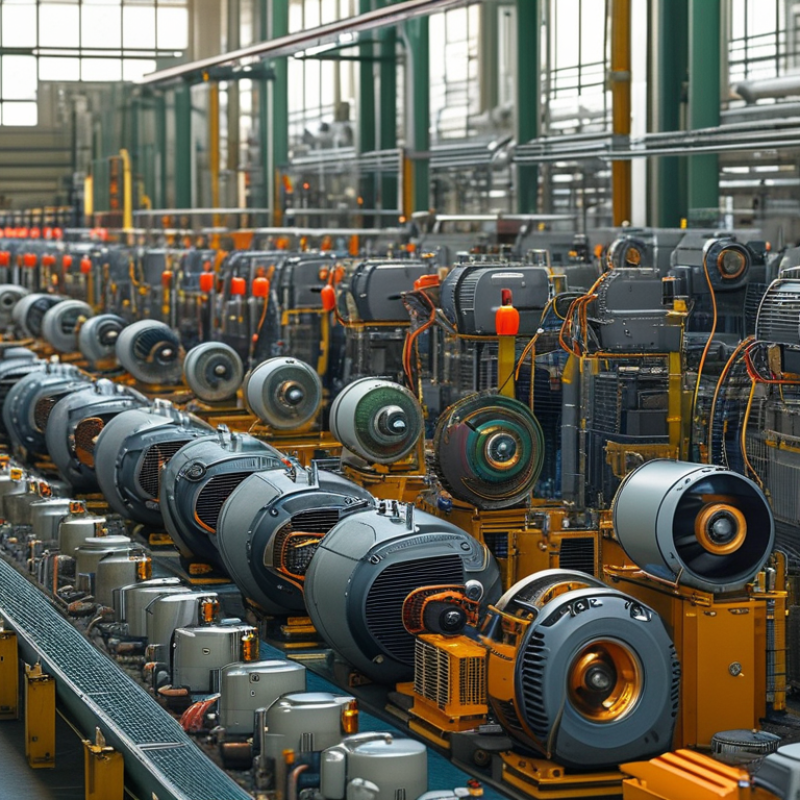
Electric motor technology plays a vital role in various modern industries. Its efficiency and reliability drive advancements in sectors like manufacturing, automotive, and renewable energy. In manufacturing, electric motors are essential for powering machinery. They contribute to improved production speed and safety. In the automotive industry, electric motors are no longer just a niche. They now propel electric vehicles, demonstrating their potential for sustainability.
Tip: Consider energy efficiency when selecting electric motors. It's crucial for reducing costs and environmental impact.
In renewable energy, electric motors convert energy from wind or solar into usable power. Their role in these industries underscores the need for innovation. However, relying solely on electric motors raises questions about sourcing raw materials. This can lead to shortages or ethical concerns. Addressing these issues is part of the industry's growth.
Tip: Always evaluate the entire supply chain. Sustainable sourcing matters.
Electric motors are integral to many industries, driving efficiency and innovation. Manufacturing relies heavily on electric motors for automation and precision. They enhance production rates and reduce energy consumption. In the automotive industry, electric motors power vehicles, contributing to the push for greener transport. From assembly lines to electric vehicles, these motors are essential.
The aerospace sector also benefits greatly from electric motor technology. They are used in drones and aircraft systems, improving efficiency. The use of electric motors in these applications reduces emissions and increases reliability. Sustainability is a major goal for this industry, and electric motors play a key role.
Tips for businesses considering electric motors include evaluating energy usage and maintenance needs. Choose motors designed for specific tasks for optimal performance. Regularly assess the system to identify potential inefficiencies. Small changes can lead to significant improvements. Understanding the latest advancements in electric motor technology can lead to substantial gains.
Electric motors have transformed transportation and logistics, paving the way for greener and more efficient practices. Modern electric vehicles (EVs) rely on advanced motor technology to reduce emissions. This shift is significant, as the transportation sector is a major contributor to global pollution. Electric motors offer an effective solution for achieving sustainability goals.
In logistics, electric motors power various equipment, from forklifts to delivery trucks. These machines operate quietly and efficiently, enhancing warehouse operations. Furthermore, using electric-powered vehicles reduces fuel costs. However, the initial investment in electric technology can be a concern for some companies. Not all regions have the necessary infrastructure for charging, which poses challenges for widespread adoption.
Despite these obstacles, the benefits are compelling. With electric motors, businesses can streamline operations and improve air quality. Companies that embrace this technology often enjoy enhanced public perception. Yet, the transition isn’t always seamless. Continuous innovation and adaptation are crucial for overcoming barriers in the logistics sector. As electric technologies evolve, they hold the potential to reshape the future of transportation.
Electric motors play a crucial role in manufacturing and industrial automation. In factories, they drive everything from conveyor belts to robotic arms. These motors are often the backbone of production lines, enabling smooth operations. Without them, efficiency would plummet. Electric motors convert electrical energy into mechanical energy. This transformation helps machines perform tasks with precision and speed.
The reliance on electric motors is not without challenges. Maintenance can be tricky, and failure can halt operations. Industrial plants must monitor motor performance continuously. Implementing predictive maintenance can help prevent unexpected breakdowns. Moreover, companies are exploring energy-efficient motors to cut costs. The demand for cleaner technology pushes innovation in this sector.
Adoption of automation increases dependence on motor technology. As factories become smarter, the need for reliable motors grows. Industrial automation simplifies processes and boosts output. However, this rapid pace of change can overwhelm some businesses. Training is essential for employees to adapt to new systems. Investment in education and technology can be daunting yet necessary. The dynamics of electric motor technology continue to evolve, offering both opportunities and challenges.
Electric motor technology is revolutionizing various emerging industries today. One notable sector is electric vehicles (EVs). As the world shifts toward sustainability, EVs are becoming more popular. These vehicles heavily rely on advanced electric motors for efficiency and performance. Engineers are constantly refining motor designs to enhance range and speed. Challenges remain, particularly in battery integration and infrastructure.
Another industry leveraging electric motor technology is robotics. Automated systems in manufacturing and logistics are growing rapidly. Electric motors power these machines, enabling precise movements. However, developers face feedback control issues that can affect performance. Innovative designs are needed to improve responsiveness and efficiency. Also, cost-effective solutions are essential for widespread adoption.
The renewable energy sector is also advancing with electric motor applications. Wind turbines harness electric motors for optimal energy conversion. As technology evolves, efficiency has improved. Yet, issues with grid integration still pose challenges. Addressing these problems is crucial for maximizing renewable energy use. The potential of electric motors in different fields continues to grow, but collaboration and innovation are key to overcoming current limitations.
| Industry | Application | Growth Rate (%) | Market Size (Billion USD) |
|---|---|---|---|
| Automotive | Electric Vehicles | 25 | 120 |
| Industrial Automation | Robotics | 15 | 75 |
| Aerospace | Electric Propulsion | 20 | 30 |
| Consumer Electronics | Household Appliances | 10 | 50 |
| Renewable Energy | Wind Turbines | 18 | 40 |
: Electric motors are vital for efficiency and reliability in manufacturing, automotive, and renewable energy sectors.
They power machinery, improving production speed and enhancing safety in operations.
Electric motors propel electric vehicles, showcasing their potential for reducing emissions and promoting greener transport.
Focus on energy efficiency to reduce costs and minimize environmental impact.
They power equipment like forklifts, improving efficiency and lowering fuel costs in logistics.
Initial investment can be high, and adequate charging infrastructure may be lacking in certain regions.
Electric motors reduce emissions, helping to improve air quality in urban areas.
Sustainable sourcing of raw materials is crucial to avoid shortages and ethical concerns.
It helps to overcome barriers and adapt to new technologies in the logistics sector.
Yes, regular assessments can identify inefficiencies, leading to significant operational improvements.
Electric motor technology plays a crucial role across various sectors, significantly enhancing efficiency and driving innovation in modern industries. Key industries that rely on electric motor technology include manufacturing, transportation, logistics, and industrial automation. These sectors benefit from the ability of electric motors to provide precise control and energy-efficient solutions, ultimately improving operational performance.
Moreover, the impact of electric motors extends to emerging industries that are increasingly incorporating this technology into their operations. From automating processes in factories to powering electric vehicles, understanding what industries rely on electric motor technology is essential for recognizing the transformative effects on economic growth and sustainability. As the demand for clean and efficient mechanisms grows, electric motors are poised to be at the forefront of future advancements across diverse fields.
RedCat Motors