Top 5 Latest Trends in Motor Design and Engineering You Must Know?

Time:2026-08-24 Author:Aria
0%

In the rapidly evolving world of motor design and engineering, keeping up with innovations is crucial. As industries strive for efficiency, what are the latest trends in motor design and engineering? Today's advancements are not only about performance but also energy efficiency and sustainability.

New technologies like the use of advanced simulations, AI, and machine learning are reshaping design processes. Designers can now create more efficient motors while reducing material waste. These strategies contribute to both economic and environmental goals.

However, challenges remain. The integration of these innovations requires skilled personnel and investment. Companies must navigate a steep learning curve to fully embrace these shifts. Understanding the emerging trends is essential for staying competitive in a dynamic market.
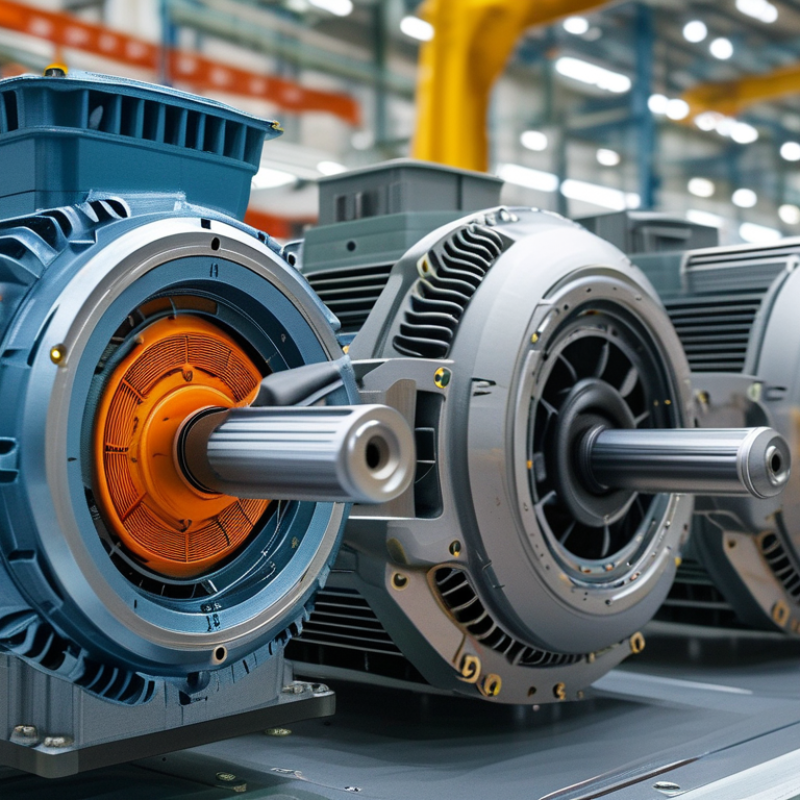
Top 5 Latest Trends in Motor Design and Engineering You Must Know?

Emerging Technologies Revolutionizing Motor Design in 2023

The field of motor design is rapidly evolving, thanks to emerging technologies. In 2023, several trends are reshaping how engineers approach motor efficiency and performance. Advanced materials play a crucial role, ensuring durability while reducing weight. For example, composite materials can enhance motor longevity. However, integrating these materials often poses challenges, requiring careful testing.

Another significant trend is the adoption of smart technologies. IoT sensors are becoming common in motor applications, providing real-time data on performance metrics. This information can lead to proactive maintenance strategies. Still, the learning curve for engineers to use this data effectively can be steep. They must adapt to new workflows and tools amid ongoing technological advancements.

Moreover, sustainability is at the forefront of motor design. Manufacturers are focusing on energy efficiency and eco-friendly production processes. Innovations like regenerative braking systems are gaining traction. However, achieving a balance between high performance and environmental responsibility is an ongoing debate within the industry. Continuous improvement is essential for meeting both consumer demands and regulatory requirements.

Sustainable Materials Impacting Motor Engineering Innovations

Sustainable materials are reshaping motor engineering. The push for greener alternatives is evident. Manufacturers are exploring options like bioplastics, recycled metals, and plant-based composites. These materials can reduce environmental impact while maintaining performance. They present a dual challenge: achieving durability and sustainability.

The use of lightweight materials is crucial for efficiency. Engineers aim to create motors that consume less energy. However, finding the right balance between weight and strength remains a complex task. Traditional materials may offer reliability, yet they contribute to carbon footprints. Sustainable choices require innovative thinking.

Collaboration between engineers and material scientists is essential. This cross-disciplinary approach fosters new ideas and solutions. Yet, the transition is not seamless. Cost, scalability, and availability of sustainable materials pose significant hurdles. Overcoming these challenges requires ongoing research and investment. The future of motor design hinges on this evolution.

Integration of AI and Machine Learning in Motor Performance Optimization

The integration of AI and machine learning in motor performance optimization is transforming the design landscape. Engineers rely on advanced algorithms to analyze vast data sets. These insights help in fine-tuning motor efficiency and reliability. For instance, predictive maintenance models can foresee potential failures before they occur. This proactive approach reduces downtime and maintenance costs.

Moreover, real-time monitoring systems powered by AI are becoming commonplace. They gather performance data, offering a continuous feedback loop. This allows for instant adjustments to operating conditions. However, challenges exist in data accuracy and interpretation. In many cases, engineers must refine these algorithms to avoid pitfalls. Machine learning can misinterpret anomalies, leading to misguided decisions.

Ultimately, the marriage of AI with motor engineering holds great promise. Yet, it demands constant vigilance and adaptation. Professionals in the field must embrace ongoing learning to leverage these technologies effectively. Integration is not without its complexities, but the potential rewards are substantial. Emphasizing both the opportunities and hurdles is crucial for future developments.

Top 5 Latest Trends in Motor Design and Engineering

This bar chart illustrates the adoption rates of the latest trends in motor design and engineering, emphasizing the significant integration of AI and machine learning technologies.

Advanced Cooling Techniques for Enhanced Motor Efficiency

Advanced cooling techniques have become essential in modern motor design and engineering. As motors operate at higher speeds and loads, managing heat effectively is crucial. Traditional cooling methods often struggle to maintain optimal temperatures. This inefficiency can lead to decreased performance and increased wear on components.

Innovative cooling solutions are now being explored. Liquid cooling systems are gaining traction. They provide better heat exchange compared to air cooling. These systems can maintain lower operational temperatures, enhancing motor longevity. Heat pipes also show promise. Their efficient thermal transfer can reduce hotspots within motors.

However, challenges remain. Implementing advanced cooling techniques can increase complexity and costs. Engineers must balance efficiency with practicality. Future advancements should focus on simplifying these systems while ensuring they meet performance standards. This reflection on evolving technologies highlights the ongoing quest for efficiency and reliability in motor design.

Trends in Miniaturization and Compact Motor Designs for Modern Applications

In recent years, the demand for miniaturized and compact motor designs has surged. Modern applications, such as robotics and consumer electronics, require smaller, lighter, and more efficient motors. According to a report by ResearchAndMarkets, the global miniaturized motor market is projected to grow at a CAGR of 6.5% from 2022 to 2027. This growth indicates a shift towards more integrated systems where space is at a premium.

Engineers are focusing on advanced manufacturing techniques. Techniques such as additive manufacturing and precision machining are making it possible to create intricate designs that were previously impossible. For instance, the use of 3D printing allows for complex geometries that enhance performance. This advancement brings challenges too. The transition from traditional manufacturing to these innovative methods requires new skills and processes. Industry experts emphasize the need for ongoing training and development.

Battery efficiency is another key area of focus. As motors shrink, their energy density must improve. A study from the International Electrotechnical Commission highlights the importance of lightweight materials. These materials not only reduce weight but also enhance performance. However, sourcing sustainable materials remains a challenge in this rapidly evolving field. Balancing innovation with environmental responsibility is becoming a critical consideration for engineers.

Top 5 Latest Trends in Motor Design and Engineering You Must Know

Trend Description Application Area Benefits
Miniaturization Development of smaller, more efficient motors Consumer electronics, drones Space-saving design, lightweight
Compact Designs Innovative designs that save space without sacrificing performance Automotive, robotics Enhanced maneuverability, increased performance
Integrated Technology Incorporation of smart features, sensors, and controls Smart appliances, IoT Improved efficiency, advanced capabilities
Enhanced Efficiency Motors designed with a focus on energy conservation Industrial, renewable energy Lower operational costs, sustainable solutions
Customizable Solutions Modular designs allowing for tailored motor specifications Medical devices, specialized machinery Flexibility to meet specific needs, faster prototyping

FAQS

: What are the emerging trends in motor design in 2023?

: Key trends include advanced materials, smart technologies, and sustainability. These shape efficiency and performance in innovative ways.

How do advanced materials enhance motor design?

They reduce weight and increase durability, yet integrating them requires careful testing and validation. Challenges persist.

What role do IoT sensors play in motor applications?

IoT sensors provide real-time performance data. This can enable proactive maintenance but requires engineers to adapt to new workflows.

Why is sustainability important in motor engineering?

Sustainability focuses on energy efficiency and eco-friendly production. Balancing performance with environmental responsibility is an ongoing challenge.

What are some examples of sustainable materials used in motor design?

Options include bioplastics, recycled metals, and plant-based composites. Each provides challenges in durability and maintaining performance.

What challenges do engineers face when integrating AI in motors?

Data accuracy is a major hurdle. Misinterpretation can lead to misguided decisions, so refining algorithms is necessary.

How does real-time monitoring benefit motor performance?

It allows for quick adjustments based on performance data. However, the complexity of the data can lead to challenges.

Why is ongoing research important in sustainable materials?

It addresses scalability and availability issues. Continued innovation is vital for making sustainable choices feasible.

What is the importance of collaboration between engineers and material scientists?

This partnership fosters innovative solutions, but transitioning can be difficult due to costs and resource availability.

How can professionals keep up with emerging technologies in motor design?

Ongoing learning and adaptation are essential to leverage new technologies effectively and navigate complexities in the field.

Conclusion

In 2023, motor design and engineering are witnessing transformative changes shaped by several key trends. Emerging technologies are revolutionizing traditional practices, leading to innovations that enhance performance and sustainability. What are the latest trends in motor design and engineering? One significant trend is the use of sustainable materials, which not only improve the environmental footprint but also contribute to advances in motor engineering. Additionally, the integration of AI and machine learning is optimizing motor performance, enabling smarter and more efficient designs.

Another area of focus is the development of advanced cooling techniques that enhance motor efficiency, crucial for meeting the demands of modern applications. Moreover, trends in miniaturization and compact motor designs are paving the way for applications in space-constrained environments, driving innovation across various sectors. Collectively, these trends signify a pivotal shift towards more efficient, environmentally friendly, and smarter motor systems.

Aria

Aria

Aria is a dedicated marketing professional with a deep passion for innovative strategies and a keen understanding of our company's product offerings. With a wealth of experience in the industry, Aria excels at crafting engaging content that highlights the unique features and benefits of our......