In the quest for sustainable energy solutions, optimizing motor systems stands out as a critical area. Experts in the field, like Dr. Alan Richards, emphasize this importance. He asserts, “Energy-efficient motors can drastically cut operational costs and emissions.” As industries evolve towards more eco-friendly practices, understanding how to optimize motor systems for energy savings becomes essential.
The efficiency of motor systems not only impacts cost but also influences overall sustainability. Many organizations overlook this aspect. They may not realize that inefficient motors could be wasting significant energy. This perspective leads to missed opportunities for improvement and savings. Implementing energy-efficient technologies requires commitment and investment, yet the long-term benefits are substantial.
Moreover, strategies such as regular maintenance and advanced control systems are often underestimated. These practices can enhance performance and reliability. Reflecting on current methods could reveal gaps that demand attention. By addressing these issues, industries can make strides toward achieving energy efficiency. As we move closer to 2026, the drive to discover how to optimize motor systems for energy savings must intensify.
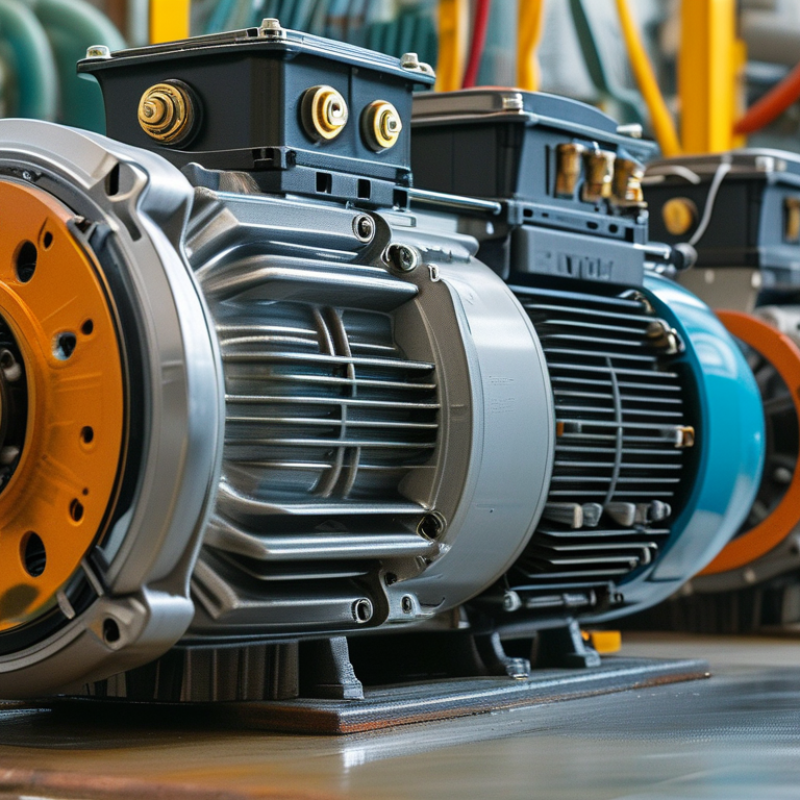
Optimizing energy efficiency in motor systems will be crucial by 2026. According to the International Energy Agency (IEA), motors account for nearly 70% of industrial electricity consumption. Advancements in technology and design can significantly reduce energy waste.
Focus on regular maintenance to ensure motors operate at peak efficiency. A well-tuned motor can improve energy savings by up to 10%. Additionally, using high-efficiency motors can yield an average energy savings of 5-8% compared to standard models. Consider investing in smart motor controls. These devices can adjust motor speed and torque, optimizing performance based on actual demand.
Data from the U.S. Department of Energy highlights that inefficient motor systems lead to excessive operational costs. The potential for a 50% reduction in energy consumption exists through improved designs and materials. Evaluate your current motor systems. Identify areas for improvement and consider upgrades that enhance performance without excessive costs. Energy audits can also uncover hidden inefficiencies.
Energy optimization in motor systems is crucial for 2026 and beyond. Identifying key components can significantly enhance energy savings. One essential area is the efficiency of the electric motors themselves. Choosing energy-efficient models can lead to substantial reductions in power consumption. Consider upgrading older motors that may not meet current energy standards.
Another critical component is the utilization of variable frequency drives (VFDs). VFDs allow for precise control of motor speed and torque. This can lead to energy savings, particularly in applications where load demand fluctuates. Implementing VFDs can adapt motor operations to real-time conditions. Proper installation and tuning of these systems are vital for achieving maximum efficiency.
Monitor your systems regularly. Scheduled maintenance helps identify inefficiencies before they escalate. Check for issues like overheating or unusual vibrations, which can indicate underlying problems. Regular audits of the energy consumption patterns also reveal opportunities for improvement. Sometimes, the smallest adjustments can yield significant savings in the long run. Remember, optimizing motor systems requires continuous evaluation and adjustment for better results.
Implementing advanced control technologies for motors can significantly enhance energy efficiency. Smart control systems can adapt the motor's performance based on real-time data. These systems monitor load conditions and make instant adjustments. For instance, variable frequency drives adjust the speed of motor systems, leading to substantial energy savings.
Optimal settings are often missed. Regular audits of motor systems can reveal inefficiencies and maintenance needs. Setting performance benchmarks helps in recognizing when a system underperforms. Many facilities overlook basic maintenance tasks that may drastically improve performance.
Another effective method is using predictive analytics. Sensors collect data to foresee failures before they occur. This proactive approach reduces downtime and maintenance costs. Identifying patterns in energy use can also highlight areas for improvement. Encourage teams to challenge current processes. It sparks ideas for innovative solutions.
Evaluating maintenance strategies is crucial for optimizing motor systems. Regular inspection plays a key role in maintaining performance and efficiency. A motor that operates under stress can lead to increased energy consumption. Over time, small issues may escalate into major failures. This highlights the need for a proactive maintenance approach.
Predictive maintenance strategies can significantly reduce operational costs. By using data analytics, facilities can assess the health of motors in real time. This method allows for timely interventions before problems arise. However, not every facility is equipped for this advanced evaluation. Some still rely on reactive maintenance, which often proves costly.
Training staff on effective maintenance practices is essential. Knowledgeable personnel can identify potential issues early on. Frequent training sessions can keep teams updated on new technologies. This ongoing education is a vital part of enhancing motor performance. While some may resist change, adapting to modern practices is necessary for long-term benefits.
In 2026, energy efficiency in motor systems will be crucial for industry. Experts predict a significant shift towards more sustainable designs. This may include the use of advanced materials and technologies that enhance performance while reducing energy consumption. Motors are evolving; they are becoming smarter and more responsive. Predictive maintenance is one trend gaining traction. It minimizes downtime and maximizes energy savings.
Monitoring systems will track energy use in real-time. This data will help industries adjust operations promptly. For instance, a factory can optimize motor speeds based on load demands. This approach requires skilled technicians who understand both mechanical and electrical systems. Implementing such technologies may seem daunting. Training staff will be an ongoing challenge. Continuous learning is vital.
As motor technology advances, regulatory standards will likely tighten. Compliance will test many organizations. Some may feel overwhelmed by the cost of upgrading systems. Nevertheless, proactive approaches often yield the best long-term results. Engaging with energy management professionals can guide necessary changes. They offer insights into best practices, fostering innovation.
| Dimension | Current Efficiency (%) | Projected Efficiency (%) 2026 | Energy Savings Potential (%) | Investment Cost (USD) |
|---|---|---|---|---|
| Standard AC Motors | 85 | 92 | 10 | 500 |
| Servo Motors | 90 | 95 | 20 | 800 |
| Blower Motors | 80 | 88 | 15 | 600 |
| Pump Motors | 82 | 89 | 12 | 700 |
| Variable Frequency Drives (VFDs) | 75 | 85 | 25 | 1200 |
: Energy optimization is crucial to enhance savings and meet future sustainability goals.
Electric motors' efficiency greatly impacts power consumption. Upgrading older models can improve this.
VFDs allow for dynamic control of motor speeds, adapting to real-time load demands.
Regular monitoring and scheduled maintenance can identify inefficiencies and prevent bigger problems.
Predictive maintenance minimizes downtime, enhancing overall performance and energy savings.
Implementing advanced technologies may seem daunting, and training staff is an ongoing struggle.
By using real-time monitoring systems, industries can optimize motor operations according to actual demands.
Stricter regulations may pressure organizations to upgrade, which can be overwhelming and costly.
Yes, even minor changes can lead to significant energy savings over time.
Continuous evaluation and adapting systems to new technologies are essential for ongoing efficiency.
In the quest to understand how to optimize motor systems for energy savings in 2026, it is crucial to first grasp the fundamentals of energy efficiency within these systems. This includes identifying key components that can be fine-tuned for enhanced performance, such as motors, drives, and associated equipment. By focusing on these elements, organizations can pinpoint opportunities for improvement.
Additionally, implementing advanced control technologies plays a significant role in energy optimization. These technologies allow for precise regulation of motor operations, adapting to varying load conditions and improving overall efficiency. Moreover, evaluating maintenance strategies ensures that motor systems operate at peak performance over time, reducing energy wastage. Finally, staying informed about future trends in motor system energy savings, such as emerging technologies and regulatory changes, will be vital for ongoing optimization efforts.

RedCat Motors