Electric motors are integral to various industries, but they often face the risk of overheating. Understanding "why do electric motors overheat" is crucial for safety and efficiency. Dr. Sarah Mitchell, an electrical engineering expert, notes, "Overheating can lead to catastrophic failures in motors if not addressed timely."
Motors can overheat due to various factors, including poor ventilation, excessive load, or electrical imbalances. For instance, inadequate airflow can trap heat within the motor, leading to damaging temperatures. Similarly, motors running at loads beyond their rated capacity generate excess heat, stressing the components.
The consequences of ignoring overheating can be severe. Not only can it result in system downtime, but it can also compromise safety. Regular monitoring and maintenance are necessary to prevent these issues. Implementing cooling techniques and ensuring proper load management can extend motor life significantly. As we delve deeper into preventive strategies, it’s essential to reflect on the common pitfalls that engineers might overlook.
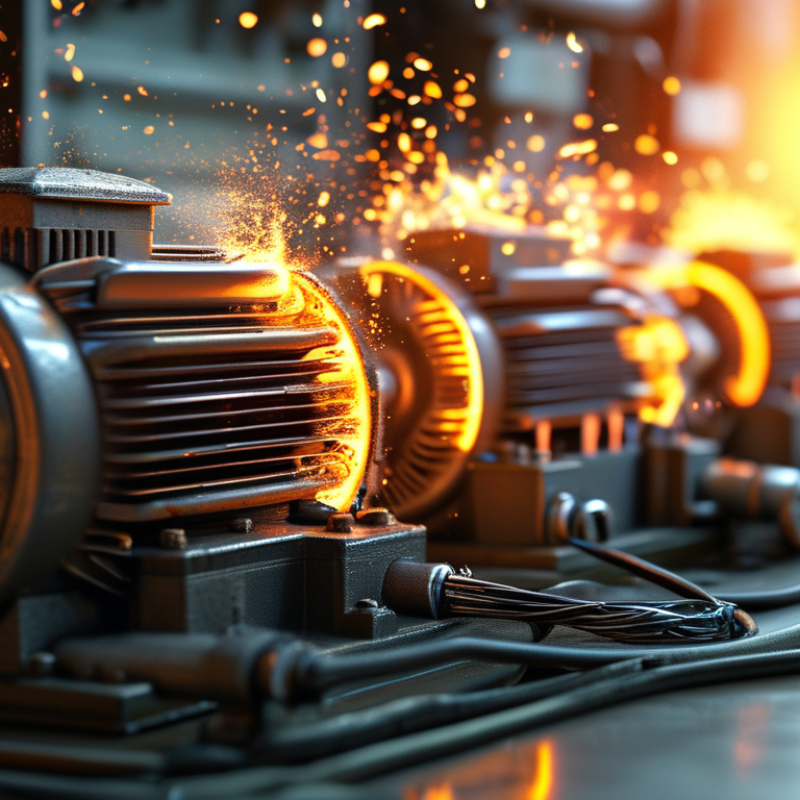
Understanding the Causes of Overheating in Electric Motors
Electric motors are essential in various applications. However, overheating can lead to reduced efficiency and damage.
Understanding the causes of overheating is critical for prevention.
Common causes include poor ventilation, excessive load, and electrical imbalances. When motors lack airflow, heat builds up quickly. An overloaded motor struggles, generating more heat than it can dissipate. Electrical issues, such as voltage spikes, can also increase temperature, potentially leading to burnout.
Tips: Regular maintenance is crucial. Check air filters and clean them to promote airflow. Monitor voltage levels consistently. Keeping the motor within its rated load is essential to prevent stress.
Investing time in proper installation pays off. Ensure that motors have adequate space for cooling. Installing thermal protection devices can help mitigate risks. Look for signs of overheating, such as discoloration or unusual noises. Being proactive can save costs in the long run.
Importance of Proper Sizing and Selection of Electric Motors
Choosing the right size and type of electric motor is crucial for efficient operation. An improperly sized motor can lead to overheating issues. When motors are too small for their tasks, they work harder, generating excess heat. This can cause premature wear and tear, eventually leading to failure.
Selecting an appropriate motor involves considering factors beyond just horsepower. Load requirements, environmental conditions, and duty cycles all play significant roles. It's important to analyze the specific application. Even small variations in parameters can have a large impact on performance. Some users overlook the importance of this analysis, resulting in inefficient systems.
Proper motor sizing also includes understanding how ambient temperature might affect performance. Motors operating in high-temperature environments face added stress. This knowledge can inform additional cooling measures, if necessary. Continual learning and adapting to new technologies can help mitigate overheating risks. Users should reflect on past choices to improve future selections.
2026 How to Prevent Electric Motors from Overheating? - Importance of Proper Sizing and Selection of Electric Motors
| Motor Type |
Rated Power (kW) |
Max Operating Temperature (°C) |
Cooling Method |
Efficiency (%) |
Protection Class |
| Induction Motor |
15 |
90 |
Air Cooling |
85 |
IP55 |
| Synchronous Motor |
10 |
85 |
Water Cooling |
90 |
IP65 |
| Brushless DC Motor |
5 |
80 |
Forced Air Cooling |
95 |
IP67 |
| Stepper Motor |
2 |
75 |
Natural Cooling |
80 |
IP54 |
Implementing Effective Cooling Methods for Electric Motors
Electric motors are essential in various applications, but overheating can lead to efficiency loss and damage. Implementing effective cooling methods can prevent overheating and extend motor lifespan. Studies show that motors operating above their rated temperature can reduce performance by up to 10%. Keeping motors cool is not just beneficial; it’s necessary.
Air cooling is one popular method. This involves using fans to increase airflow around the motor. Proper ventilation systems aid in dissipating heat effectively. Water cooling is another reliable technique, which can absorb heat more efficiently than air. However, this method requires careful design to prevent leaks that could lead to short circuits.
Tips: Regularly monitoring motor temperature can help detect issues early. Using thermal imaging cameras can identify hot spots that may require additional cooling measures. It’s crucial to ensure that cooling systems are adequate but not excessive, as too much cooling can waste energy and lead to inefficiencies.
Choosing the right insulation for windings also plays a key role. Insulation can withstand higher temperatures, reducing heat generation. Yet, balancing thermal and electrical properties is essential. The industry often emphasizes the importance of managing heat generation at its source, not just relying on cooling methods. The integration of proper cooling techniques significantly enhances performance and reliability as electric motors continue to evolve.
Preventing Electric Motors from Overheating
This chart illustrates the effectiveness of various cooling methods implemented to prevent overheating in electric motors. The data is presented in terms of temperature reduction (in degrees Celsius) achieved by each method.
Regular Maintenance Practices to Prevent Overheating
Electric motors are vital in numerous industries, yet overheating remains a common issue. Regular maintenance is essential to enhance performance and longevity. A recent report from the Electrical Reliability Services indicates that about 30% of motor failures are due to overheating. This issue can drastically reduce efficiency and increase operational costs.
Implementing systematic checks is crucial. Regularly inspecting bearings and lubrication can prevent friction, a common overheating cause. Keeping the motor clean and free from dust is equally important. In HVAC systems, for example, accumulated debris can block airflow, raising the motor's operational temperature. The U.S. Department of Energy emphasizes that a clean motor can operate up to 10% more efficiently.
While regular maintenance is vital, many industries still overlook simple practices. Some organizations fail to conduct consistent temperature checks. Installing thermal sensors can provide real-time data. Studies suggest that motors monitored continuously have a 50% lower chance of overheating incidents. It’s clear that adopting these proactive measures can significantly reduce risks in managing electric motors.
Utilizing Temperature Monitoring and Protection Systems
Electric motors are vital in various industries, but overheating can lead to failures. Utilizing temperature monitoring and protection systems offers a robust solution. These systems can detect abnormal temperature rises in real-time. Sensors placed near critical components measure heat levels continuously. When temperatures exceed predefined limits, the system triggers alerts or automatic shutdowns.
Implementing a reliable monitoring system requires expertise. Choosing the right type of sensors is important. Different motors may need different sensors based on their application. Regular maintenance of these sensors is essential for accuracy. Sometimes, overlooking this can lead to inaccurate readings. This may cause preventable overheating issues.
Protection systems can be complex. They may involve software that analyzes temperature data over time. This software helps in identifying trends and providing insights. Without it, operators might miss crucial warnings. Educating staff on the importance of temperature monitoring is vital for successful implementation. Ignoring human factors can undermine the entire system, highlighting the need for continuous training and improvements.
FAQS
: Common causes include poor ventilation, excessive load, and electrical imbalances. These factors can lead to heat buildup.
When motors lack airflow, heat accumulates quickly, contributing to overheating and potentially reducing motor lifespan.
Consistent voltage monitoring helps prevent spikes that can raise temperatures and lead to electrical burnout.
Regularly inspect bearings, ensure proper lubrication, and keep motors clean to enhance operational efficiency.
Air cooling and water cooling are effective. Fans enhance airflow, while water cooling requires careful design to avoid leaks.
Choosing suitable insulation allows windings to withstand higher temperatures, reducing heat generation and enhancing performance.
Look for discoloration, unusual noises, or elevated temperatures as indicators of potential overheating issues.
Continuous temperature checks can identify problems early. They can reduce the chance of overheating incidents significantly.
Yes, too much cooling can waste energy and create inefficiencies, so balance is crucial in cooling systems.
Many organizations neglect consistent temperature checks and regular inspections, which can lead to increased overheating risks.
Conclusion
Electric motors are crucial components in various applications, but overheating is a common issue that can lead to failure and decreased performance. Understanding why do electric motors overheat is essential for preventing complications. Factors such as inadequate sizing, poor selection, and environmental conditions can significantly contribute to overheating. Proper sizing ensures that the motor matches the application’s requirements, while effective selection considers the operational environment.
To mitigate the risk of overheating, implementing effective cooling methods, such as ventilation and heat sinks, is vital. Regular maintenance practices, including cleaning and lubrication, help sustain optimal performance. Additionally, temperature monitoring and protection systems can provide real-time data, enabling proactive measures to prevent overheating, ultimately enhancing the longevity and reliability of electric motors.

 RedCat Motors