How to Reduce Energy Consumption in Motor Driven Equipment?

Time:2026-06-28 Author:Charlotte
0%

Reducing energy consumption in motor-driven equipment is crucial for industries. Experts are emphasizing practical solutions. For instance, Dr. Emily Carter, a renowned electrical engineer, states, "Small adjustments can lead to significant energy savings." This highlights the importance of focusing on details.

Businesses often overlook energy-efficient practices. Simple strategies, like regular maintenance and proper sizing of motors, can make a notable impact. Identifying inefficiencies is key. Implementing variable frequency drives can optimize motor performance. These changes may seem minimal, but they accumulate over time, leading to substantial savings.

The challenge lies in creating awareness and commitment to these practices. Many companies hesitate to change established habits. However, ongoing education and training can bridge this gap. Enhancing knowledge about how to reduce energy consumption in motor-driven equipment is essential for future sustainability. By focusing on expertise, industries can take meaningful steps towards efficiency.
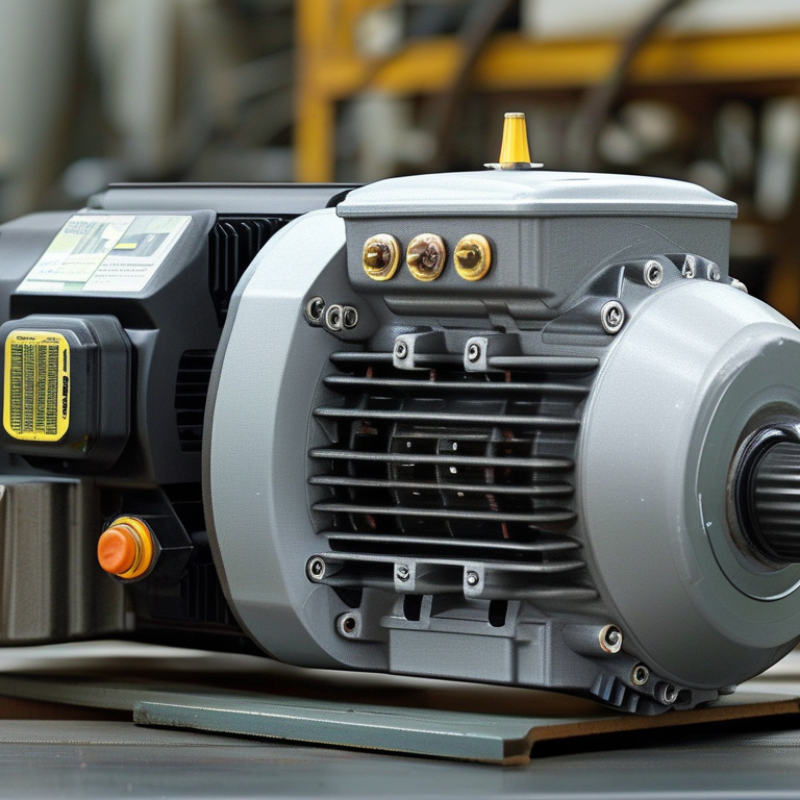
How to Reduce Energy Consumption in Motor Driven Equipment?

Understanding Energy Consumption in Motor Driven Equipment

Understanding energy consumption in motor-driven equipment is vital for improving efficiency. These systems often consume large amounts of energy, leading to higher operational costs. To effectively reduce these costs, one must first comprehend how motors utilize energy. Factors like load conditions, operating time, and maintenance practices significantly affect energy efficiency.

**Tips:** Regular maintenance is essential. Check for wear and tear in motors regularly. A well-maintained motor runs smoother and consumes less energy. Additionally, monitor the temperature of the motor. Overheating can indicate inefficiencies that need attention.

Another key factor is selecting the right size motor. Oversized motors can lead to increased energy wastage. Evaluate the load requirements accurately. Sometimes, downsizing a motor can achieve significant energy savings without sacrificing performance.

**Tips:** Consider using variable frequency drives (VFDs). These devices adjust motor speed based on demand, providing significant energy savings. Training staff on energy-efficient practices can also lead to improved operational habits. Encourage employees to report any irregularities in motor function, fostering a proactive approach to energy efficiency.

Energy Consumption in Motor Driven Equipment

Identifying Key Areas for Efficiency Improvement in Systems

Identifying key areas for efficiency improvement in motor driven equipment can significantly reduce energy consumption. Start by reviewing system design and control methodologies. Assessing the motor's load profile is critical. Motors often operate at less than optimal capacities, leading to wasted energy. Recognizing this, systems should be designed to match motor sizes to their actual loads.

Maintaining equipment is just as vital. Regular inspections can help catch inefficiencies early. Bearings, belts, and seals wear over time, affecting performance. Upgrading to more efficient components can also provide long-term savings. Monitoring energy use is essential. Track patterns to identify peaks and potential wastage.

Human factors play a role too. Training personnel on best practices can enhance efficiency. Employees are often unaware of methods to save energy. Share insights on optimizing run times and minimizing idle periods. Reflecting on operational habits can reveal surprising areas of waste. Small changes can lead to significant improvements and energy savings over time.

Implementing Variable Frequency Drives (VFDs) for Energy Savings

Variable Frequency Drives (VFDs) emerge as a significant solution for reducing energy consumption in motor-driven equipment. These devices optimize motor speed and torque by adjusting the electric frequency and voltage supplied. According to the U.S. Department of Energy, VFDs can improve motor efficiency by 20% to 50%, depending on the application. This adjustment enhances performance and prevents energy waste in processes.


Implementing VFDs not only saves energy but also prolongs equipment life. Motors run cooler with variable speed control, reducing wear and tear. The energy savings achieved can lead to a reduction in greenhouse gas emissions too. However, it is essential to recognize that VFDs require proper installation and regular maintenance. An improperly set up VFD may lead to unexpected issues, such as harmonics that can disrupt power quality. A comprehensive assessment is crucial to align VFD usage with specific operational goals.


While VFDs offer advantages, challenges exist. Initial investment costs can deter some businesses. Additionally, employee training on new systems is sometimes overlooked. Organizations must weigh these factors against potential energy savings. For industries aiming for sustainability, embracing VFD technology is a worthwhile consideration. Understanding both the benefits and challenges of VFDs leads to better implementation strategies.

Regular Maintenance Practices to Enhance Motor Performance

Regular maintenance is crucial for optimal motor performance. Checking bearings can prevent wear. A small issue today can grow into a major problem tomorrow. Lubrication is often overlooked. Regularly applying the right lubricant can significantly reduce friction and improve efficiency. A simple grease check goes a long way.

Testing for electrical imbalances is essential. Even minor discrepancies can lead to inefficiency. Monitoring voltage and current can reveal hidden problems. Replace worn-out parts promptly. Delaying this can cause additional strain on the motor. Sometimes, costs could increase due to these small oversights.

Additionally, keep the motor clean. Dust and debris can impact cooling mechanisms. Regular cleaning schedules might seem tedious, but they pay off over time. Delve into the environment where the motor operates. High humidity or extreme temperatures can affect performance. Understanding these factors is vital for long-term efficiency. Adapting maintenance practices to specific conditions creates a smoother operation.

How to Reduce Energy Consumption in Motor Driven Equipment? - Regular Maintenance Practices to Enhance Motor Performance

Maintenance Practice Frequency Impact on Efficiency (%) Cost ($) Notes
Lubrication of Bearings Monthly 5-15 50 Reduces friction
Belt Tension Adjustment Quarterly 10-20 30 Prevents slippage
Cleaning of Motor Components Biannually 8-12 75 Improves heat dissipation
Vibration Analysis Annually 5-25 100 Identifies mechanical issues
Thermal Imaging Annually 10-30 150 Detects overheating issues

Leveraging Smart Technology for Real-Time Energy Monitoring

Leveraging smart technology for real-time energy monitoring can dramatically reduce energy consumption in motor-driven equipment. These tools provide immediate insights into usage patterns. Operators can easily identify inefficiencies or unusual spikes in energy use. By addressing these issues early, companies can avoid excessive waste and lower their costs.

Smart sensors can track energy consumption with precision. They allow for the separation of data by equipment type or operational time. This granularity helps teams understand which machines are contributing most to energy consumption. Small changes can lead to significant savings. However, collecting data is only the first step; analyzing that data effectively requires expertise.

Some facilities struggle to implement these systems fully. Resistance to change is common. Training staff to embrace new technology can take time. Additionally, integrating smart technology into existing equipment may present challenges. Leaders must reflect on these obstacles and develop strategies to overcome them. Continuous monitoring and adjustments are essential for sustainable energy management.

FAQS

: How can I reduce energy consumption in motor-driven equipment?

: Start by understanding how motors use energy and reviewing load conditions.

What maintenance practices help improve motor efficiency?

Regularly inspect motors for wear. Monitor temperature to prevent overheating.

Why is motor size important for energy savings?

Oversized motors waste energy. Accurately assess load requirements before selection.

What are Variable Frequency Drives (VFDs)?

VFDs adjust motor speed based on demand, saving energy significantly.

How can employee training enhance energy efficiency?

Educating staff on best practices promotes awareness about energy-saving methods.

What role does system design play in energy efficiency?

Properly matching motor sizes to actual load reduces wasted energy during operation.

Why is monitoring energy usage crucial?

Tracking usage helps identify patterns and wasted energy, leading to better management.

Are there challenges to implementing VFDs?

Initial costs and employee training can be hurdles but worth considering for savings.

How does wear and tear affect motor performance?

Over time, components like bearings and belts degrade, leading to inefficiencies.

Can small changes really impact energy savings?

Yes, minor adjustments in operational habits can lead to significant improvements over time.

Conclusion

Reducing energy consumption in motor-driven equipment is essential for both cost savings and environmental sustainability. Firstly, understanding the specific energy consumption patterns in these systems is crucial. Key areas for efficiency improvement can often be found by analyzing operational processes and identifying outdated components. Implementing Variable Frequency Drives (VFDs) can significantly enhance energy efficiency by allowing for precise control of motor speeds according to operational needs.

Moreover, regular maintenance practices, such as checking for wear and tear, can ensure optimal motor performance and longevity. Finally, leveraging smart technology for real-time energy monitoring can help organizations track energy usage patterns and make informed decisions to further reduce energy consumption in motor-driven equipment. By addressing these areas, businesses can effectively lower their energy costs while contributing to a more sustainable future.

Charlotte

Charlotte

Charlotte is a seasoned marketing professional with a deep understanding of the company's portfolio and a passion for elevating its presence in the market. With a keen eye for detail and a commitment to excellence, she ensures that our professional blog is regularly updated with insightful articles......