Top 10 Tips to Improve Electric Motor Performance?

Time:2026-06-16 Author:Liam
0%

Improving electric motor performance is crucial for efficiency and longevity. According to Dr. Emily Hauser, a leading expert in motor technology, “Enhancing performance requires a holistic approach.” Her insights highlight the need for deep understanding and targeted strategies.

When exploring how to improve electric motor performance, several factors come into play. Proper maintenance, optimal cooling methods, and selecting the right drive systems can significantly impact efficiency. Every decision made can lead to varying outcomes in motor operation, highlighting the importance of careful planning and evaluation.

Many businesses overlook the significance of small improvements. However, these tweaks can collectively make a substantial difference. Assessing your electric motor’s design, material quality, and electrical connections could lead to performance gains. Embracing a proactive methodology in upgrades not only fosters efficiency but also extends the lifespan of the motor. This ongoing journey requires reflection on past practices and a commitment to continuous improvement.
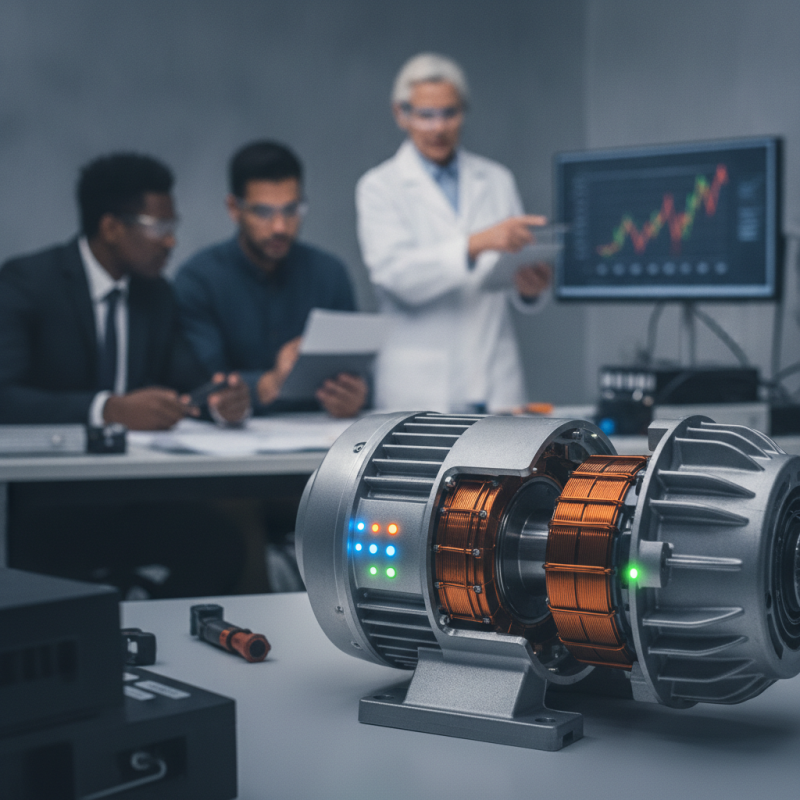
Top 10 Tips to Improve Electric Motor Performance?

Understanding Electric Motor Efficiency Ratings and Their Importance

Electric motor efficiency ratings are critical for optimizing performance. These ratings indicate how much of the electrical energy is converted into mechanical energy. According to the U.S. Department of Energy, a 1% increase in efficiency can lead to savings of up to $50 per motor each year for an average motor. Understanding these ratings helps manufacturers and users select the right motor for their applications, ultimately improving overall system efficiency.

Factors affecting motor efficiency include design, load conditions, and operating temperature. Electric motors running at different loads will exhibit varying efficiency levels. Research from the Electric Power Research Institute shows that motors operate at peak efficiency only within a specific load range. Operating a motor below or above this range can waste energy and reduce its lifespan. Regular maintenance and monitoring can address these issues, but many organizations overlook this aspect, leading to unplanned downtimes and higher operational costs.

In addition, the significance of proper sizing cannot be overstated. Oversized motors often draw unnecessary energy during low-demand periods. This mismatch can reduce performance and affect system reliability. An analysis conducted by the Motor & Equipment Manufacturers Association highlights that improper motor sizing accounts for nearly 40% of efficiency losses in industrial settings. Practicing caution and rigor in motor selection can yield better performance and energy savings.

Top 10 Tips to Improve Electric Motor Performance

Tip Description Efficiency Rating Impact
1. Regular Maintenance Perform routine checks and servicing to ensure optimal performance. Improves overall efficiency and reduces downtime.
2. Optimize Load Conditions Ensure the motor is not overloaded and is running within its rated capacity. Enhances performance while minimizing heat generation.
3. Improve Cooling Systems Implement better cooling solutions like fans or heat sinks. Prevents overheating, thus maintaining efficiency.
4. Use High-Quality Bearings Select bearings that reduce friction and extend motor lifespan. Reduces energy loss, improving overall efficiency.
5. Monitor Vibration Levels Use sensors to measure vibrations and identify issues early. Helps prevent inefficiencies caused by mechanical failures.
6. Upgrade to Variable Speed Drives Implement VSDs to adjust motor speed based on load requirements. Increases efficiency by matching output to demand.
7. Clean Motor Components Regularly clean dust and debris from motor parts. Maintains cooling efficiency and overall performance.
8. Ensure Proper Alignment Check and adjust alignment of couplings and shafts. Reduces wear and increases efficiency.
9. Select Appropriate Motor Size Choose a motor that fits the application demands without excess capacity. Maximizes efficiency and prevents energy waste.
10. Invest in Quality Components Use high-grade materials and components to enhance durability. Improves longevity and maintains optimal efficiency.

Key Factors in Selecting the Right Electric Motor for Your Application

Selecting the right electric motor is crucial for optimizing performance. Various factors contribute to this decision, including motor type, efficiency, and application requirements. According to industry studies, inefficient motors can lead to energy losses up to 30%. This illustrates the importance of careful selection in enhancing overall system efficiency.

Tip 1: Consider the motor's efficiency rating. High-efficiency motors not only reduce energy consumption but also lower operational costs. Many applications benefit from motors with efficiency ratings exceeding 90%.

Motor type is another key factor. Induction motors are common, but for specific tasks, the precision of synchronous motors may be necessary. Each motor type has its advantages that should align with your application needs.

Tip 2: Analyze your load requirements. A motor must match its torque and speed to the application's demands. Oversizing can lead to inefficiencies, while undersizing can cause overheating and early failure.

Lastly, ensure compatibility with control systems. Modern motors often integrate with smart technologies for better performance monitoring.

Tip 3: Assess the environmental conditions where the motor will operate. Factors like temperature, humidity, and exposure to chemicals can affect performance and durability. Selecting a motor suited for specific conditions can prevent premature wear.

Understanding these factors ensures a well-informed decision, ultimately leading to improved motor performance and reliability.

Regular Maintenance Practices to Extend Electric Motor Lifespan

Regular maintenance practices are essential for extending the lifespan of electric motors. According to the Electric Power Research Institute, motors that are well-maintained can last up to 30% longer than those that are neglected. Simple tasks like checking vibration levels can identify issues early, possibly saving costly repairs later. This proactive measure is backed by findings from the International Electrotechnical Commission, which states that over 40% of motor failures arise from mechanical issues.

Lubrication is another critical facet of maintenance. For instance, insufficient lubrication can lead to increased wear and overheating. Industry data suggests that motors should be lubricated every six months to maintain optimal performance. However, it is essential to avoid over-lubricating, as that can also cause problems. Over time, many maintenance routines become routine, leading to oversight. Regular staff training can help refresh knowledge and emphasize the importance of meticulous monitoring.

Temperature monitoring also plays a vital role. Motors operating above their rated temperature can significantly reduce lifespan, potentially by half.Using thermal imaging can provide detailed insights, but some operators may overlook this technology. Not all facilities utilize it, leading to preventable failures. A culture of maintenance awareness can help address these gaps, ensuring motors keep running efficiently for years.

Impact of Proper Cooling Systems on Electric Motor Performance

Proper cooling systems are crucial for enhancing electric motor performance. When motors operate, they generate heat. Excessive heat can lead to decreased efficiency and lifespan. According to electrical engineering studies, a motor can lose up to 5% efficiency with every 10°C rise in temperature. This becomes critical in high-performance applications where precision is essential.

In many cases, inadequate cooling leads to serious issues. Heat build-up can cause insulation breakdown, resulting in motor failure. Research shows that implementing adequate cooling methods can improve electric motor lifespan by up to 30%. Liquid cooling systems or advanced air ventilation can be effective. These methods ensure consistent operation and help maintain optimal performance.

However, selecting a proper cooling system is not straightforward. Factors like motor size, application, and operating environment can complicate the decision. Designing an effective cooling approach often requires trial and error. Some systems may be over-engineered, leading to unnecessary costs and complexity. Balancing cooling efficiency and installation practicality is a constant challenge for engineers in this field.

Utilizing Advanced Control Techniques for Enhanced Motor Operation

Electric motors are critical in various applications, and optimizing their performance is essential. Advanced control techniques can significantly enhance motor operation, offering greater efficiency and reliability. By employing methods such as vector control and pulse width modulation, users can achieve smoother starts and improved torque response. These techniques allow for real-time adjustments, making motors more adaptable to changing operational demands.

To improve performance, consider these tips. First, implement a closed-loop control system. This provides continuous feedback on the motor’s performance. It can enhance responsiveness and precision. Next, optimize the motor's load conditions. Running a motor at its rated load ensures it operates efficiently. Overloading can cause overheating and premature failure.

Another tip focuses on regular maintenance. Monitoring wear and tear helps identify issues early. Using sensors can provide data on motor health. Understanding this data is critical for making informed adjustments. Each of these strategies can lead to noticeable improvements. However, challenges may arise, requiring ongoing evaluation and adjustments. Learning from these experiences is vital for long-term success.

Top 10 Tips to Improve Electric Motor Performance

This chart illustrates the impact of various advanced control techniques on the performance of electric motors, showcasing the percentage improvements in efficiency, torque, and lifespan.

FAQS

: Why is selecting the right electric motor important?

: Choosing the right motor enhances performance and reduces energy losses, which can reach 30% with inefficient motors.

How do I determine the motor's efficiency?

Look for efficiency ratings. Motors above 90% are often more beneficial in reducing energy consumption and costs.

What should I consider regarding load requirements?

Match the motor's torque and speed with application demands. Oversizing or undersizing can lead to inefficiency or early failure.

Why is compatibility with control systems important?

Modern motors integrate with smart technologies, aiding performance monitoring and improving overall efficiency.

How can environmental conditions affect motor performance?

Temperature, humidity, and chemical exposure can impact durability. Choose motors suited for specific conditions to prevent wear.

What maintenance practices extend an electric motor's lifespan?

Regular checks on vibration levels and lubrication every six months can help, but avoid over-lubrication which can cause issues.

Why is temperature monitoring crucial for motors?

Operating above rated temperatures can halve a motor's lifespan. Using thermal imaging is effective but sometimes overlooked.

How do advanced control techniques enhance motor operation?

Techniques like vector control allow real-time adjustments, improving torque response and overall adaptability to changing demands.

What should I do to improve motor performance?

Implement closed-loop control systems and monitor load conditions to ensure efficient operation and prevent overheating.

What challenges might occur with motor optimization?

Continuous evaluation and adjustments may be needed. Learning from experiences is essential for achieving long-term effectiveness.

Conclusion

Improving electric motor performance is essential for maximizing efficiency and extending the lifespan of your equipment. Understanding electric motor efficiency ratings is crucial as it helps in selecting motors that best fit specific applications. Key factors include load requirements and operating conditions, which ensure optimal performance. Regular maintenance practices, such as lubrication and alignment checks, are vital for preventing wear and tear.

Additionally, proper cooling systems significantly impact motor performance by preventing overheating, thus ensuring efficient operation. Employing advanced control techniques, like variable frequency drives, can further enhance motor operation by allowing precise speed and torque adjustments. By focusing on these aspects, you can effectively learn how to improve electric motor performance, ensuring reliability and longevity in your applications.

Liam

Liam

Liam is a dedicated marketing professional with a profound expertise in the industry, where he excels at highlighting the unique advantages of our core products. With a keen understanding of market trends and consumer needs, Liam frequently updates our company’s professional blog, providing......