Improving an electric motor is rarely about one dramatic change. It usually begins with careful measurements: current, voltage, temperature, vibration, and operating load. The measurement principle associated with engineer and physicist Lord Kelvin captures this well: “To measure is to know.” Applied to motor performance, it means checking real operating conditions before changing components or settings.
This guide explores how to improve electric motor performance through practical steps, from selecting the right motor and reducing mechanical friction to improving cooling and maintaining alignment. A motor running hot beside a dusty air intake, for example, may need better airflow before it needs a replacement. Small details matter. A loose coupling or an oversized motor can quietly waste energy across long operating hours.
The best results come from matching each improvement to the motor’s actual duty cycle. Review nameplate data, inspect bearings, track temperature, and compare energy use before and after adjustments. Keep records. They make patterns easier to spot and help separate a lasting gain from a temporary one. Still, not every recommended measure will suit every facility. Some savings may be modest, and measurements can be imperfect. That is worth acknowledging. The following ten approaches offer a grounded starting point for improving efficiency, reliability, and useful service life without treating every motor as the same.
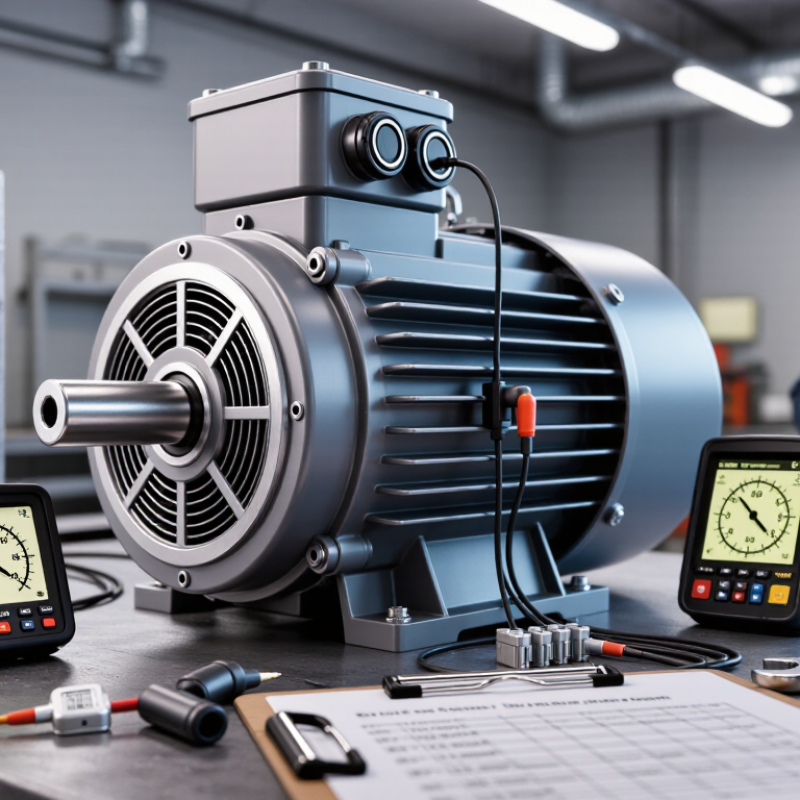
Before trying to improve an electric motor, document how it actually operates. Record supply voltage, current, shaft speed, load, and operating hours during a typical shift. Note the ambient temperature and whether the motor starts frequently or runs continuously. Small details matter. A motor beside a dusty intake may behave differently from one in a clean, open room.
Establish a baseline under a known, representative load. Use the same measurement points and instruments each time, and note when readings were taken. Check for unusual vibration, bearing noise, hot spots, or a strong electrical smell. Compare readings with the motor’s nameplate ratings and maintenance records; do not assume a single measurement tells the whole story. The first reading may be messy. Write down what was happening rather than quietly discarding an inconvenient result.
Look for patterns across several operating cycles. A current increase during heavy production may be normal, while rising current at the same load deserves investigation. Temperature readings are useful only when conditions are comparable, so record room temperature and measurement location. If results vary, repeat the checks before changing settings or components. A careful baseline gives later adjustments a fair test and helps separate real improvement from ordinary changes in workload.
Representative baseline for a 7.5 kW, three-phase, four-pole induction motor operating on a 400 V, 50 Hz supply. Figures are realistic example readings, not measurements from a specific site; verify them under stable operating conditions before making decisions.
| Assessment Area | How to Measure | Example Baseline | What to Check | Performance Improvement Opportunity |
|---|---|---|---|---|
| 1. Motor identification and rating | Record the nameplate rating, motor type, rated voltage, frequency, speed, current, and duty. | 7.5 kW; 400 V; 50 Hz; 4-pole; rated speed 1,470 rpm; continuous-duty rating. | Confirm that the installed motor rating and duty suit the driven equipment and supply. | Correct motor-selection or duty mismatches before adjusting controls or replacing equipment. |
| 2. Load level | Measure shaft load where practical, or estimate output from calibrated electrical measurements and motor data. | Estimated shaft output: 5.5 kW, approximately 73% of the 7.5 kW rated output. | Check for sustained operation at very low load, overload, or substantial variation across shifts. | Match motor size to the actual load; investigate process or mechanical causes of unnecessary load. |
| 3. Supply voltage and balance | Measure line-to-line voltage at the motor terminals while it is running under a representative load. | 398 V, 401 V, and 399 V; average 399.3 V; maximum deviation from average approximately 0.33%. | Compare voltage with the motor nameplate and check for phase imbalance, loose connections, or voltage drop. | Correct supply or connection issues; voltage imbalance can increase current imbalance and motor heating. |
| 4. Phase current and balance | Use a true-RMS clamp meter or power analyzer to measure all three phase currents simultaneously. | 10.8 A, 10.6 A, and 10.9 A; average 10.77 A; current imbalance approximately 1.24%. | Compare with rated current and previous readings; investigate unexpected imbalance or rising current. | Inspect connections, supply balance, winding condition, and load distribution before changing motor settings. |
| 5. Input power and power factor | Use a three-phase power analyzer at the motor feeder; record real power, apparent power, and power factor. | Approximately 6.3 kW input power and 0.82 power factor at the example operating point. | Use real power rather than current alone to assess energy use; compare readings at similar loads. | Review system-level power-factor correction where appropriate; do not add correction capacitors without an engineering assessment. |
| 6. Efficiency baseline | Compare measured electrical input with a reliable estimate or measurement of mechanical output at the same operating point. | Estimated efficiency: 5.5 kW output ÷ 6.3 kW input, or approximately 87%. | Account for measurement uncertainty and avoid comparing efficiency values taken at different loads. | Use the baseline to evaluate maintenance, operating changes, or a correctly sized high-efficiency replacement. |
| 7. Speed and operating frequency | Measure shaft speed with a non-contact tachometer and record supply or drive frequency. | Approximately 1,472 rpm at 50 Hz; close to the expected loaded speed for a four-pole induction motor. | Look for unexpected speed changes, belt slip, process variation, or a drive frequency that differs from the intended setting. | Confirm that the process does not require unnecessary speed; consider a properly engineered variable-speed control where suitable. |
| 8. Temperature and cooling | Record ambient temperature and use a contact or infrared instrument to check the frame, air inlets, and accessible bearings. | Ambient: 29°C; frame surface: 76°C; bearing housing: 61°C after reaching stable operation. | Trend readings under comparable load and ambient conditions; check blocked vents, fan condition, and unusual hot spots. | Restore airflow and remove contamination; investigate abnormal temperature increases rather than relying on a single reading. |
| 9. Vibration and mechanical condition | Measure vibration velocity in mm/s RMS at consistent bearing locations and directions. | Example overall reading: 2.1 mm/s RMS at the drive-end bearing location. | Compare with the machine’s history and applicable acceptance criteria; inspect alignment, balance, looseness, and bearings. | Correct mechanical defects that increase vibration, noise, bearing load, or energy consumption. |
| 10. Operating profile and runtime | Log operating hours, starts, idle periods, load variation, and process demand over a representative period. | Example profile: 6,200 operating hours per year, with production demand varying by shift. | Identify avoidable running during idle periods, frequent starts, and times when demand is consistently below normal. | Coordinate shutdowns and process controls; assess whether load scheduling or speed control can reduce energy use without harming the process. |
Record voltage, current, shaft speed, load, and operating hours during a typical shift. Note room temperature and how often the motor starts.
A baseline helps separate real improvement from changing workloads. Use the same instruments and measurement points each time.
Watch for unusual vibration, bearing noise, hot spots, or a strong electrical smell. One reading rarely tells the whole story.
Compare readings at the same load across several operating cycles. Higher current during heavier production may be normal; rising current at steady load deserves investigation.
Check three-phase voltage balance, current, and terminal temperatures. Unequal voltage can increase winding heat, while misaligned shafts may add vibration and bearing wear.
Clear dust from air inlets and clean blocked cooling fins. Check lubrication before replacing bearings. Too much grease is not maintenance.
It may reduce throttling losses in pumps and fans with changing demand. Check load patterns, harmonics, and motor cooling before adding a drive.
Repeat checks under comparable conditions, including room temperature and measurement location. The first reading may be messy; write down what was happening instead of discarding it.
Improving electric motor performance begins with understanding how the motor operates. Establish a baseline by reviewing its load, operating speed, duty cycle, energy use, vibration, and temperature. Compare these measurements with the motor’s intended operating conditions to identify issues such as overloading, inefficient operation, or unsuitable control settings. Then optimize the power supply and drive configuration, ensuring that voltage, frequency, and control parameters are appropriate for the application.
Effective thermal management and loss reduction can further improve efficiency and reliability. Keep cooling paths clear, provide adequate ventilation, and address excessive heat before it shortens component life. Reduce electrical and mechanical losses by checking connections, alignment, bearings, and other parts for wear or unnecessary friction. A preventive maintenance plan, supported by regular performance monitoring, helps detect changes early and maintain consistent operation. Together, these practical steps offer a clear approach to how to improve electric motor performance while supporting dependable service and more efficient energy use.

 RedCat Motors