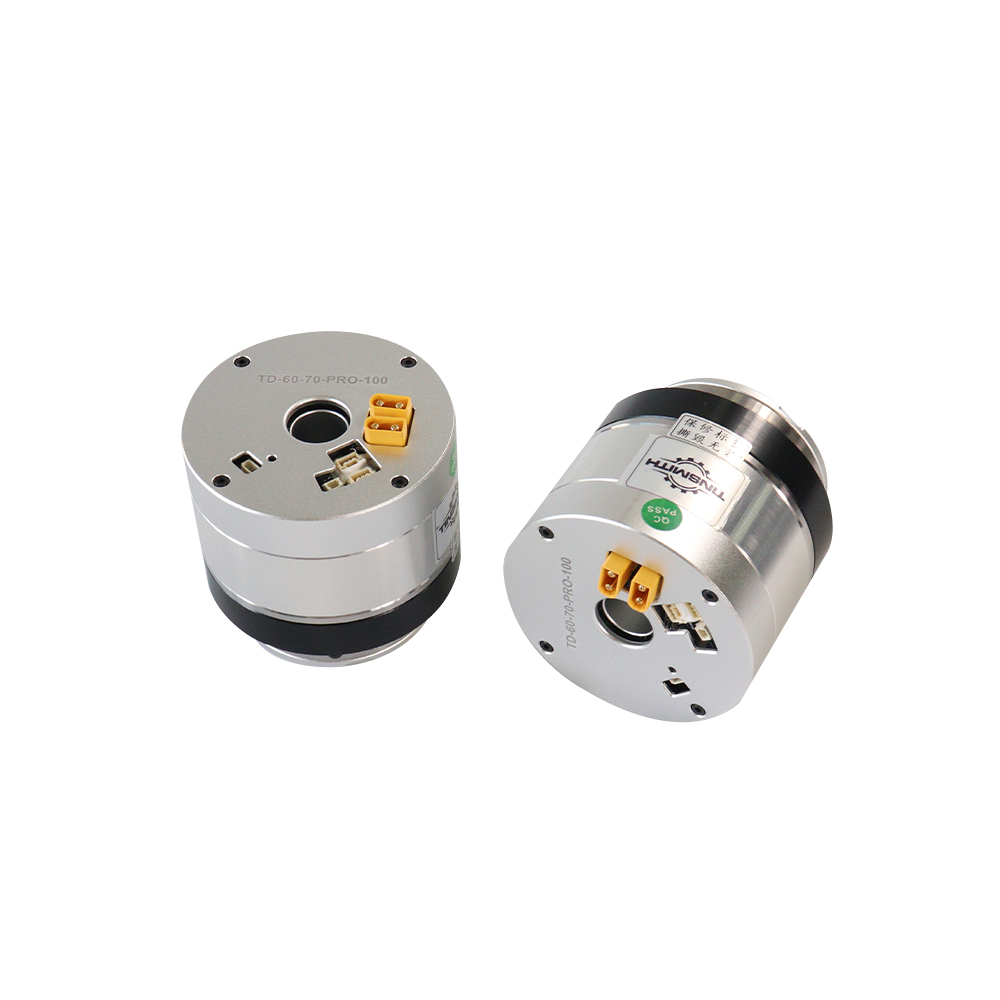
Bldc Frameless Motor Hollow Shaft Turntable Motor Co-bot Robot Joint Module Reducer Servo Motor 300w

Product Description

📦
Products Description
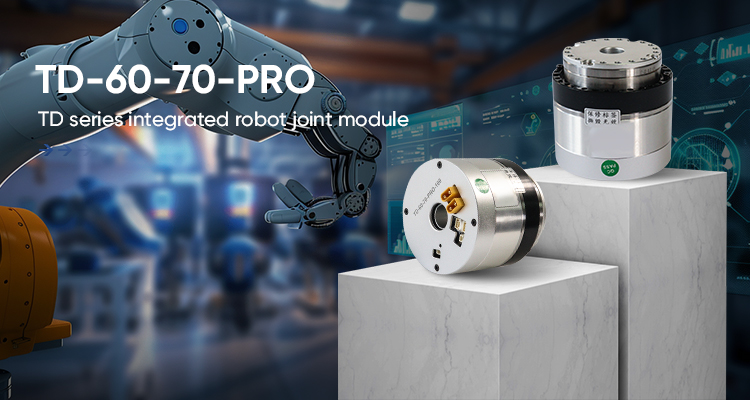
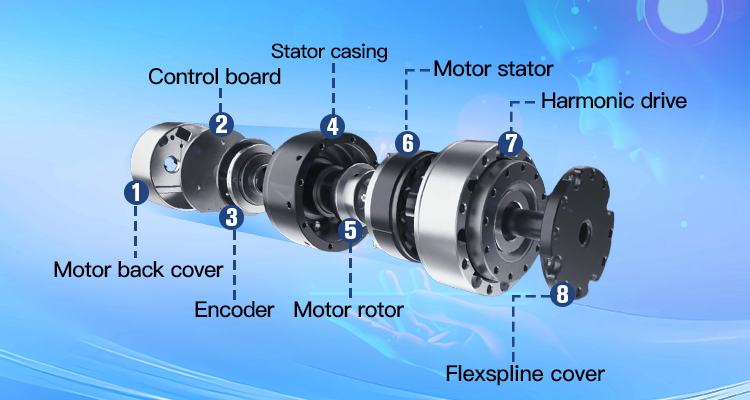
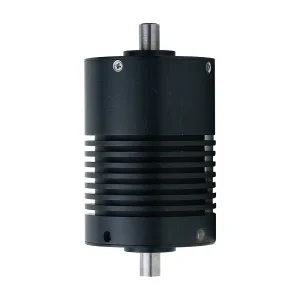
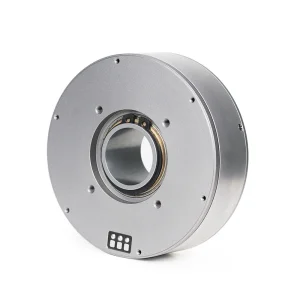
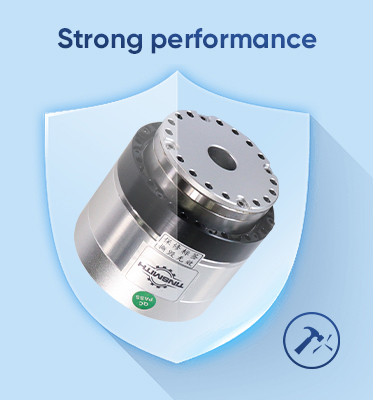
Robot Joint Module
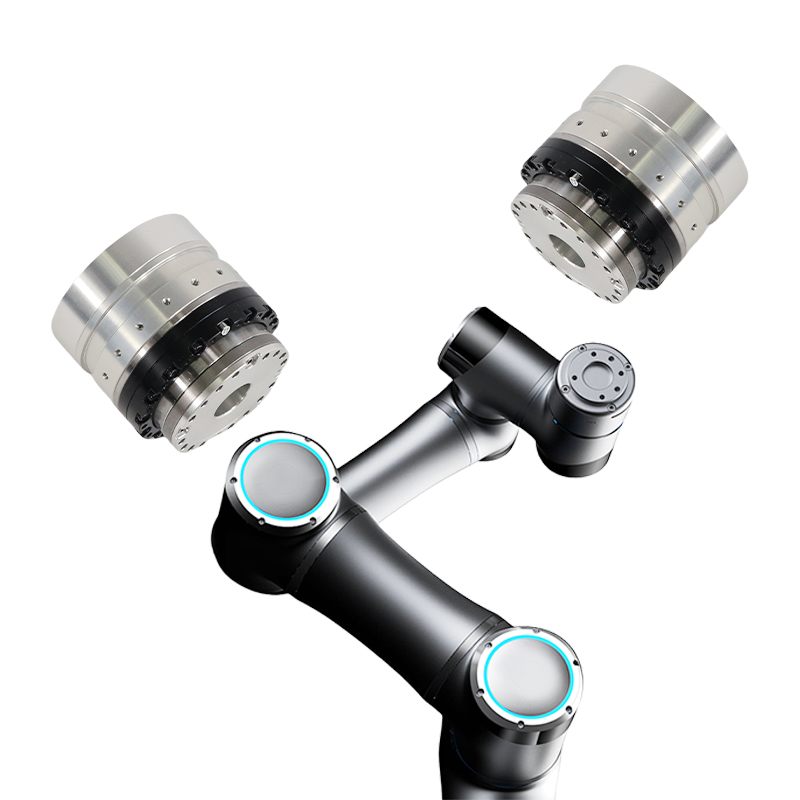
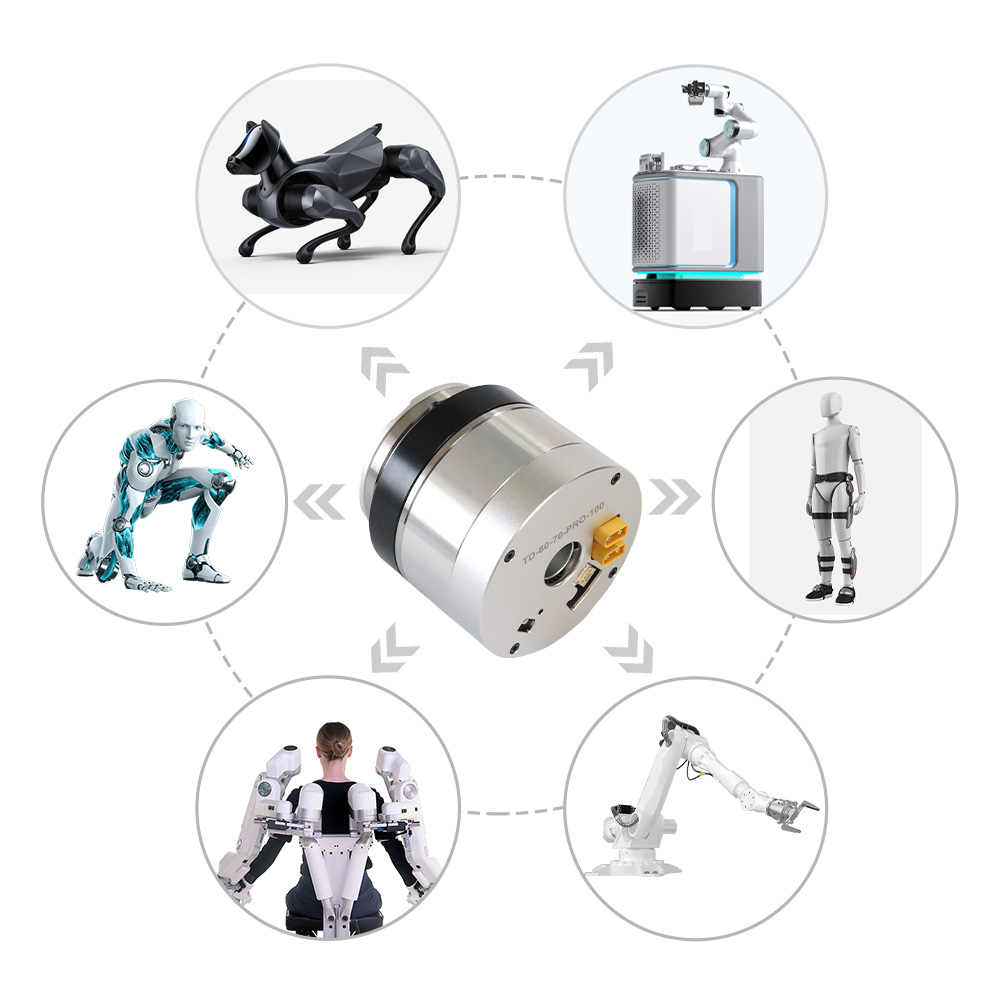
This kind of robot joint modules can be used in robots, humanoid robots, and exoskeletons, helping us to quickly build robot arms and greatly shorten the development cycle. The compact robot joint actuators are widely used for Pan and tilt systems, laser measurement technology, antenna and camera positioning, and radar systems.
📊
Product Parameters
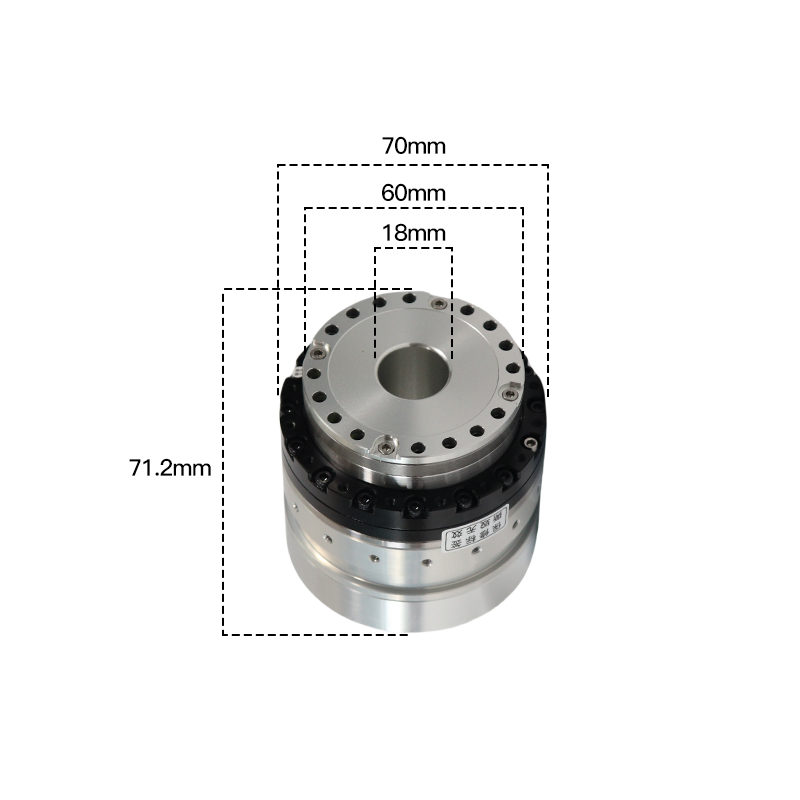
Actuator Dimensions
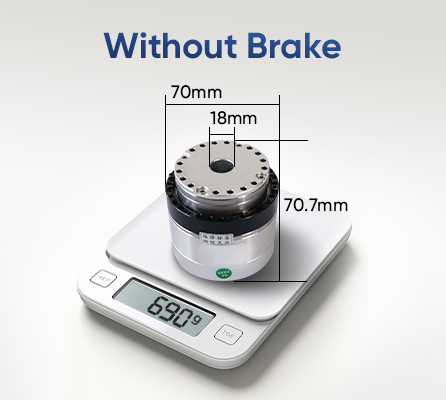
Model:Without brake
Outer diameter:70mm
Middle hole:18mm
Height:70.7mm
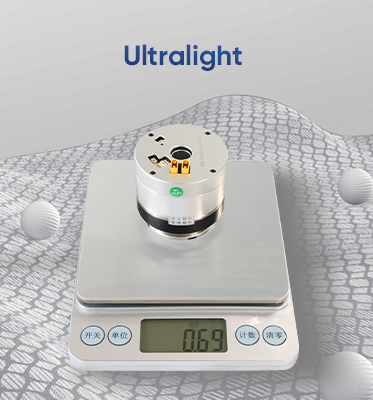
Weight:690g (without brake)
Reduction ratio 51 81 101 121
Start-stop peak Torque (N.m) 42 53 66 66
Max. allowable torque at average load (N.m) 32 33 49 49
Rated torque at 2000 rpm / (reduction ratio) (N.m) 19.8 27.5 30 30
Output Peak Speed (RPM) 82 51 41 32
Rated speed (RPM) (With 1/2 rated torque) 68 43 34 24
Motor power (W) 300
Supply voltage (V) 24-48
Resistance (Ω) 0.33
Encoder Resolution (Bit) 17
Communication bus CAN
Torque constant (N.m/A) 0.096
Inductance (mH) 0.074
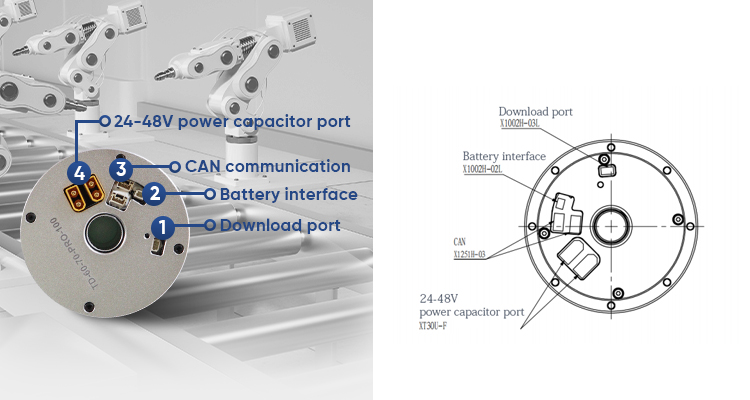
Technical Drawing 1
Technical Drawing 2
🚀
Product Advantages
Advantage 1
Advantage 2
Extreme Lightweight Availability

Reduce weight by more than 1/3 and greatly reduce operating energy consumption.

Advanced Communication

Optional EtherCAT, CANopen, CANbus protocols. Position, Speed, and Current loop PID are adjustable in real-time. Built-in dual 24 bits+24 bits absolute encoders.
Advantage 3
Advantage 4
Industrial Standards

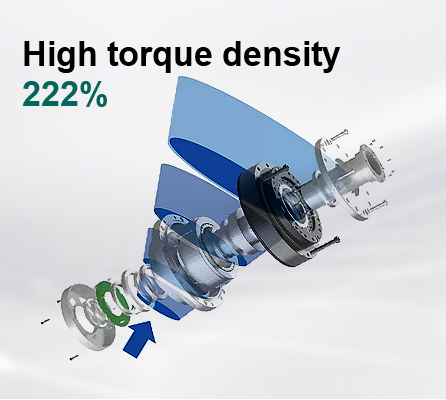
Torque density is twice that of similar products. Features anti-static car grade and high-grade anti-vibration performance.

High Performance Design

Peak torque density >220Nm/kg with high saturation magnetic induction strength alloy, block type stator winding, and lightweight housing design.

🛠️
Product Application
Applications
Widely used in collaborative robotic arms, medical devices, industrial automation, intelligent manufacturing, and other advanced fields.
Frequently Asked Questions
What are the primary applications for these joint modules?
These modules are ideal for collaborative robotic arms, humanoid robots, exoskeletons, medical devices, and precision positioning systems like laser measurement and radar.
What communication protocols do the actuators support?
The system supports optional EtherCAT, CANopen, and CANbus communication protocols for flexible integration.
What is the voltage range required for operation?
The supply voltage for these robot joint modules ranges from 24V to 48V.
How does the lightweight design benefit the user?
Our design reduces the weight by more than 1/3 compared to standard modules, which significantly lowers operating energy consumption and increases mobility.
What is the encoder resolution used in these modules?
The modules feature high-precision feedback with built-in 17-bit or dual 24-bit absolute encoders for accurate positioning.
Are these modules resistant to environmental factors?
Yes, they are designed to industrial-grade standards, including anti-static car-grade protection and high-grade anti-vibration durability.

Related Products