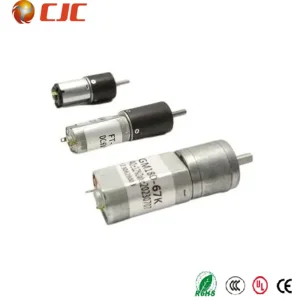
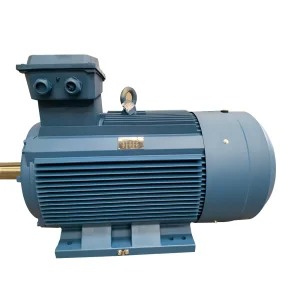
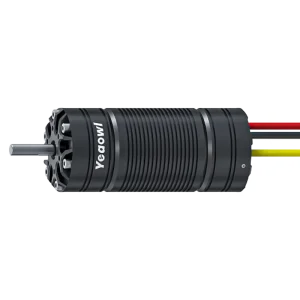
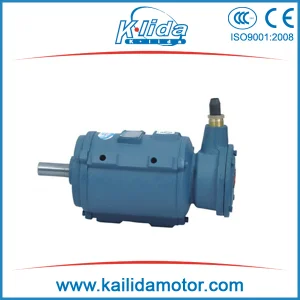
High-precision motors for automation and motion control
In the current era of precision engineering and tactile feedback integration, the global vibration motor market has transitioned from simple notification components to sophisticated haptic feedback systems. As a critical subset of motion control technology, vibration motors—including ERM (Eccentric Rotating Mass), LRA (Linear Resonant Actuators), and Piezoelectric actuators—are now fundamental to sectors ranging from medical diagnostic tools to automotive safety interfaces.
This whitepaper provides an in-depth analysis of the top 10 vibration motor manufacturers and suppliers, evaluating them through the lens of technical innovation, manufacturing scale, and supply chain reliability. For procurement officers and R&D engineers, selecting the right partner means balancing torque density, power consumption, and MTBF (Mean Time Between Failure) metrics.
Eccentric Rotating Mass motors remain the workhorse for industrial alerts. Innovation focuses on miniaturization (down to 4mm diameter) and brush material durability using precious metal alloys.
Linear Resonant Actuators offer superior response times and longer lifecycles. The current trend is Z-axis vibration for ultra-thin wearables and high-end automotive touchscreens.
Integration of dedicated haptic driver ICs that provide automatic resonance tracking, ensuring consistent vibration strength regardless of battery voltage fluctuations.
The future roadmap is clearly steering toward HD Haptics. This involves using high-bandwidth actuators that can simulate complex textures and button clicks, moving beyond simple "buzzes." Leading suppliers are now providing full software-hardware stacks to help OEMs implement these features with minimal latency.
Procuring vibration motors at scale requires more than just looking at unit price. Our research into top-tier manufacturers reveals four pillars of a resilient supply chain:
Verify ISO 9001:2015, IATF 16949 (for automotive), and RoHS/REACH compliance. Top suppliers provide full traceability for raw materials like neodymium magnets.
Over 70% of industrial applications require custom FPC (Flexible Printed Circuit) lengths, specific connectors, or unique mounting brackets (foam vs. rubber).
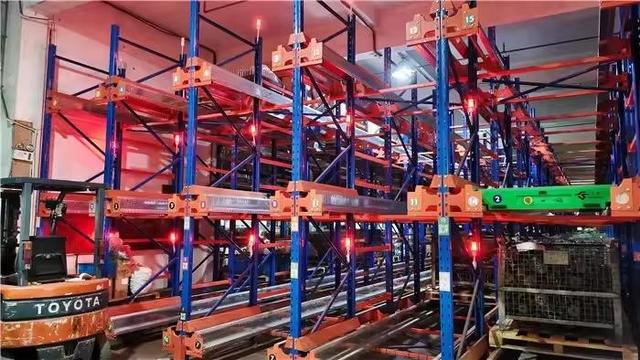
Given the volatility of the electronics market, top suppliers offer VMI (Vendor Managed Inventory) and maintain regional hubs in North America, Europe, and SE Asia.
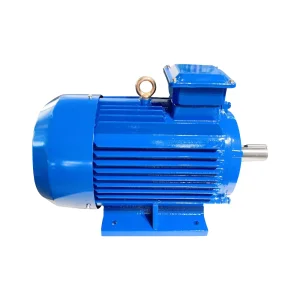
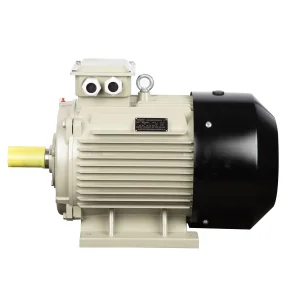
Foshan RedCat Motors Co., Ltd. is a professional manufacturer specializing in electric motors, motion control systems, and industrial automation solutions. Established in 2011 and located in Foshan, Guangdong Province, China, the company serves global customers with reliable motor technologies designed for manufacturing equipment, automation systems, robotics, material handling, packaging machinery, and smart industrial applications.
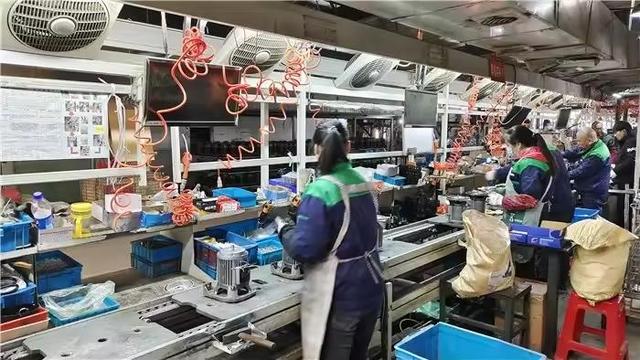
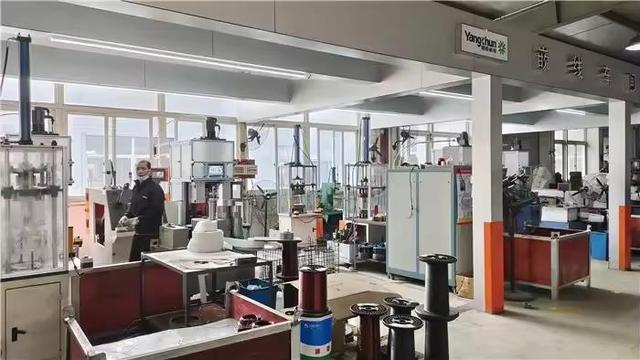
With a modern production facility covering more than 15,000 square meters and a workforce of over 220 employees, RedCat Motors combines engineering expertise with advanced manufacturing capabilities.
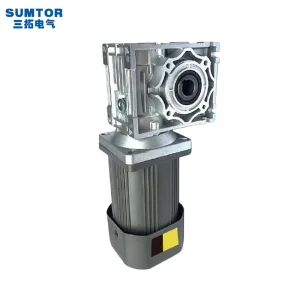
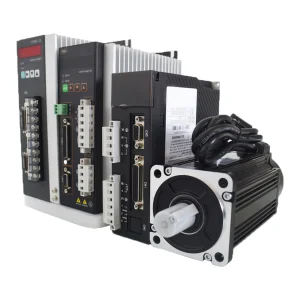
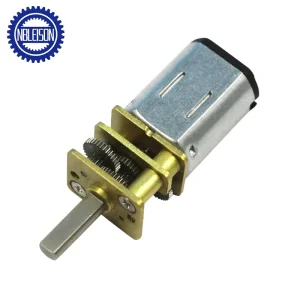
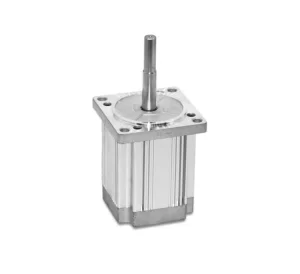
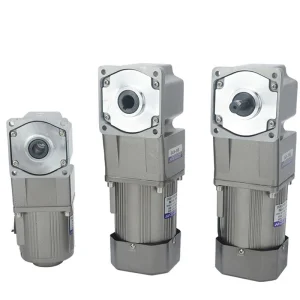
The company's product range includes servo motors, gear motors, brushless DC motors, stepper motors, permanent magnet motors, and customized motion control solutions widely used in CNC, medical, and textile machinery.
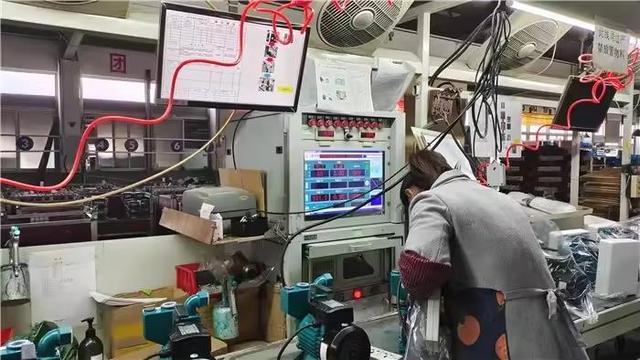
Strict quality control procedures are implemented throughout every stage of production, from component sourcing and assembly to final inspection and shipment.
RedCat Motors invests continuously in research, development, and quality management to meet the evolving demands of industrial automation. The company operates advanced motor production lines, precision machining centers, and comprehensive testing facilities to ensure consistent product performance and reliability. In addition to its standard product portfolio, RedCat Motors provides OEM and ODM manufacturing services, supporting customers with customized motor designs and private-label solutions.
Expert answers to common vibration motor procurement and technical queries
ERM (Eccentric Rotating Mass) motors use an unbalanced weight on a DC motor shaft to create vibration; they are cost-effective but have slower start/stop times. LRA (Linear Resonant Actuators) use a magnetic mass suspended by springs; they offer faster response times, longer life, and more focused haptic feedback but require an AC driver signal at a specific resonant frequency.
The vibration force (G) is typically calculated based on the mass of the end device. A general rule for handheld devices is 0.5G to 1.0G for simple alerts, while industrial panels may require 2.0G or higher. Force = (Mass of eccentric weight × Eccentricity × Square of Angular Velocity) / Total Device Mass.
The primary factors are brush wear (for brushed DC motors), bearing quality, and environmental sealing. For high-duty cycles, brushless DC vibration motors or LRAs are preferred due to the absence of mechanical wear on the commutator.
Yes, as a specialized manufacturer, RedCat Motors can customize windings for specific voltage inputs (e.g., 3V, 12V, 24V, or 220V/380V for industrial gear motors) to match your system’s power architecture.
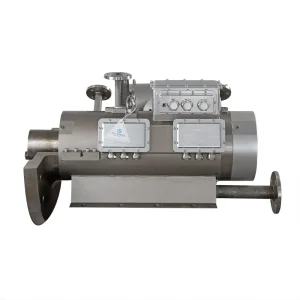
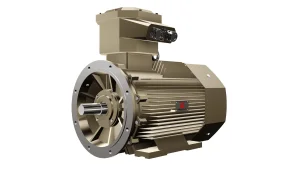
Certified solutions for hazardous and high-precision environments
 RedCat Motors