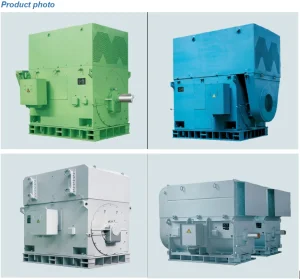
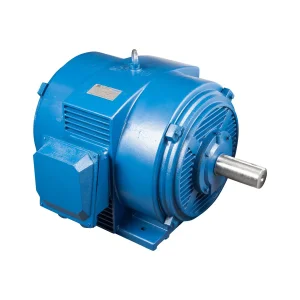
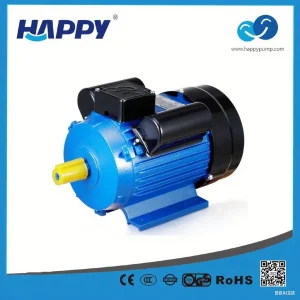
Product Description
| Product Name |
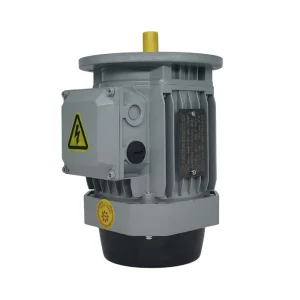
Hcm5 Ie5 Motor |
| Keywords |
Pmasynrm |
| Feature |
Rare Earth Free Motor |
| Technology |
Magnet-Assisted |
| Machine Type |
Three-Phase Motor |
| IEC Standard |
Ie5 |
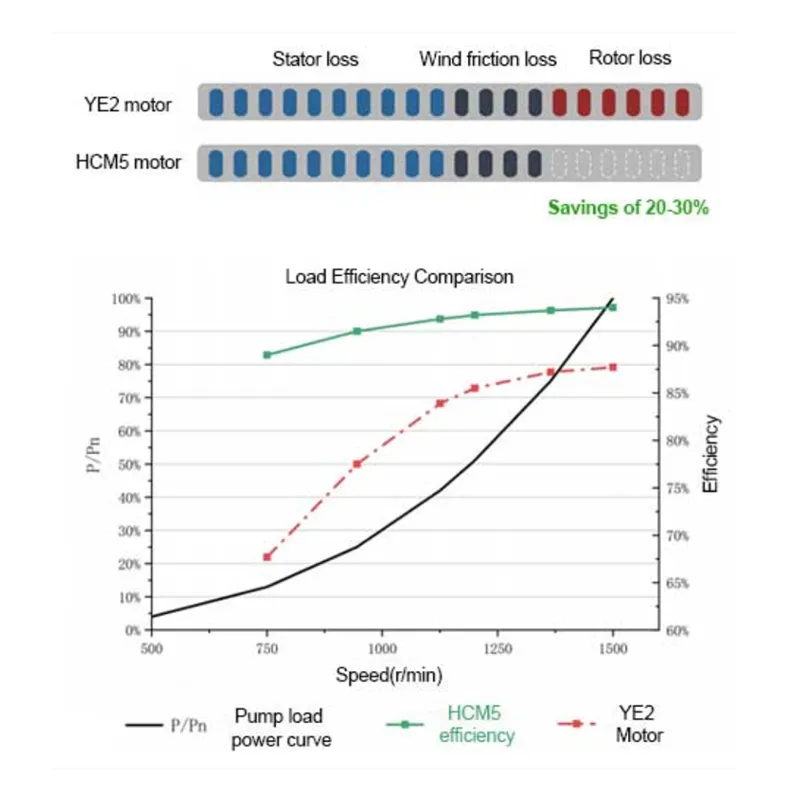
Product Parameters & Technology
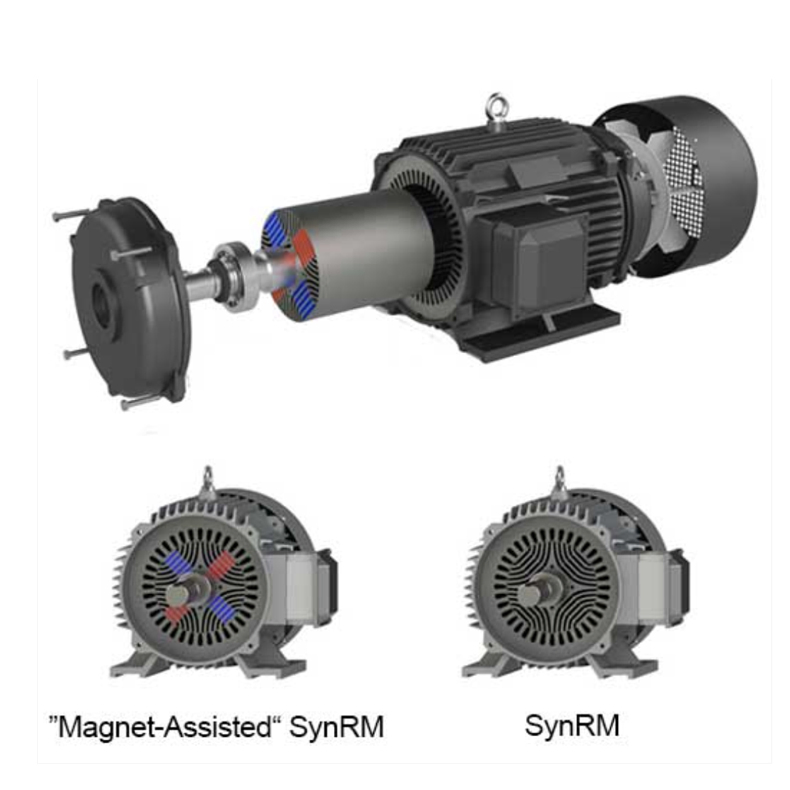
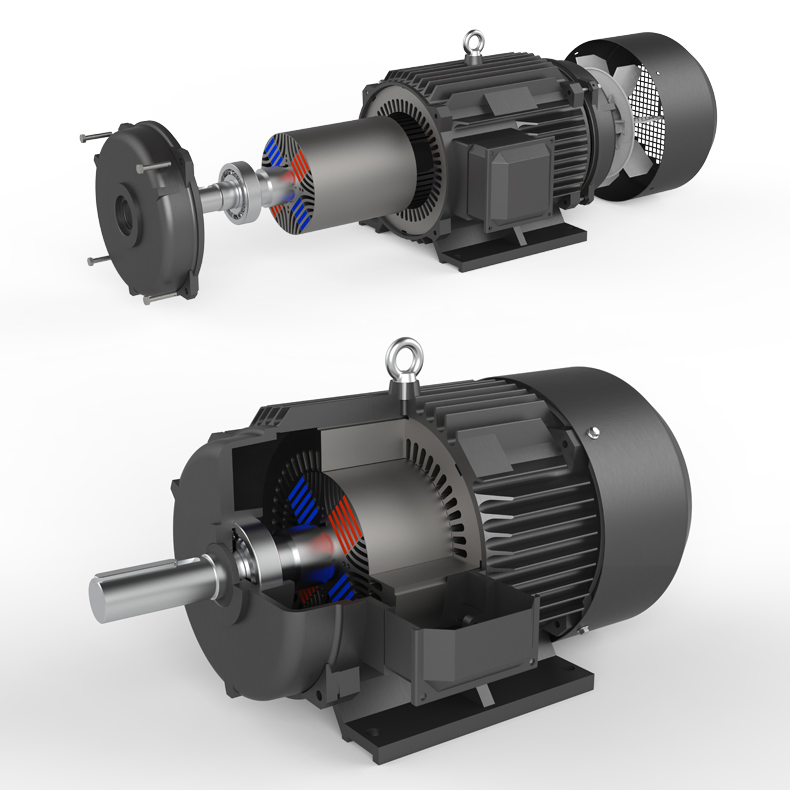
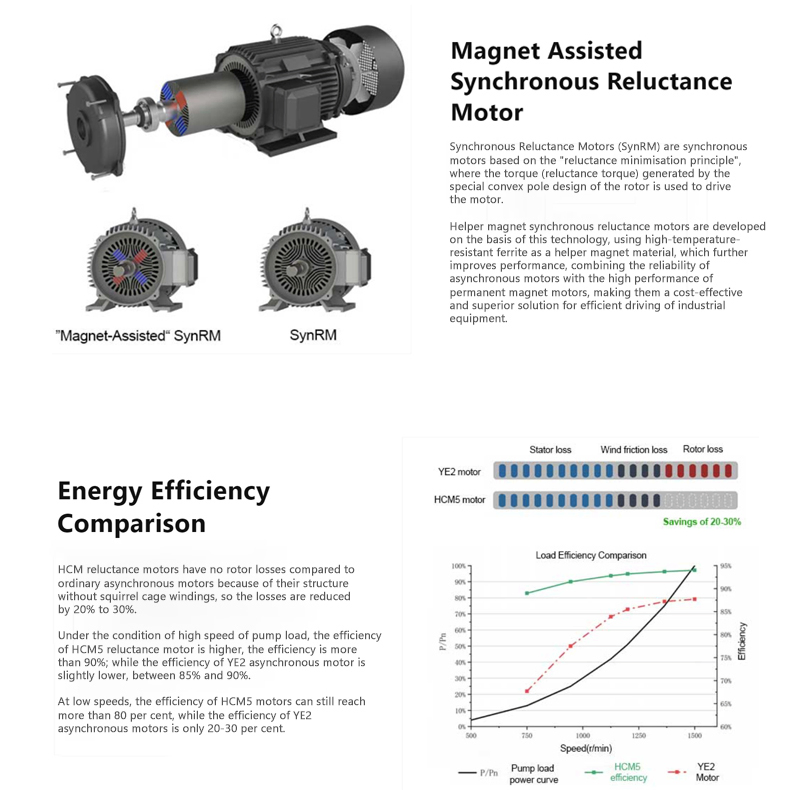
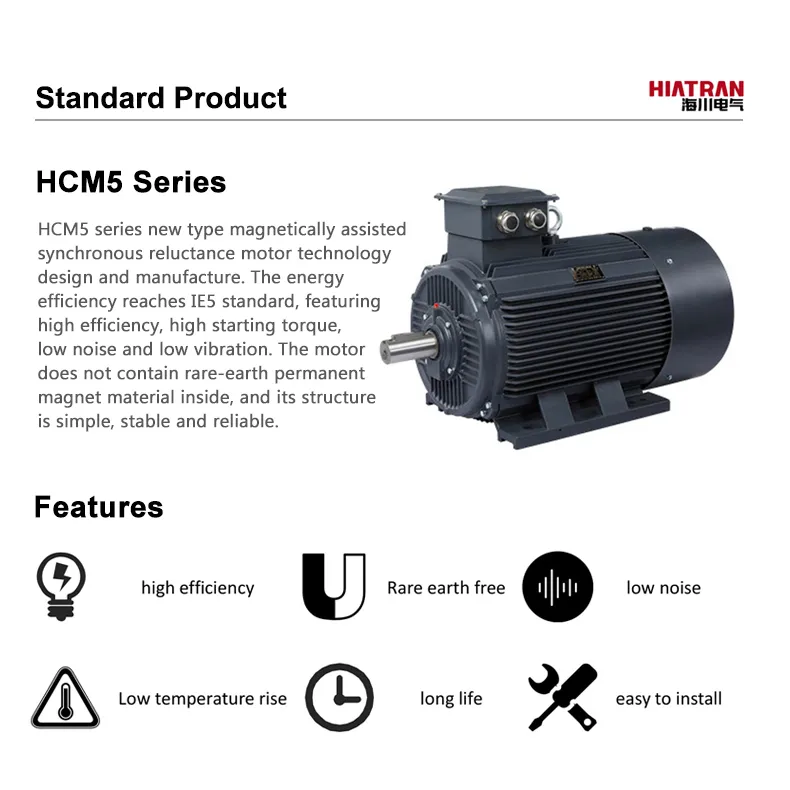
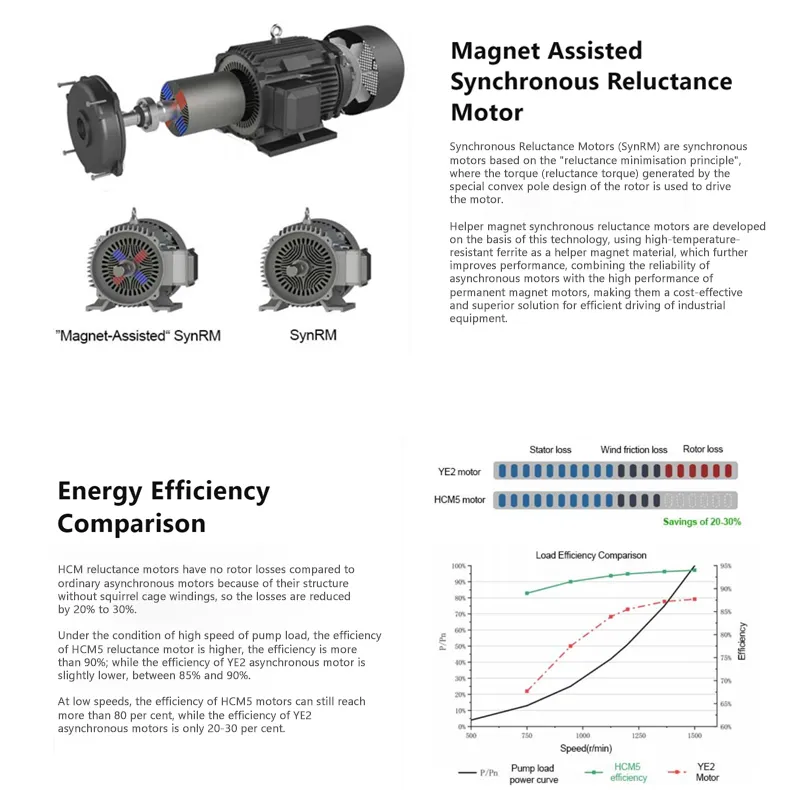
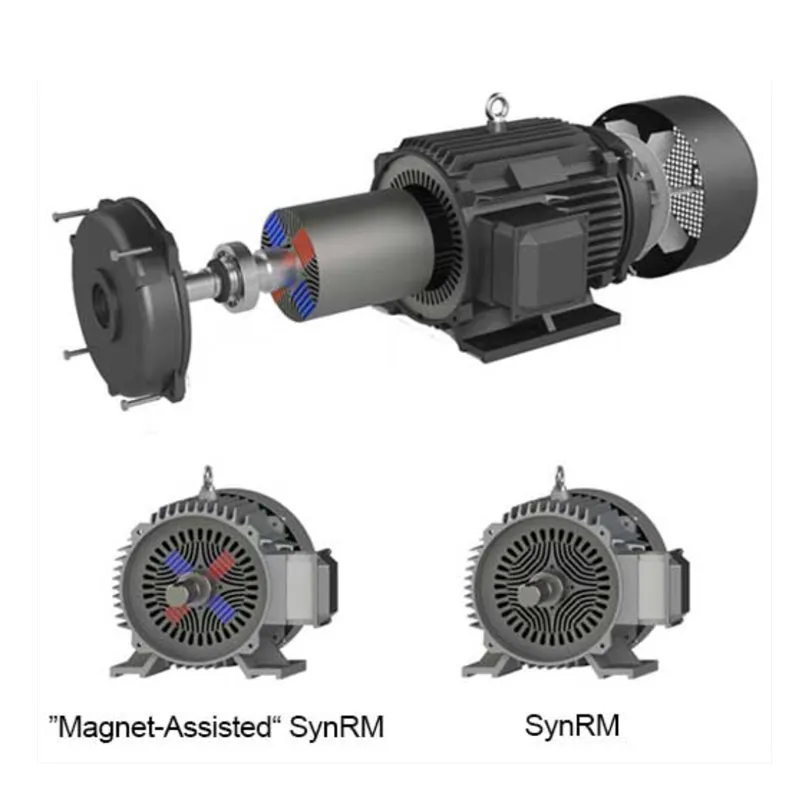
The magnet-assisted synchronous reluctance motor is an upgrade from the synchronous reluctance motor, which combines the features of synchronous reluctance motors (SynRM) and permanent magnet motors. Its basic principle is to achieve synchronous rotation of the rotor through the reluctance effect, while adding ferrite magnets inside the rotor to enhance performance.
Why Choose High-Efficiency Synchronous Motors?
💡 Advanced Flux Optimization
Precise design to optimize the flux path ensures maximum output with minimal energy loss.
💡 Technical Excellence
Backed by deep technical expertise and professional motor solutions for long-term maintenance.
💡 IE5 Energy Standards
Capable of achieving ultra-premium IE5 energy efficiency standards, utilizing advanced materials and manufacturing processes.
💡 Precision Control
Requires high-performance Variable Frequency Drives (VFDs) and specialized control algorithms for optimal operation.
Magnet-Assisted Synchronous Reluctance Motor Advantages
🚀 IE5 High Efficiency Energy Saving
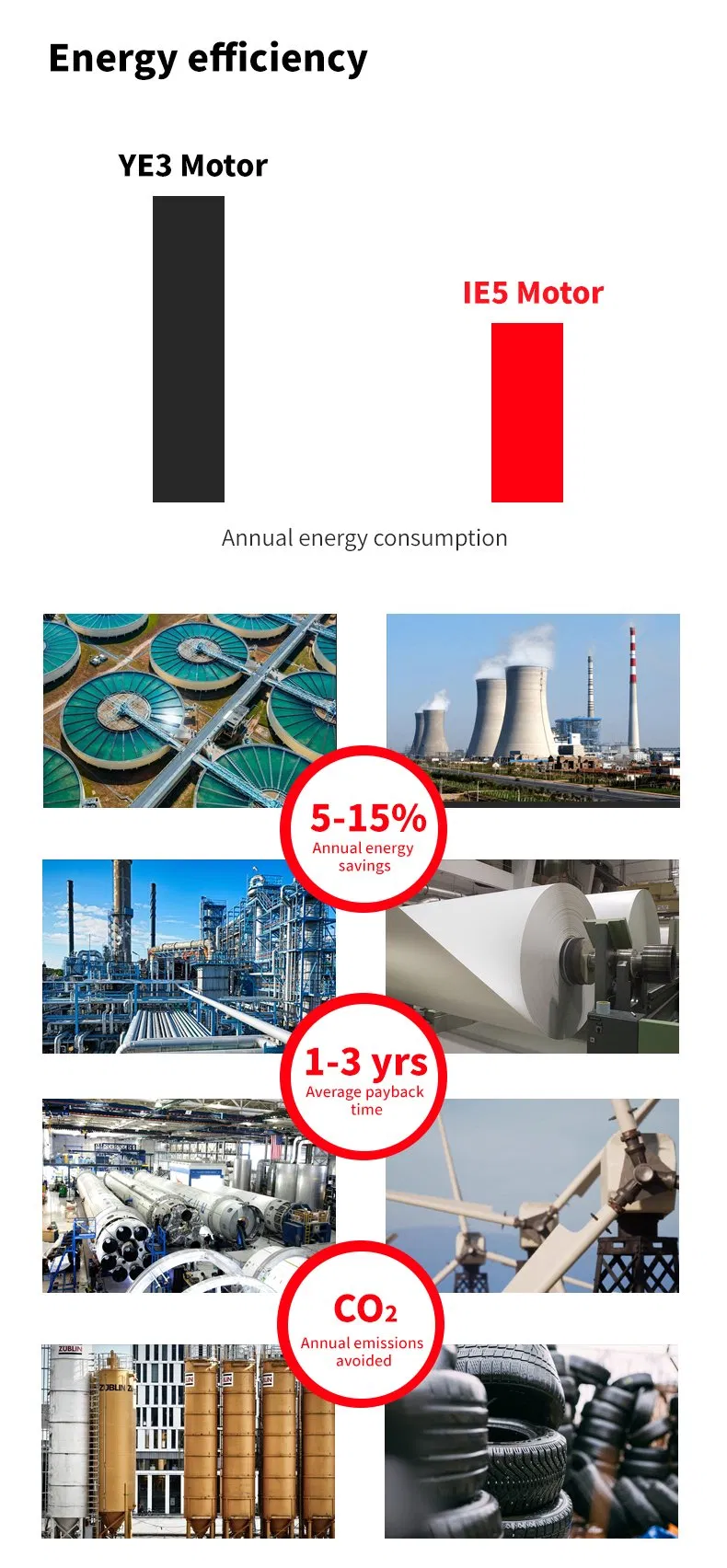
Reduces electric energy consumption by 15-45%. Ideal for long-term industrial equipment operation, with cost recovery within 1-3 years.
🛡️ High Reliability
Low loss simple structure. Ferrite permanent magnet material excitation eliminates high-temperature demagnetization risks.
💰 High Economy
No rare earth materials. Stable performance in high temperature, humidity, and corrosive environments with stable raw material pricing.
🌍 Reduced Carbon Footprint
Lower energy consumption per unit of production, aligning with green manufacturing and sustainability goals.
📈 Increase Productivity
High dynamic response reduces equipment downtime and increases overall operational productivity.
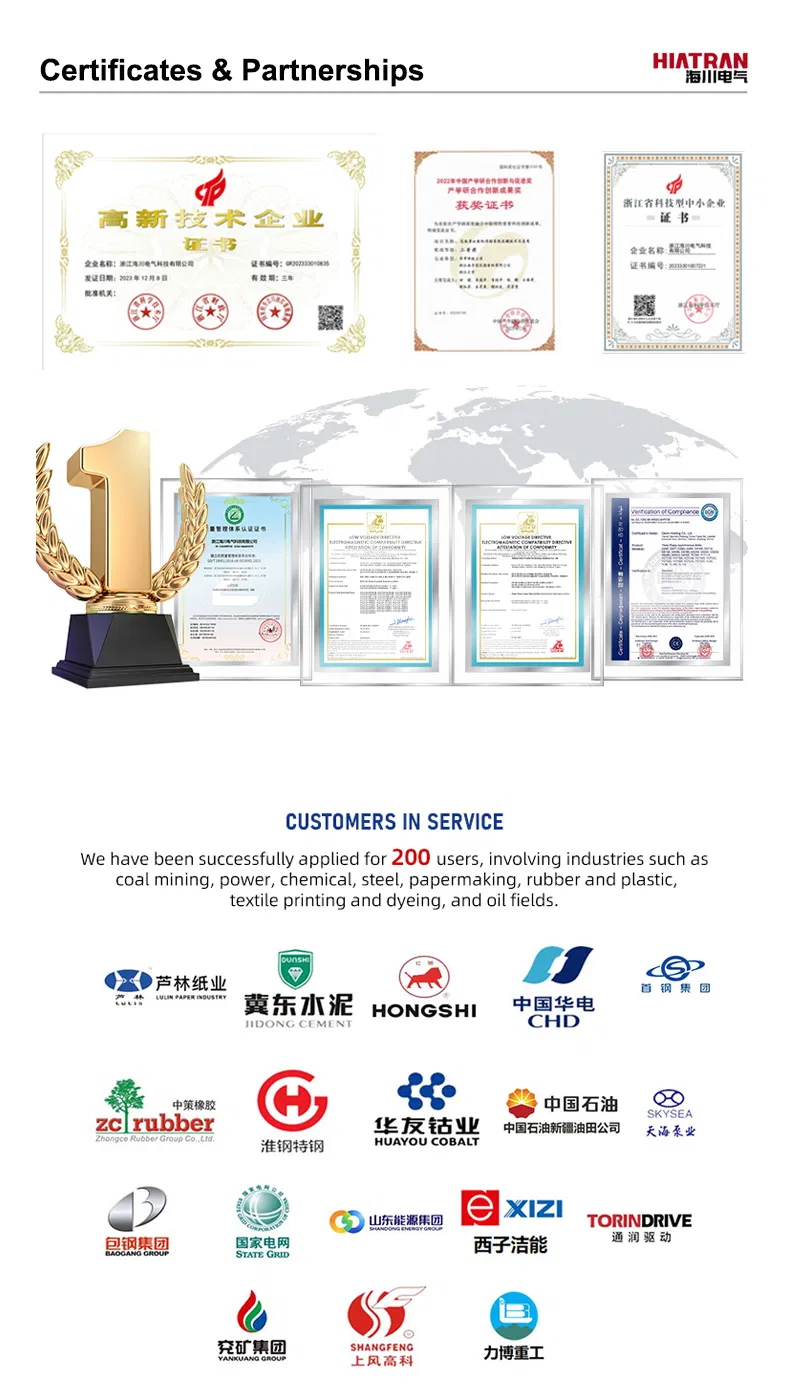
Certifications & Shipping
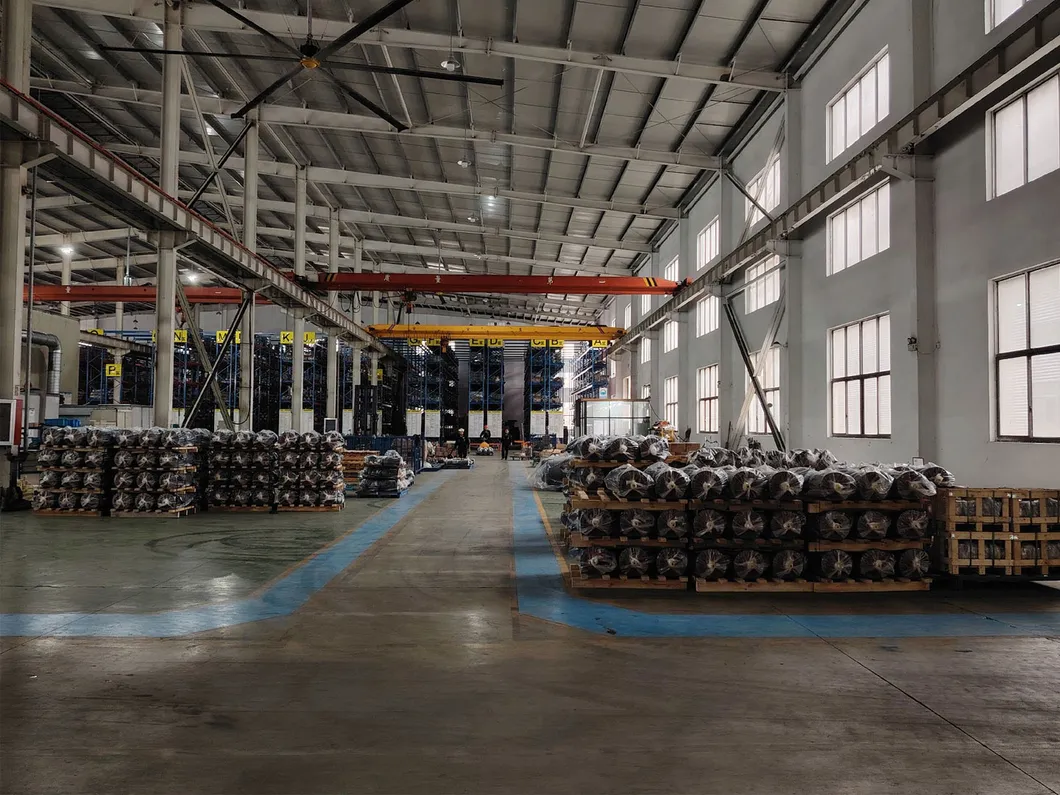
Packaging & Logistics
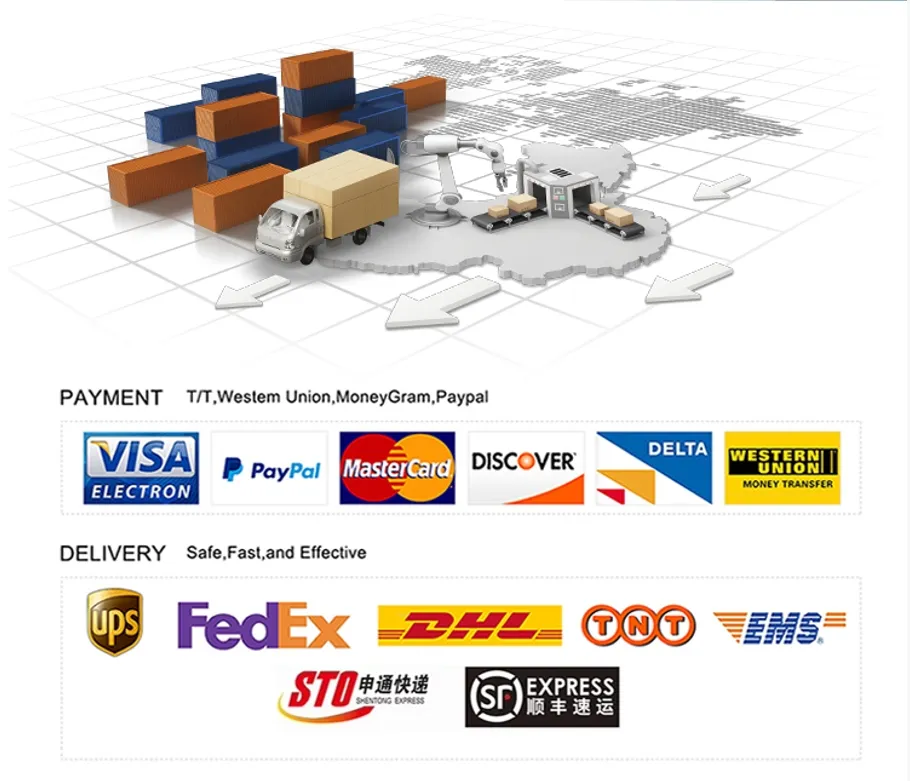
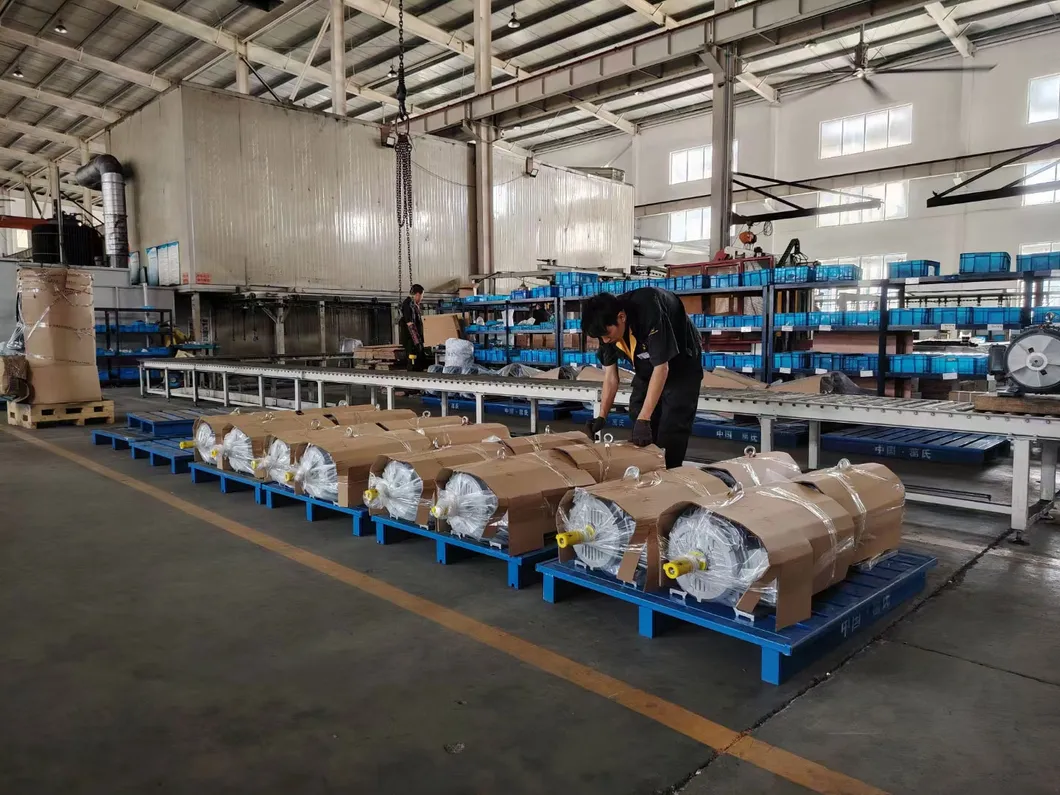
Professional Manufacturing
Frequently Asked Questions
Q1: What is a Magnet-Assisted Synchronous Reluctance Motor?
It is an advanced hybrid motor that combines the reluctance effect with ferrite magnets to achieve ultra-high efficiency without the need for expensive rare-earth materials.
Q2: How much energy can these motors save compared to standard motors?
Depending on the application and load, these motors can achieve between 15% and 45% energy savings, typically meeting IE5 efficiency standards.
Q3: Do these motors require a specific controller?
Yes, to maximize performance and efficiency, they should be used with high-performance Variable Frequency Drives (VFDs) that support synchronous reluctance control algorithms.
Q4: Are these motors suitable for harsh environments?
Yes, the use of ferrite magnets and high-grade silicon steel makes them highly stable in environments with high temperature, humidity, or potential corrosion.
Q5: What is the typical ROI for replacing equipment with IE5 motors?
For industrial equipment running continuously, the initial investment cost is usually recovered through energy savings within 1 to 3 years.
Q6: Why is there no risk of high-temperature demagnetization?
Unlike some rare-earth motors, the ferrite permanent magnet materials used in these motors are inherently resistant to demagnetization even at high operating temperatures.
 RedCat Motors