⚙️ Product Performance
●
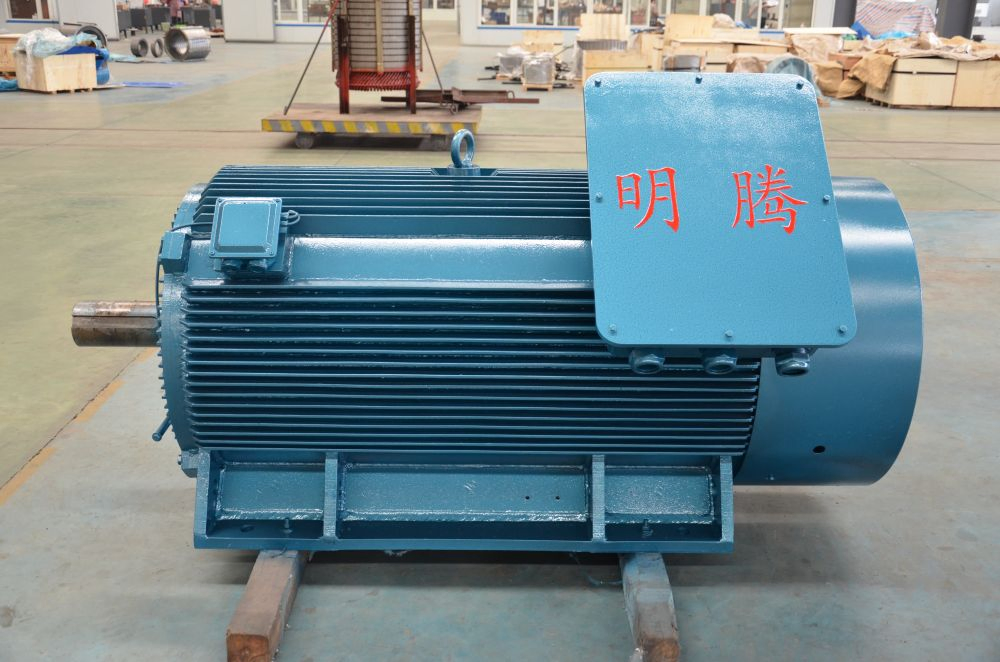
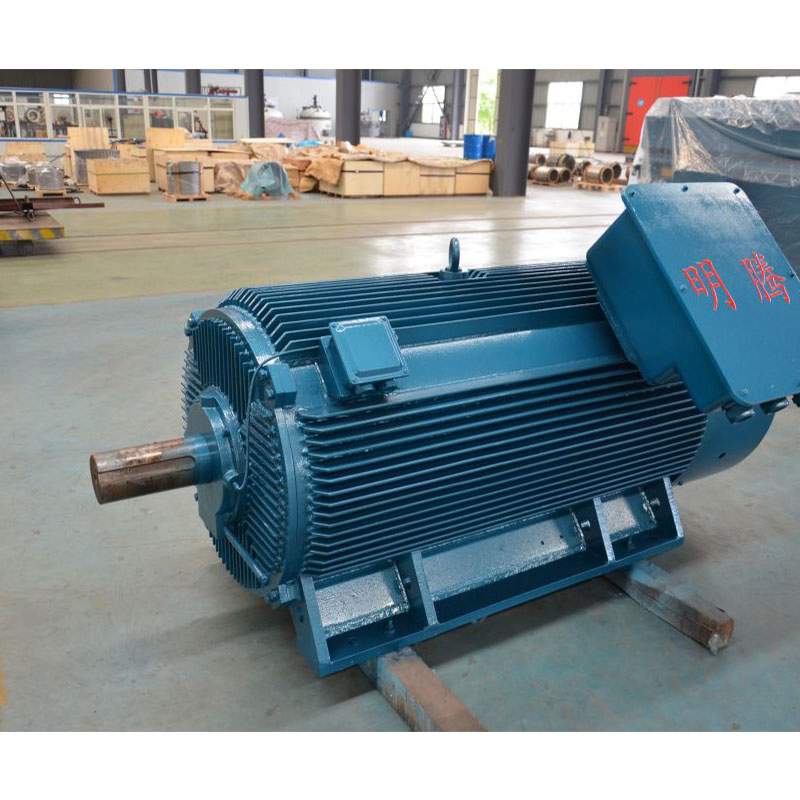
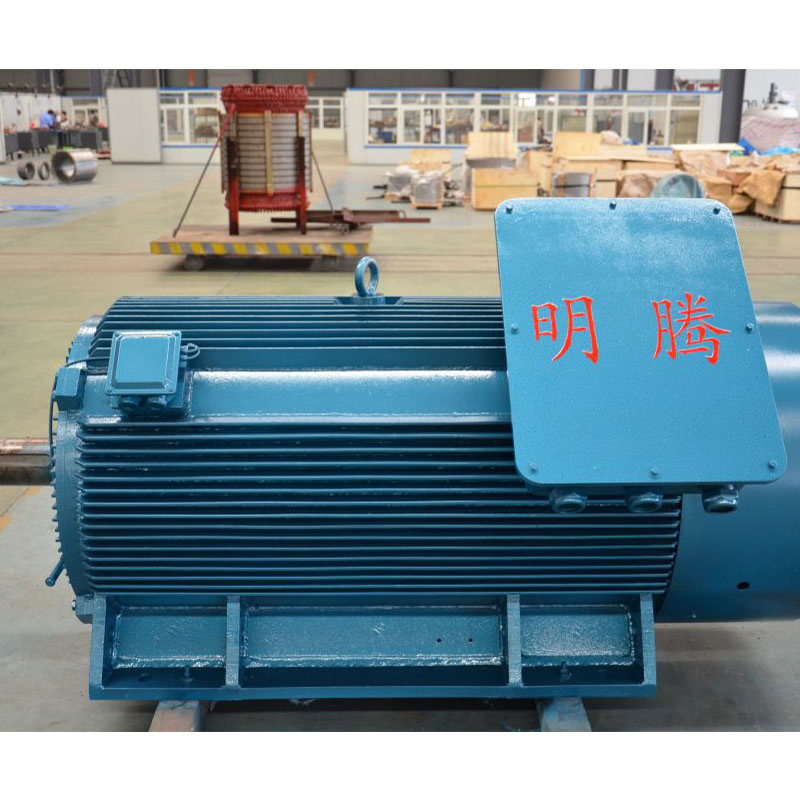
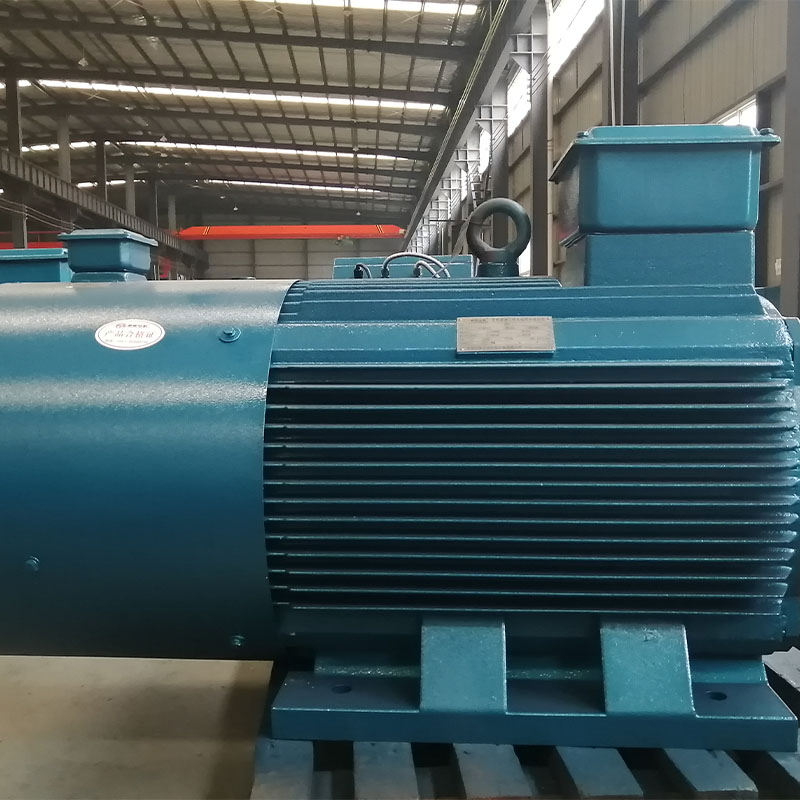
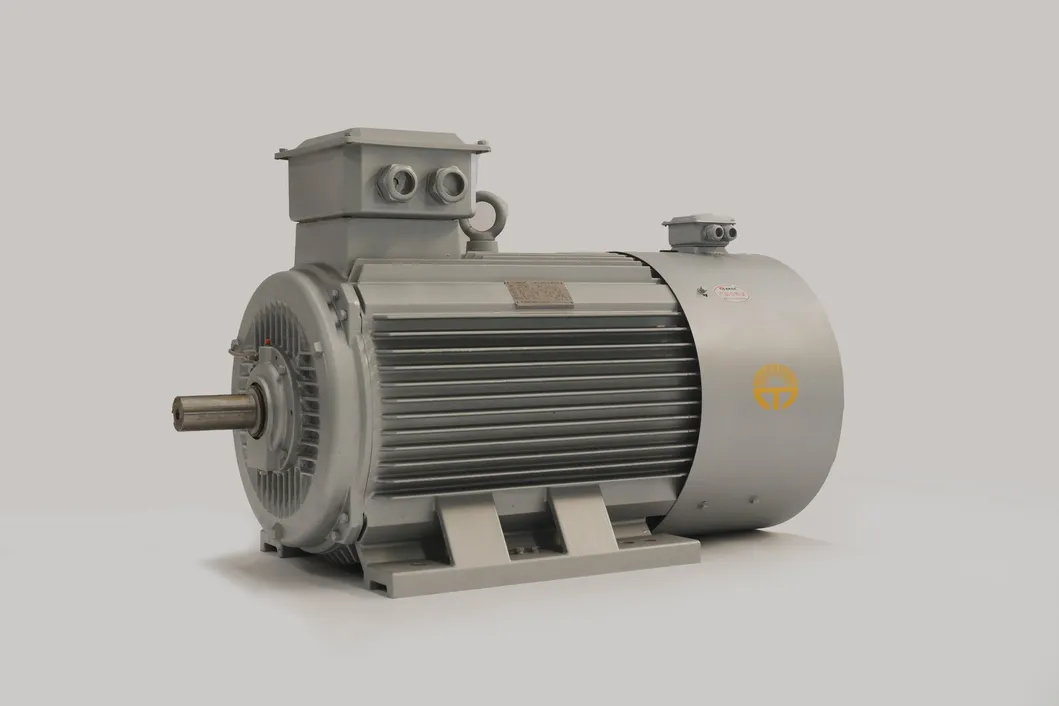
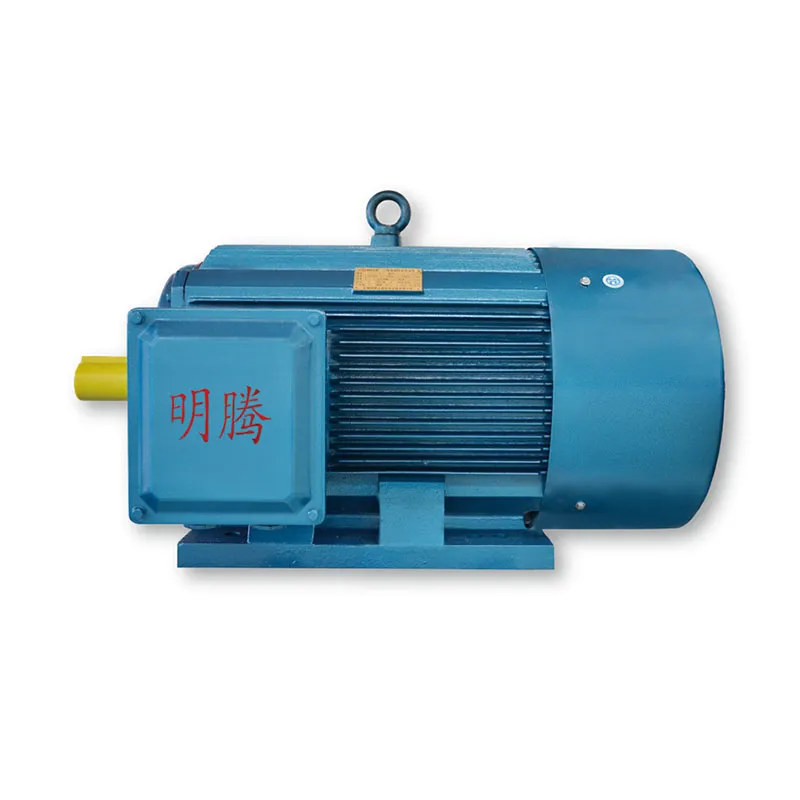
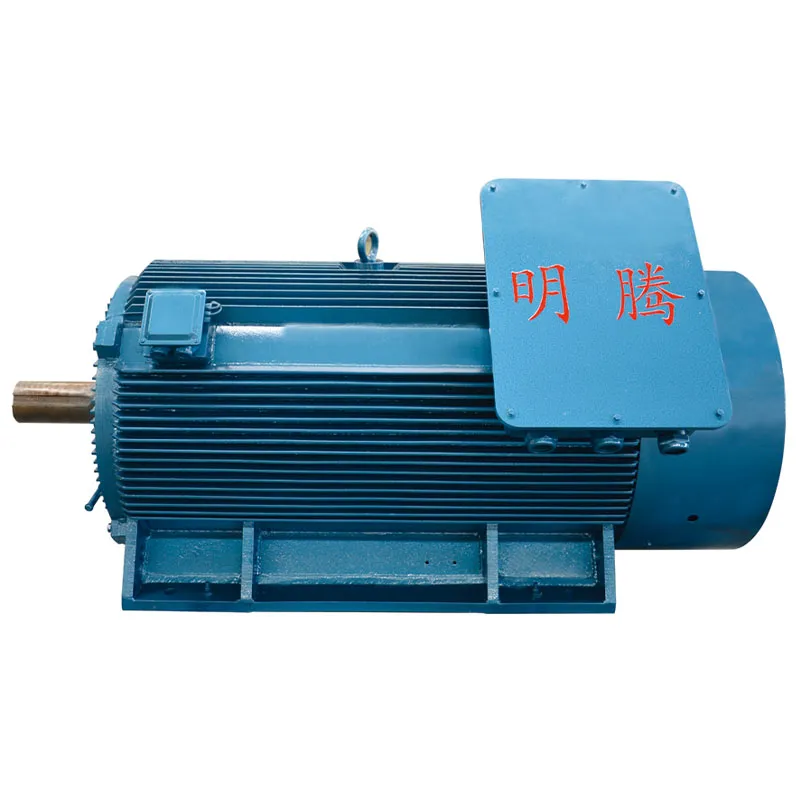
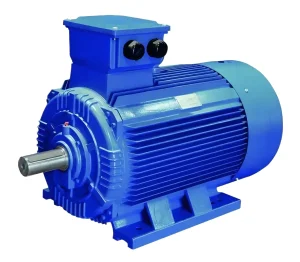
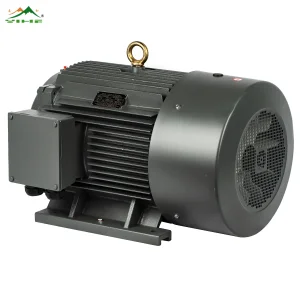
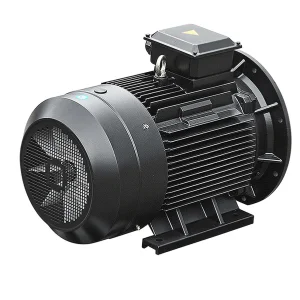
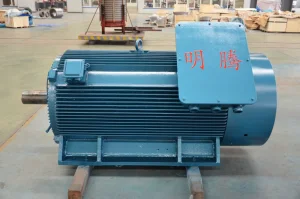
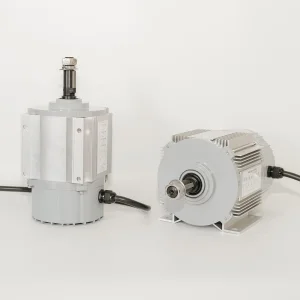
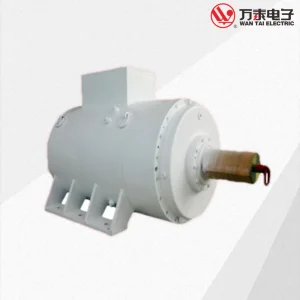
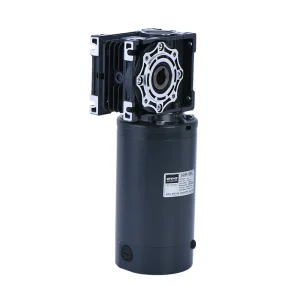
IE5 energy efficiency, direct-starting (self-starting) performance, also can be powered by VFD.
●
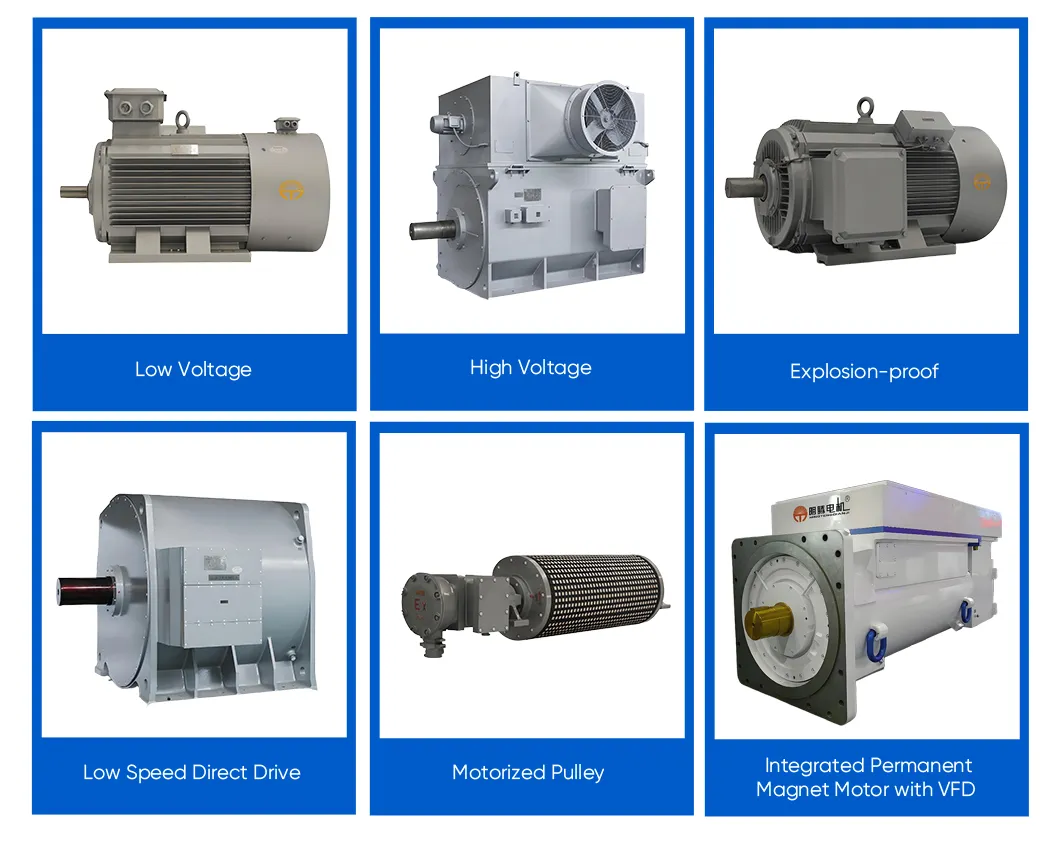
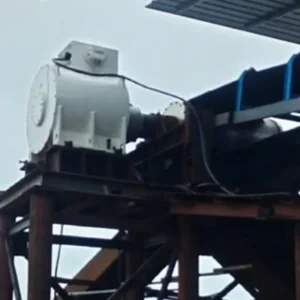
Widely used in fans, pumps, compressors, belt machines, etc. in electric power, petroleum, metallurgy, textile, and building materials.
●
Designed to completely replace asynchronous (induction) motors or alternators.
🏭 Manufacturing Capability
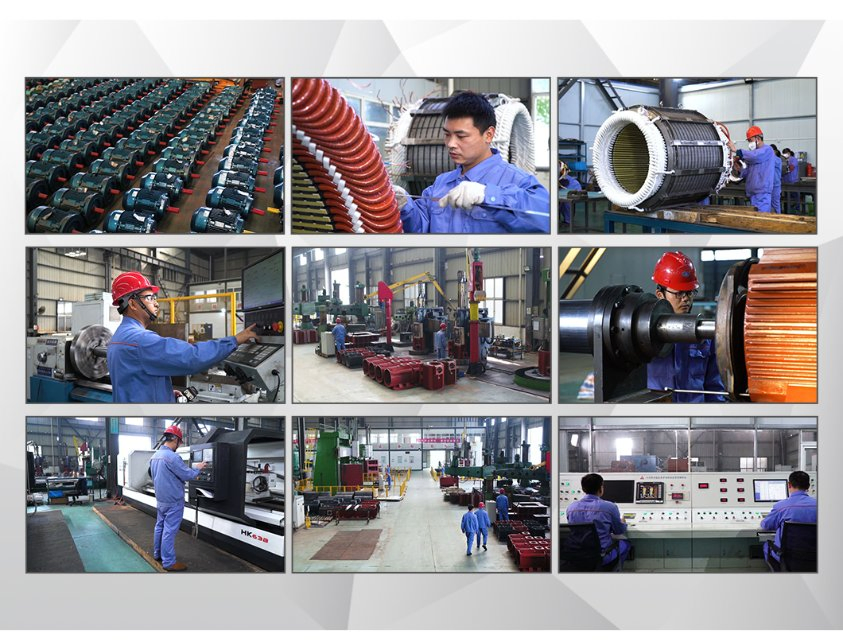
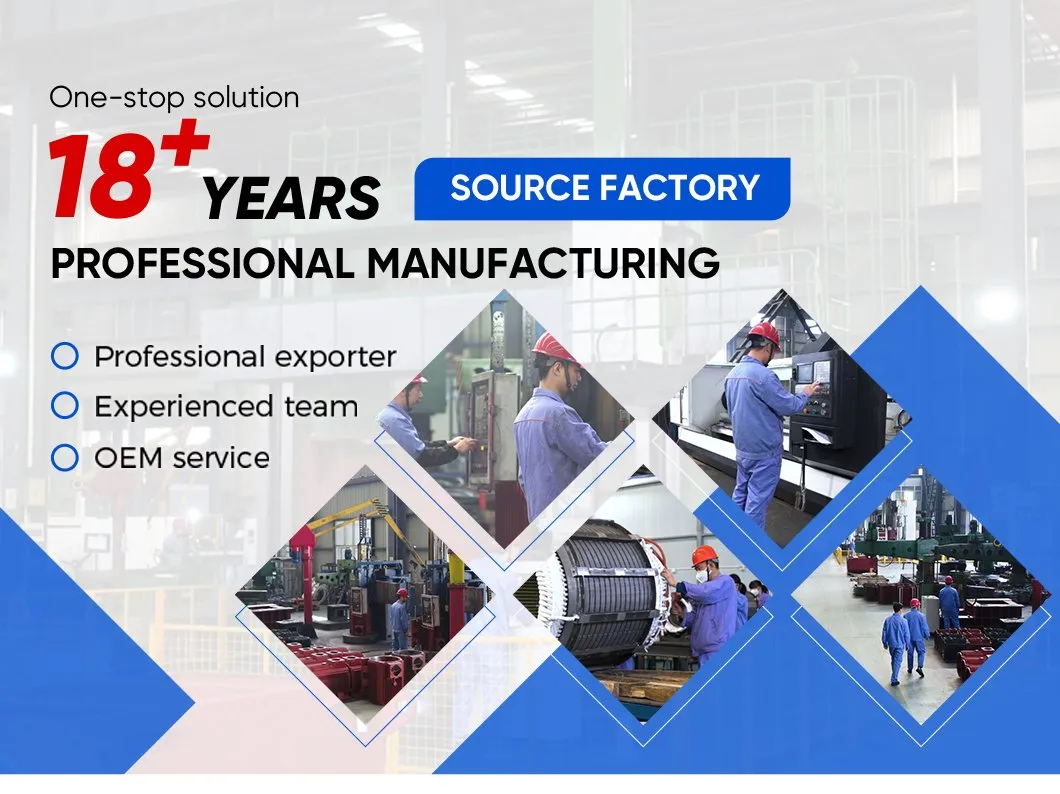
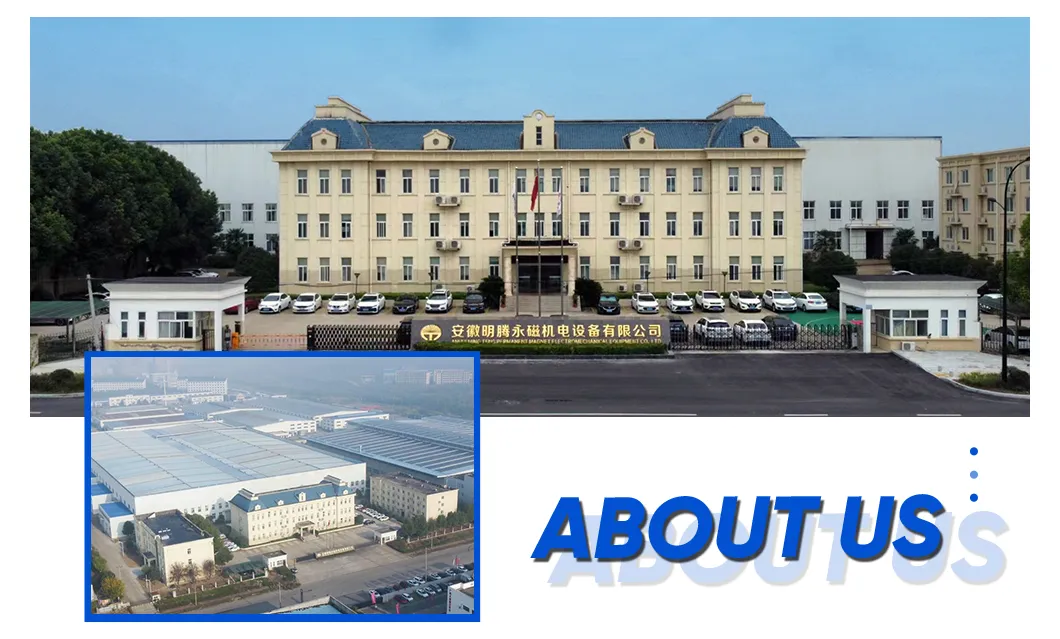
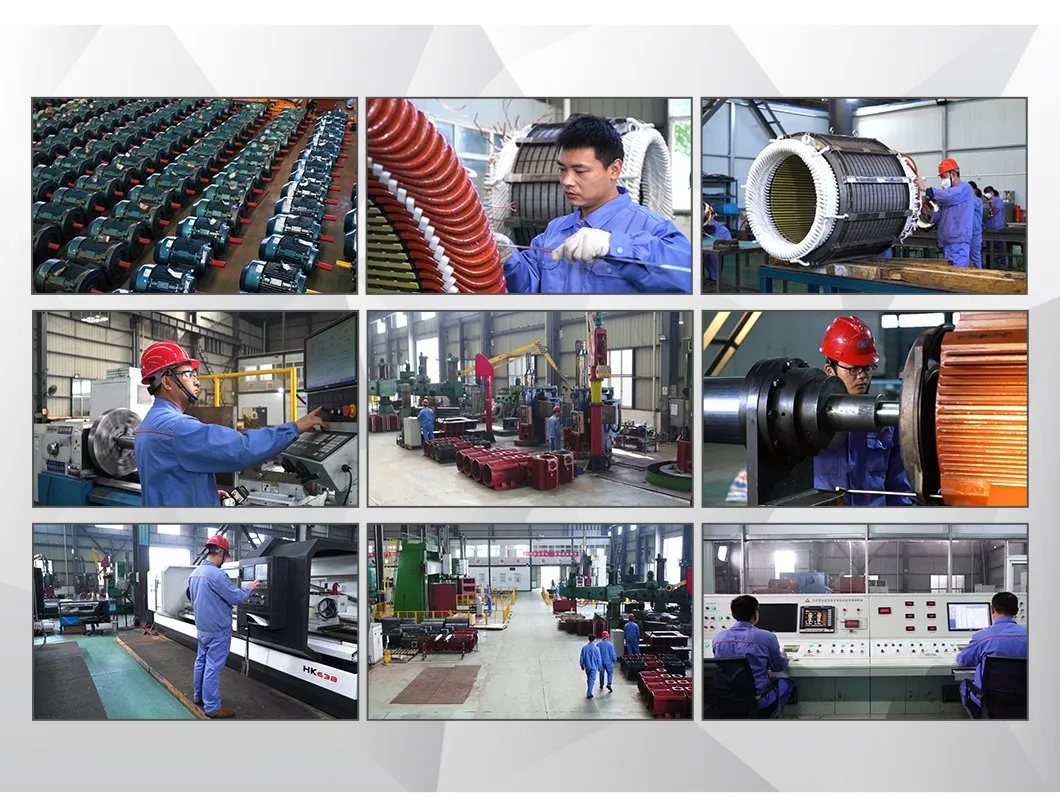
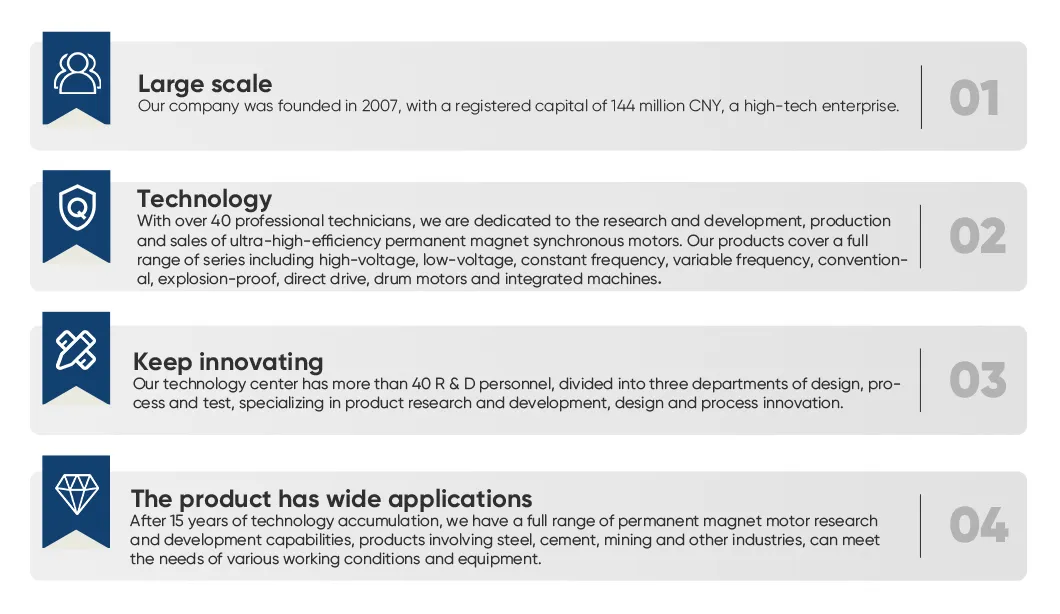
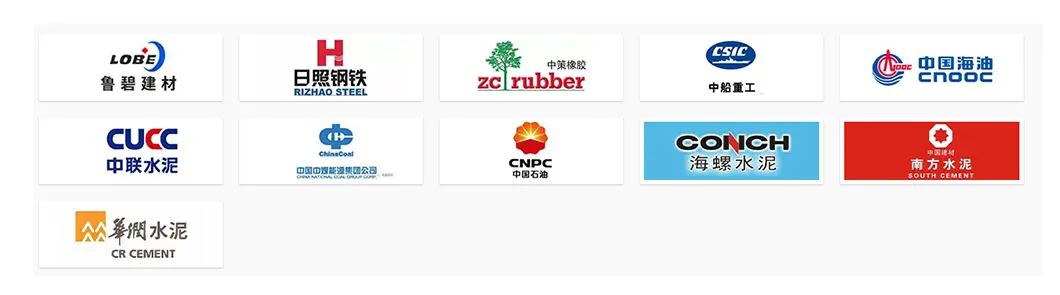
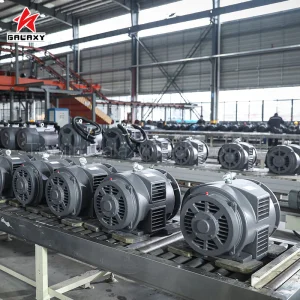
Our facility has been a practitioner of low carbon green since 2007. We have accumulated R&D and produced nearly 2000 models of permanent magnet motors, meeting professional and customized product needs across various industries including steel, cement, coal, electricity, and petroleum.
🛡️ Quality & Exhibition
❓ Frequently Asked Questions
1. What is the main difference between PMSM and Induction Motors?
PMSM uses permanent magnets for the magnetic field, ensuring the rotor speed is strictly synchronized with the magnetic field speed. Induction motors rely on electric currents to generate the field and have a speed slip. PMSM offers higher efficiency (95-98%) compared to induction motors (85-95%).
2. What are the key advantages of permanent magnet synchronous motors?
Key benefits include a higher power factor (near 1.0), high torque density allowing for smaller sizes, wide speed regulation ranges (1:1000+), and significant energy savings as they don't require excitation current.
3. Can these motors be started without a VFD?
Yes, our permanent magnet synchronous motors are designed for direct-starting at industrial frequency, while also maintaining full compatibility with VFD converters for precision control.
4. In which industries are these motors typically applied?
They are widely utilized in mining, steel, electric power, and textile industries for loads such as fans, pumps, belt conveyors, ball mills, agitators, and crushers.
5. What customization options are available?
We support a wide range of customizations including rated voltage, cooling methods, specific speed requirements, and mounting methods (B3, B35, V1, V3 etc.) to meet specific industrial needs.
6. What is the typical production cycle for an order?
Depending on the order specifications and quantity, the normal production cycle is approximately 40-50 days.
 RedCat Motors