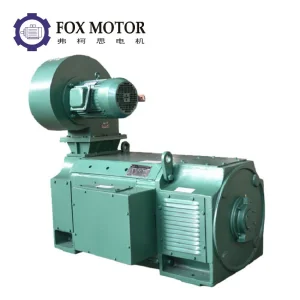
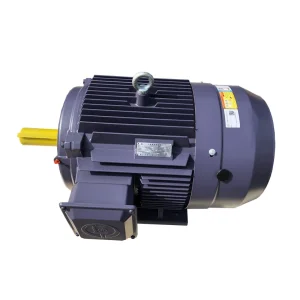
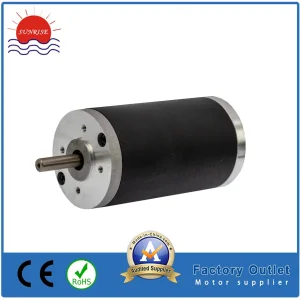
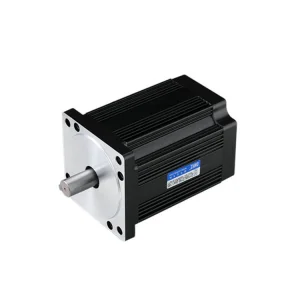
Direct access to our advanced high-efficiency permanent magnet systems, precision gearboxes, and customized control hardware.
Established in 2011 and strategically situated in Foshan, Guangdong Province, China, Foshan RedCat Motors Co., Ltd. has evolved into a key player in the design, engineering, and execution of advanced motion control architectures. Spanning a modern production facility of over 15,000 square meters and staffed by more than 220 dedicated engineers and technicians, the organization operates under stringent quality protocols to serve international technology partners, industrial system integrators, and OEM manufacturers globally.
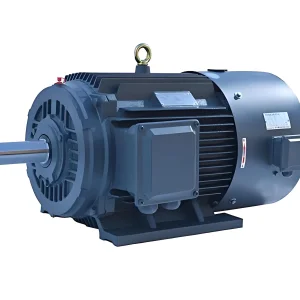
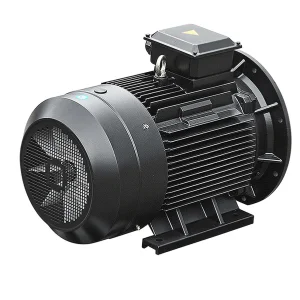
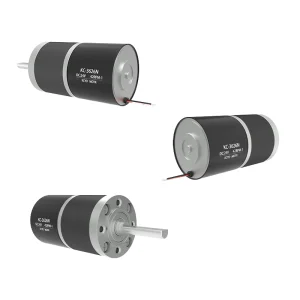
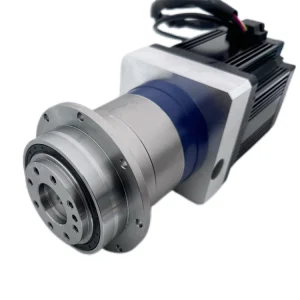
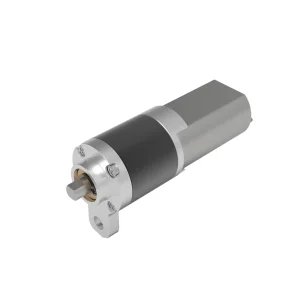
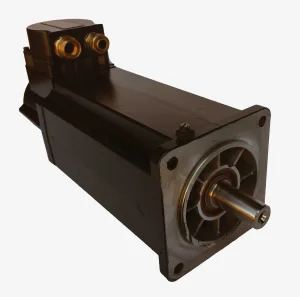
The company’s manufacturing portfolio integrates servo systems, customized gear motors, brushless DC (BLDC) motors, hybrid stepper systems, heavy-duty permanent magnet motors, intelligent controllers, and customized drive mechanisms. Driven by intensive research and engineering rigors, RedCat Motors continues to develop solutions optimized for semiconductor manufacturing equipment, automated production lines, multi-axis CNC machines, complex logistic distribution frameworks, high-precision medical machinery, and automated textile plants.
A comprehensive analysis of current technological shifts, procurement standards, and direct drive advantages.
Unlike traditional rotary-to-linear conversion systems that rely on mechanical linkages like ball screws, belts, or rack-and-pinions, direct-drive linear motors optimize efficiency. By eliminating intermediate mechanical wear points, they deliver zero backlash, lower frictional losses, and significantly higher static stiffness.
Linear motors generate force directly to the moving payload. This layout enables high acceleration limits (exceeding 10G) and velocities exceeding 5 m/s. This direct force output minimizes settling times, critical for rapid pick-and-place automation in semiconductor packaging.
Without the requirement of regular lubrication for gearboxes and guide screws, linear motor architectures are well-suited for vacuum chambers, sterile environments, pharmaceutical manufacturing, and modern cleanroom operations.
International buyers and system architects are transitioning from traditional mechanical components to direct-drive electromechanical designs. The primary drivers are overall equipment effectiveness (OEE) and carbon reduction mandates. Because linear motors convert electromagnetic energy directly into linear force, they eliminate the mechanical losses associated with rotary-to-linear conversions. Modern manufacturing facilities prioritize suppliers that deliver not only individual motor components but also integrated sub-assemblies (coils, magnets, feedback encoders, and digital servo drives) as complete motion axes.
In response to this demand, Chinese manufacturers are standardizing linear motor tracks, adopting modular stator structures, and refining ironless and iron-core technologies. Ironless motors eliminate cogging forces for smooth slow-speed travel, while iron-core configurations generate high continuous forces for heavy payload manufacturing.
SEO Insight & Information Gain: When sourcing direct-drive systems, engineers analyze thermal dissipation capabilities and detent force characteristics rather than basic thrust metrics. High-performance linear motors must maintain minimal heat signature variations to avoid structural distortion in high-precision gantries.
The trajectory of direct motion systems is defined by several core technological shifts:
Enabling seamless integration into global mechanical platforms with absolute regulatory assurance.
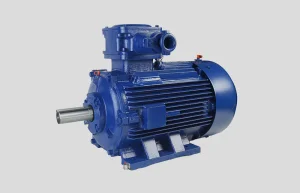
Our motion systems comply with the CE directive, RoHS environment mandates, and UL insulation requirements. For hazardous environments, explosion-proof units (such as our ATEX certified series) provide functional safety under strict zone-rating criteria.
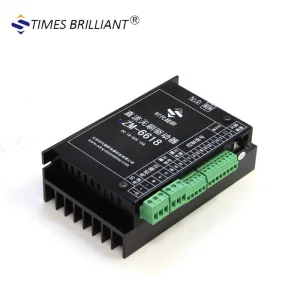
Our motion controllers and drive systems are designed for open protocols. They support EtherCAT, CANopen, Modbus RTU, and Profinet interfaces, allowing integration into existing PLC platforms and industrial control loops.
From custom magnetic track profiles to specialized motor winding layouts for low-voltage batteries or high-voltage lines, we customize motor envelopes to meet specific dynamic and space requirements.
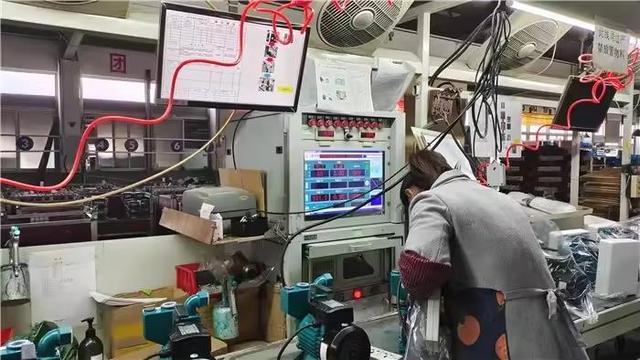
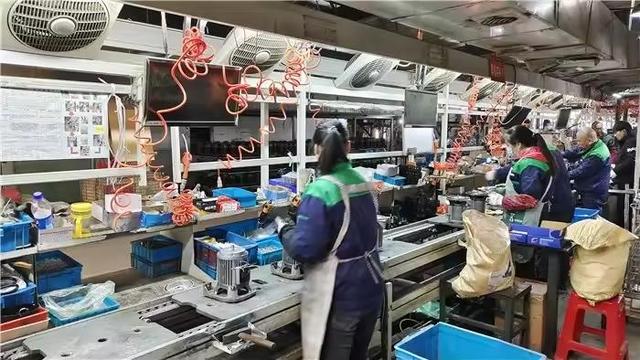
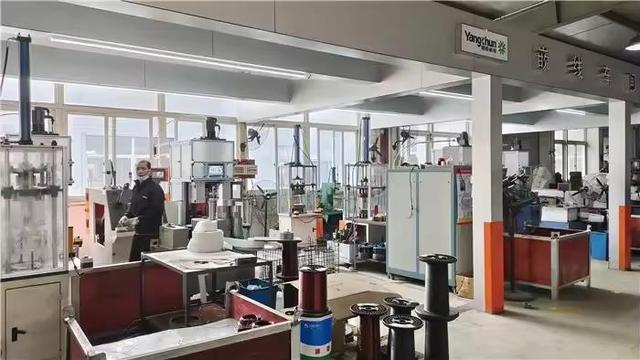
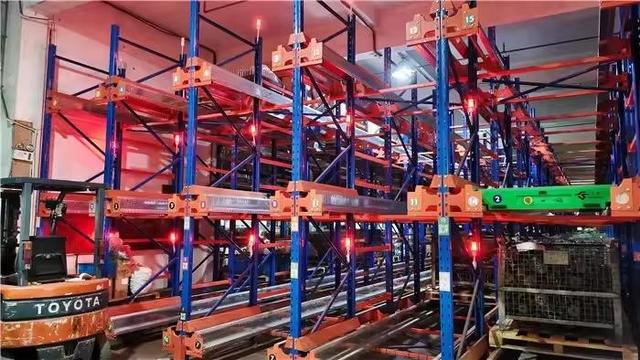
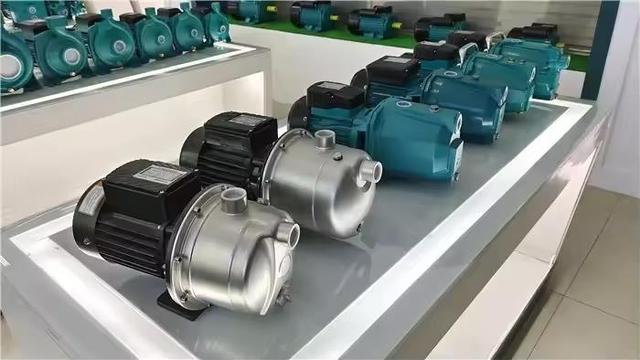
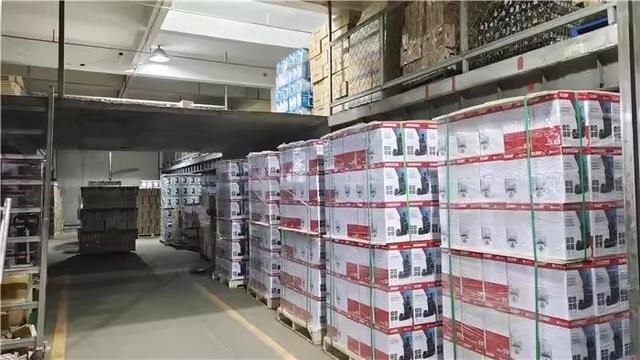
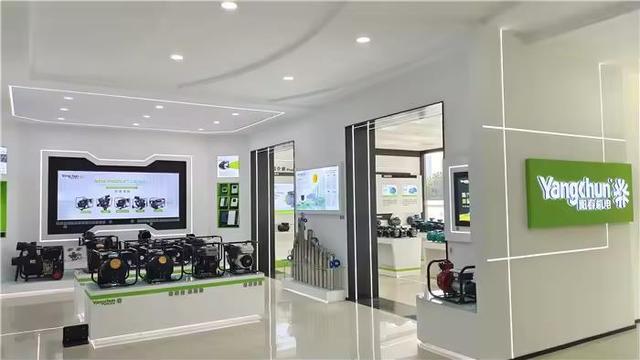
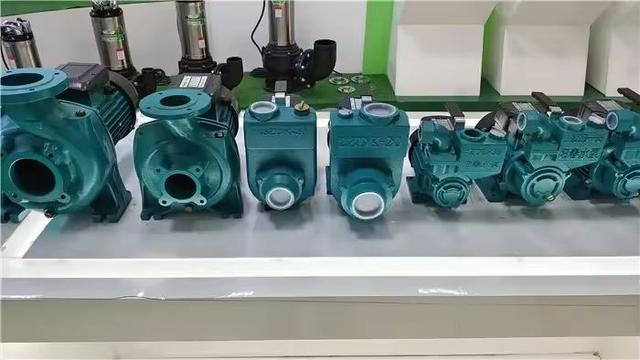
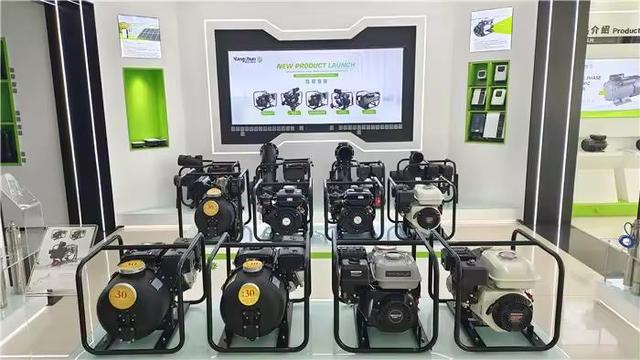
Take a look inside our ISO 9001-certified assembly plants, testing stations, and engineering labs, where precision quality meets scaled output.
Key technical insights on selecting, implementing, and optimizing linear motor configurations.
Heavy duty, explosion proof, and precision control configurations for custom industrial requirements.
 RedCat Motors