In the rapidly advancing automation landscape, the transition from brushed systems to Brushless DC (BLDC) motors marks a fundamental evolutionary leap. Eliminating sliding contacts dramatically reduces maintenance cycles, optimizes thermal dissipation, and pushes power conversion efficiencies beyond 90%. Selecting the right supplier is no longer a matter of simple price negotiation; it is a critical engineering decision that dictates long-term system reliability, supply chain resilience, and technological viability.
This whitepaper breaks down the technical capabilities, manufacturing standards, and supply chain logistics of leading BLDC producers. We establish a comprehensive framework for design engineers and procurement directors who need high-torque density, custom shafting configurations, and reliable system integration.
Through direct industry audits, technical benchmark reviews, and evaluation of Quality Management Systems (QMS), we analyze how modern factories achieve zero-defect tolerances. This analysis focuses on raw materials verification (including rare earth NdFeB permanent magnets), automated stator winding accuracy, dynamic rotor balancing, and advanced Field-Oriented Control (FOC) drive pairing.
| Performance Metric | Brushed DC System | Brushless DC System (BLDC) |
|---|---|---|
| Efficiency Range | 60% – 75% | 85% – 95% |
| Lifespan / MTBF | 2,000 – 5,000 Hours | 20,000+ Hours (Bearing Limited) |
| EMC/EMI Profile | High (Arcing from Brushes) | Negligible / Solid-State Switched |
| Dynamic Response | Moderate | Ultra-High (Low Rotor Inertia) |
| Thermal Output | Generates at Rotor (Hard to Cool) | Generates at Stator (Easily Dissipated) |
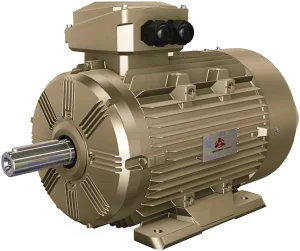
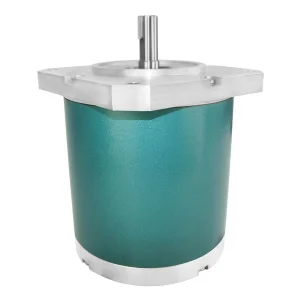
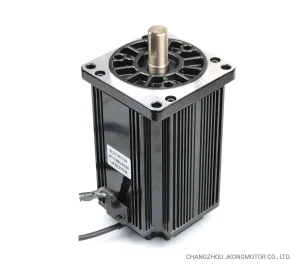
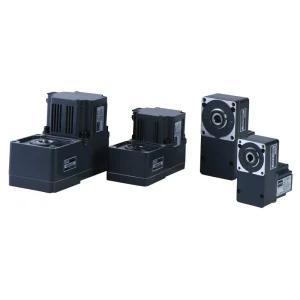
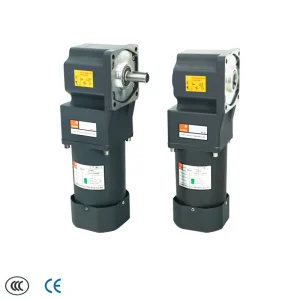
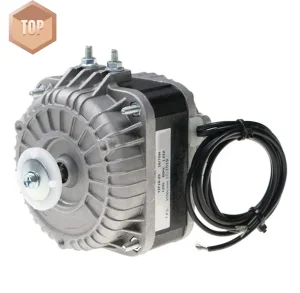
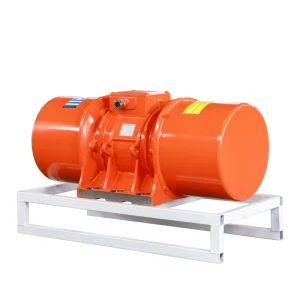
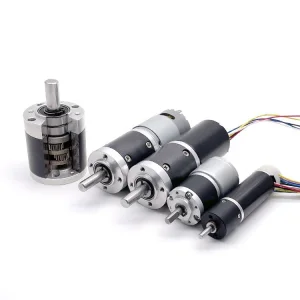
Explore the foundational motor series and custom assemblies utilized by top-tier system integrators and automation OEMs globally.
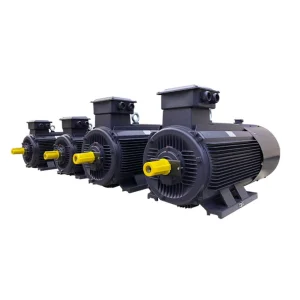
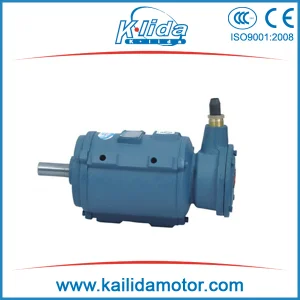
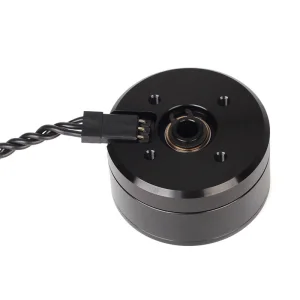
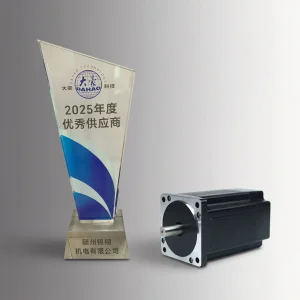
Modern BLDC technology is evolving along three primary frontiers: material engineering, electronics integration, and control algorithms. The integration of wide-bandgap semiconductors, specifically Gallium Nitride (GaN) and Silicon Carbide (SiC) in motor drive controllers, represents a major industry milestone. These advanced materials permit switching frequencies to scale beyond 100 kHz. This expansion eliminates torque ripple and permits the construction of exceptionally compact controllers integrated directly into the motor end-cap, minimizing cable EMI.
From a structural standpoint, the industry is witnessing a transition toward slotless stator topologies for application profiles requiring absolute smoothness and zero-cogging torque (such as surgical robotics and optical tracking). Slotless designs replace traditional slotted silicon steel laminations with self-supporting coils, completely eliminating the stator teeth. The results are ultra-quiet running states and superior dynamic response characteristics. For high-torque applications, magnetic circuit designs are being optimized through Finite Element Analysis (FEA) to maximize the magnetic flux density of NdFeB magnets, ensuring the thermal limits are not breached under transient overloads.
In high-vibration, high-temperature, or washdown environments, physical Hall-effect sensors pose a failure risk. Resolving this issue has driven the industry toward high-performance sensorless control models. Utilizing sliding mode observers (SMO) or high-frequency injection (HFI) techniques, modern integrated drivers detect rotor position by analyzing back-electromotive force (BEMF) profiles in real-time. Eliminating the sensor connector wiring saves BOM cost, simplifies mechanical engineering, and raises the overall system IP rating up to IP67 or IP69K.
China’s advanced manufacturing sectors, particularly within the Guangdong industrial corridor, have undergone a structural transition to Industry 4.0 smart factory standards. The concentration of component suppliers—ranging from high-purity electrical steel lamination providers to precision shaft grinders and specialized automated wire winders—guarantees a highly responsive production environment.
For global enterprises, this cluster translates into unmatched speed-to-market. Industrial automation lines leverage computer vision for automatic inspection of winding arrays, continuous magnet insertion, and inline dynamic balancing. This automated flow minimizes manual assembly mistakes, leading to a consistent quality profile with defect ratios below 50 PPM (Parts Per Million).
Furthermore, supply chain vertical integration allows factories to manage price fluctuations in raw materials (specifically rare earth metals such as Neodymium and Dysprosium). Having domestic access to refining hubs enables Chinese manufacturers to secure long-term pricing agreements, sheltering international buyers from sudden material cost jumps.
Established in 2011, RedCat Motors is a professional manufacturer specializing in electric motors, motion control systems, and industrial automation solutions.
Headquartered in Foshan, Guangdong Province, China, Foshan RedCat Motors Co., Ltd. serves global customers with reliable motor technologies designed for manufacturing equipment, automation systems, robotics, material handling, packaging machinery, and smart industrial applications. With a modern production facility covering more than 15,000 square meters and a workforce of over 220 employees, RedCat Motors combines engineering expertise with advanced manufacturing capabilities.
The company's extensive product range includes servo motors, gear motors, brushless DC motors, stepper motors, permanent magnet motors, industrial drive systems, motor controllers, and customized motion control solutions. These products are widely used in automated production lines, CNC equipment, logistics systems, medical devices, textile machinery, electronics manufacturing, and intelligent factory environments.
RedCat Motors invests continuously in research, development, and quality management to meet the evolving demands of industrial automation. The company operates advanced motor production lines, precision machining centers, and comprehensive testing facilities to ensure consistent product performance and reliability. Strict quality control procedures are implemented throughout every stage of production, from component sourcing and assembly to final inspection and shipment.
In addition to its standard product portfolio, RedCat Motors provides OEM and ODM manufacturing services, supporting customers with customized motor designs, performance specifications, drive integration, and private-label solutions. The company works closely with equipment manufacturers, system integrators, and industrial technology providers worldwide. With a focus on innovation, efficiency, and customer satisfaction, Foshan RedCat Motors Co., Ltd. is committed to delivering dependable electric motor and motion control solutions that support the advancement of modern industrial automation across global markets.
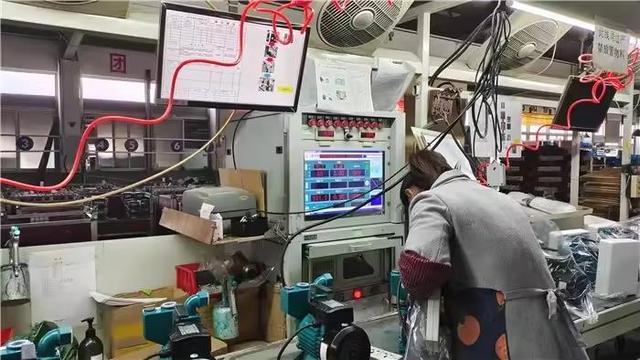
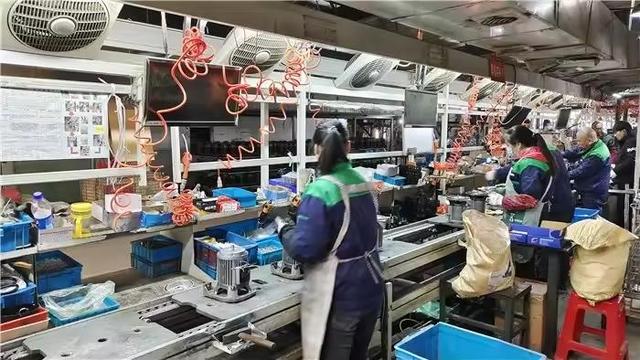
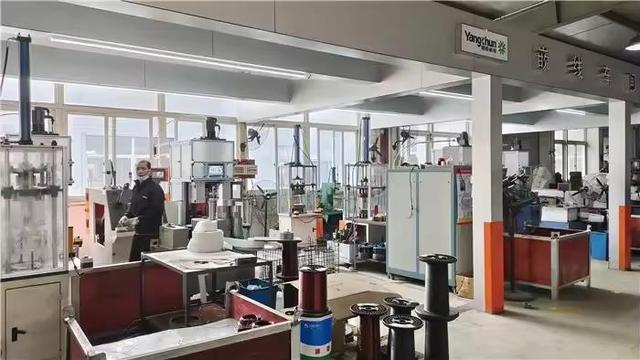
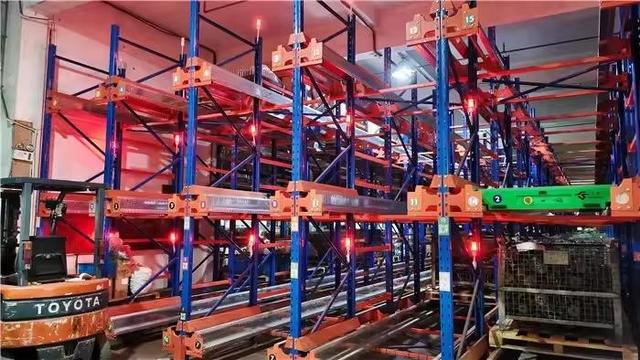
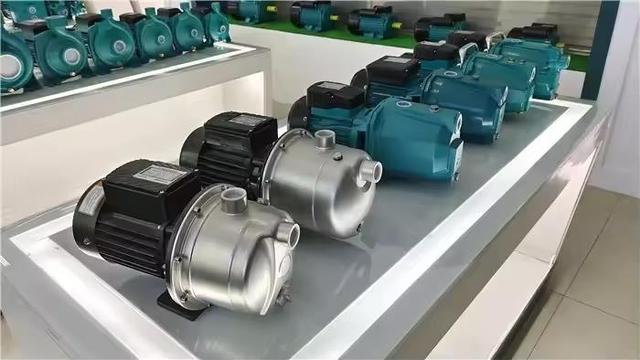
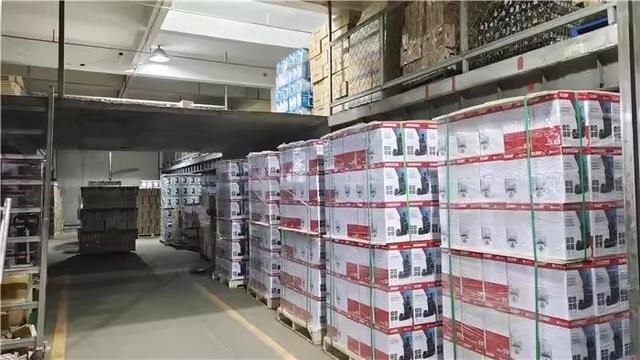
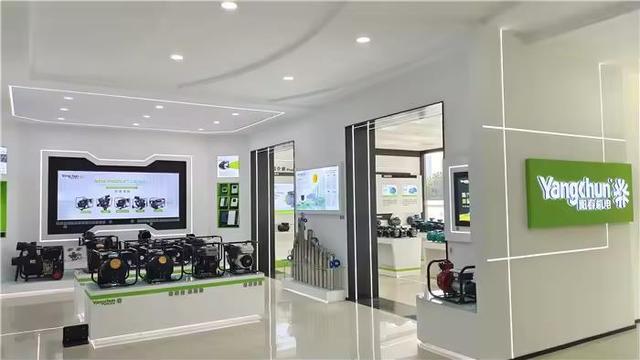
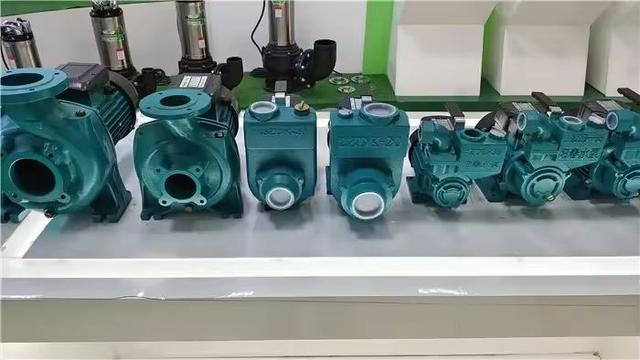
RedCat Motors maintains full traceability by logging the performance of each motor during end-of-line testing. Their automated testing bays measure BEMF symmetry, insulation resistance, winding resistance, and high-potency breakdown under loaded conditions. Below is a visual walkthrough of their production capabilities:
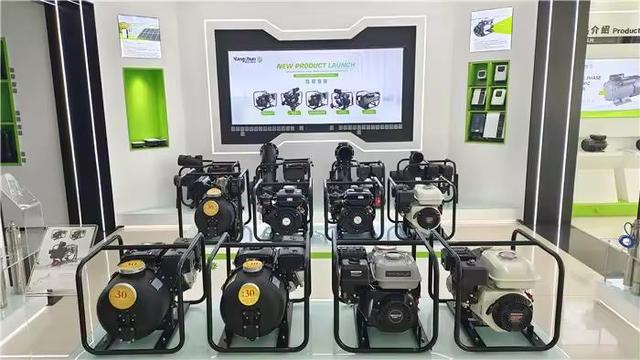
Autonomous Guided Vehicles (AGVs) require high startup torque and high power density. Integrated planetary gear-motors provide low-backlash speed reduction and support dynamic acceleration profiles.
From multi-axis robot arms to household electronics, compact brushless motors deliver smooth position and speed loop control. Low cogging torque is essential to avoid unwanted oscillations during operation.
Continuous operation systems demand IE4 and IE5 efficiency levels. Heavy industrial blowers and chemical pumps benefit from explosion-proof construction (IP66/IP67 ratings) and adjustable frequency drives.
Enterprise procurement of electric motors requires balancing technical customization with cost stability. A standard motor off the shelf rarely meets the specific mechanical and electrical configurations required for high-performance integrations.
Engineers must verify shaft configurations (D-cut, keyed, or spline), housing dimensions, mounting flange standards (NEMA or metric), and wiring harness terminations. Additionally, evaluating the supplier's capacity to conduct HALT (Highly Accelerated Life Testing) and HASS (Highly Accelerated Stress Screening) ensures the product designs are robust enough to survive demanding field operations.
For global OEMs, international compliance is not optional. A manufacturer's facilities and products must conform to global validation frameworks. This compliance includes CE marking for the European Economic Area, UL/CSA certifications for North America, and RoHS/REACH directives to limit hazardous substances.
Top-tier suppliers support their international clients by establishing local field application engineering (FAE) networks. These networks provide localized technical support and direct integration assistance. This structure ensures that potential drive tuning, communication protocol issues (such as EtherCAT, CANopen, or Modbus), or mechanical adjustments can be resolved quickly within the customer's time zone.
Explore our secondary line of heavy industrial, gear-reduced, and precision feedback motors designed for dynamic automation.
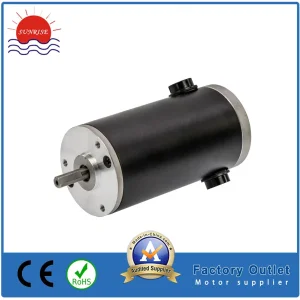
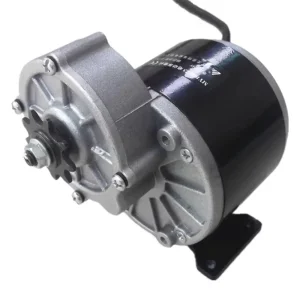
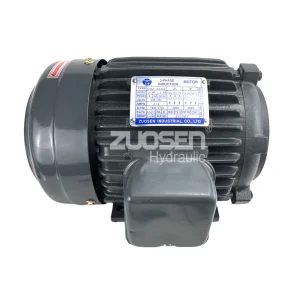
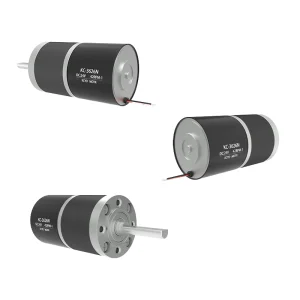
Get answers to the most common technical questions asked by system designers and procurement directors.
Slotted BLDC motors utilize stators containing discrete slots where the copper windings are housed. This layout delivers high magnetic flux density and superior torque output. However, the interaction between the permanent magnets and the stator teeth causes cogging torque. Slotless BLDC motors use a self-supporting coil wrapped directly against the back iron. This layout eliminates cogging torque, decreases acoustic noise, and permits high rotor speeds. However, the larger air gap decreases peak torque density.
Trapezoidal commutation switches phase currents at 60-degree increments, resulting in periodic torque ripples. FOC (sinusoidal control) decouples the motor current into torque-producing and flux-producing components. By continuously adjusting phase voltages, FOC generates a smooth rotating magnetic field. This technique increases drive efficiency, lowers torque ripple, and reduces vibration.
Neodymium Iron Boron (NdFeB) magnets deliver the highest energy product, but standard grades suffer demagnetization above 80°C. For elevated thermal environments, manufacturers specify high-coercivity grades (such as EH, AH, or UH). These variants incorporate Dysprosium (Dy) or Terbium (Tb) to push the maximum operating temperature up to 200°C. For applications exceeding 200°C, Samarium Cobalt (SmCo) magnets are preferred due to their superior thermal stability, despite having a lower energy product.
Common mechanical customizations include special shaft profiles (splines, cross-holes, or D-cuts), custom mounting flanges, and special housing treatments (anodizing, passivating, or IP-rated seals). Electrical customizations include custom windings to target specific voltage, speed, and torque ratings. Additionally, factories integrate custom encoders, resolver feedback systems, and integrated gearheads.
The copper fill-factor determines the stator's copper losses and thermal performance. Automated precision winding machines ensure uniform distribution of the copper coils, minimizing internal hot spots. Advanced insulation processes, such as vacuum pressure impregnation (VPI), seal the windings against dust and humidity. High insulation ratings (such as Class H) protect the coils against dielectric breakdown under peak current surges.
A comprehensive factory testing flow includes 100% inline electrical tests (winding resistance, inductance, and dielectric high-pot tests). Finished motors undergo dynamic balancing to reduce vibration, alongside no-load back-EMF measurement. For extreme environments, reliability validation requires HALT (Highly Accelerated Life Testing), HASS (Highly Accelerated Stress Screening), thermal shock cycling, salt spray testing for corrosion, and IPX7/IPX9K water ingress validation.
 RedCat Motors