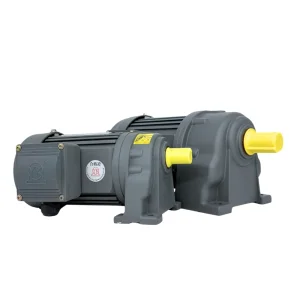
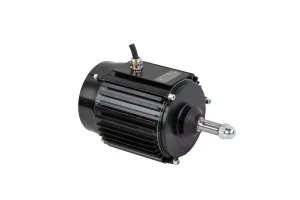
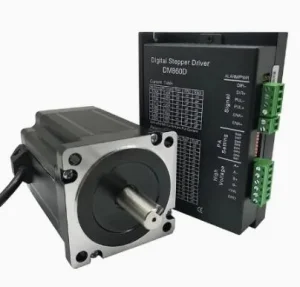
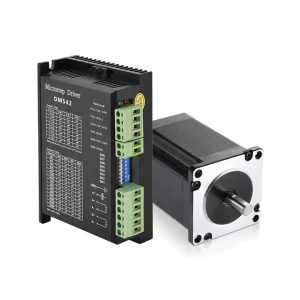
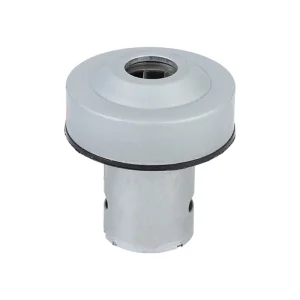
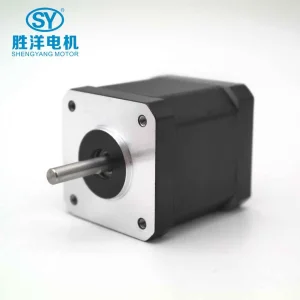
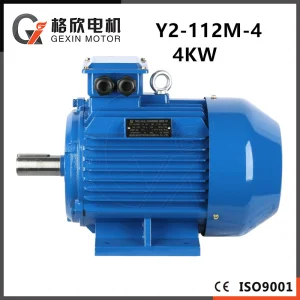
The first product shelf gives global buyers a fast view of compact, high-torque, precision and application-specific motor platforms. Each product link is preserved for direct technical review.
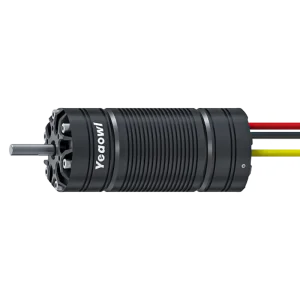
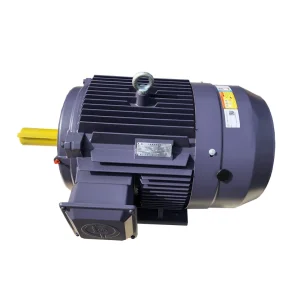
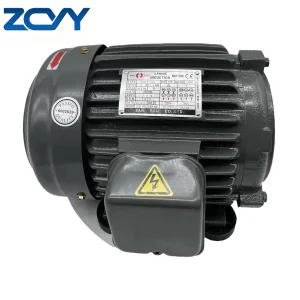
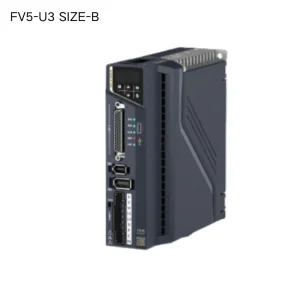
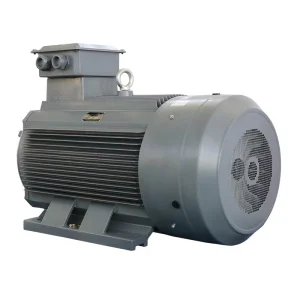
In compact machinery, a low profile motor is specified when axial length competes with the gearbox, bearing, brake, encoder, cable exit and housing. It is not simply a thinner motor; it is an integrated motion envelope. A low-profile BLDC motor, axial-flux servo, pancake stepper, flat gearmotor or compact AC drive must preserve torque density, speed control, thermal margin and service life while fitting inside vehicle seats, AGV drive pods, medical carts, robotic joints, vacuum tools, packaging heads, pump sets, microwave appliances or livestock ventilation systems. For design engineers, the real question is whether the supplier can co-optimize magnetics, windings, thermal paths, bearings and drive electronics without shifting technical risk to the finished machine.
For procurement teams, the query China best low profile motor supplier & exporter signals a different set of questions. They need evidence: torque-speed curves, duty cycle assumptions, IP rating, insulation class, feedback type, EMC strategy, certificate scope, production traceability and export documentation. The best supplier is not always the one with the broadest catalogue; it is the one whose engineering and quality system reduces uncertainty from prototype to repeat order. A supplier that can support custom windings, mounting interfaces, voltage variants and control integration can shorten the design cycle, while a supplier without documented process control can create hidden costs after mass production begins.
This guide is written from RedCat Motors’ manufacturing perspective and is structured around both user intent and information gain. It combines low-profile motor technology, macro industry solutions, Factory 4.0 supply-chain resilience, global procurement requirements, localization support, compliance assurance and buyer Q&A. The company profile and original product references are retained so that engineers, sourcing managers and quality auditors can evaluate the supplier with greater context.
Illustrative weighting for a custom low-profile motor RFQ. Actual priorities vary by application, volume, destination market and risk profile.
The following company profile is retained from RedCat Motors’ official introduction. It establishes the experience, manufacturing context and product scope behind the supplier’s export capability.
Foshan RedCat Motors Co., Ltd. is a professional manufacturer specializing in electric motors, motion control systems, and industrial automation solutions. Established in 2011 and located in Foshan, Guangdong Province, China, the company serves global customers with reliable motor technologies designed for manufacturing equipment, automation systems, robotics, material handling, packaging machinery, and smart industrial applications. With a modern production facility covering more than 15,000 square meters and a workforce of over 220 employees, RedCat Motors combines engineering expertise with advanced manufacturing capabilities.
The company's product range includes servo motors, gear motors, brushless DC motors, stepper motors, permanent magnet motors, industrial drive systems, motor controllers, and customized motion control solutions. These products are widely used in automated production lines, CNC equipment, logistics systems, medical devices, textile machinery, electronics manufacturing, and intelligent factory environments.
RedCat Motors invests continuously in research, development, and quality management to meet the evolving demands of industrial automation. The company operates advanced motor production lines, precision machining centers, and comprehensive testing facilities to ensure consistent product performance and reliability. Strict quality control procedures are implemented throughout every stage of production, from component sourcing and assembly to final inspection and shipment.
In addition to its standard product portfolio, RedCat Motors provides OEM and ODM manufacturing services, supporting customers with customized motor designs, performance specifications, drive integration, and private-label solutions. The company works closely with equipment manufacturers, system integrators, and industrial technology providers worldwide.
With a focus on innovation, efficiency, and customer satisfaction, Foshan RedCat Motors Co., Ltd. is committed to delivering dependable electric motor and motion control solutions that support the advancement of modern industrial automation across global markets.
From an E-E-A-T perspective, the relevant signals are experience in motor manufacturing since 2011, practical production scale, direct engineering access, OEM/ODM capability and a documented quality path from incoming components to final shipment. These signals matter most when a buyer is evaluating a low profile motor supplier for a machine with a long validation cycle.
A credible roadmap starts with the physics of compact motion rather than marketing language. The next generation of low-profile motors will be judged by how well they combine electromagnetic density, thermal control, integrated electronics and lifecycle data.
A low-profile motor roadmap is shaped by three constraints: magnetic loading inside a shallow axial envelope, heat removal from a high-surface-area but low-mass housing, and integration of sensors or drives without increasing stack length. Axial-flux and flat radial-flux designs can raise the diameter-to-length ratio, but they also change bearing loads, cogging behavior, winding end-turn losses and manufacturing tolerance requirements. No single topology is universally superior. The practical winner is the topology that matches duty cycle, peak-to-continuous torque ratio, control strategy, ingress protection and cost target.
Common stator and rotor modules, configurable winding windows, Hall or encoder options, gearbox interfaces and multiple voltage variants can reduce engineering effort while keeping axial length controlled. The goal is not unlimited customization; it is a disciplined platform that shortens validation for repeated compact motion applications.
Field-oriented control, CANopen, EtherCAT, Modbus, SiC or GaN power stages and safety-ready feedback will move closer to the motor envelope. Integrated drives can reduce cable count, simplify commissioning and improve EMI control, but they require stronger thermal design and firmware governance.
Thin electrical steels, high-saturation magnets, low-loss laminations, potted windings and optimized air or oil cooling aim to increase continuous torque without enlarging the profile. Buyers should ask for thermal test conditions, duty-cycle assumptions and derating curves rather than accepting a single peak torque figure.
Digital twins, sensor fusion, automatic parameter identification and manufacturing traceability data will support predictive maintenance and faster machine redesigns. Cybersecurity, firmware change control and data retention become procurement criteria alongside torque, efficiency and cost.
Roadmap note: this outlook describes expected industry direction and is not a guarantee of current product availability. Any low-profile motor program should be validated against prototype test results, agreed drawings and final production specifications.
Macro-level solutions look beyond a single motor SKU. Global machine builders need repeatable motion modules that reduce design risk across platforms, voltage classes and operating environments.
High-torque BLDC motors for car seat adjustment require compact packaging, low acoustic noise, stable speed under load and controlled behavior near end stops. A low-profile motor platform can support comfort features while preserving seat frame space.
48V and 24V BLDC servo motors with incremental encoders, NEMA 23 stepper motors and custom IP-rated robot-arm solutions support AGV drive pods, logistics sorters and compact automation. Feedback quality, torque ripple and cable routing are critical to system performance.
Precision servo motors with absolute encoders, IP64 protection and compact profiles support equipment where repeatability and cleanliness matter. The supplier must control tolerance stack-up, encoder alignment, bearing preload and final test data.
AC gear motors, three-phase induction motors, servo drives and motion-control electronics keep converting, feeding, winding and positioning axes efficient. Multi-voltage availability and export documentation are often as important as initial torque.
Oil pump motor sets, explosion-proof three-phase asynchronous motors and rugged AC induction motors address demanding environments. Buyers should confirm enclosure protection, insulation systems, duty cycle and applicable compliance scope for the destination market.
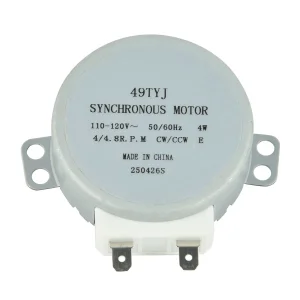
Microwave synchronous motors, long-life 5V DC gear motors for pet breeders and brushless motors for cowshed applications show how compact motion reaches beyond heavy industry. Reliability, moisture resistance, low maintenance and stable supply matter in these high-volume segments.
Factory 4.0 is often described with robots and dashboards, but global buyers experience it through fewer surprises: stable dimensional capability, faster engineering changes, measurable outgoing quality and a supply chain that can recover from component disruptions.
RedCat Motors’ manufacturing base in Foshan covers more than 15,000 square meters and a workforce of over 220 people, with advanced motor production lines, precision machining centers and comprehensive testing facilities. Strict quality control procedures are implemented throughout every stage of production, from component sourcing and assembly to final inspection and shipment. For low-profile motor projects, this operating model matters because compact designs often have narrow tolerance windows: a small change in bearing clearance, winding tension, magnet placement, encoder alignment or housing flatness can affect noise, torque ripple or thermal performance.
Supplier qualification, incoming inspection and controlled sourcing across magnets, bearings, laminations, wire, encoders and electronics help protect delivery schedules. Critical items can be reviewed for alternate sourcing during contract review when the project risk profile requires it.
Precision machining, motor production lines, testing facilities and strict quality control from component sourcing to final shipment support repeatability. Lot-level records, inspection data and change-control practices can be aligned with enterprise audit requirements.
OEM and ODM project management links motor design, drive integration, private-label packaging, final testing and export documentation. Fewer handoffs between engineering and logistics mean fewer release errors when a global buyer scales from sample to batch order.
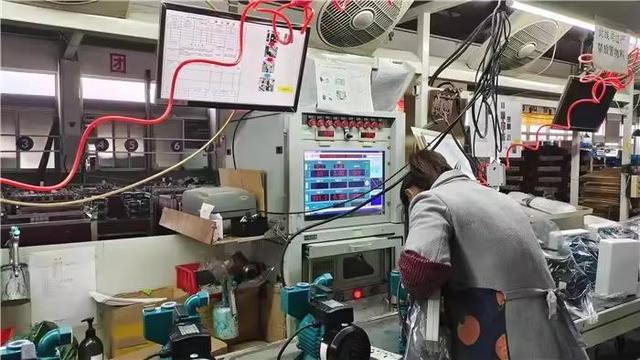
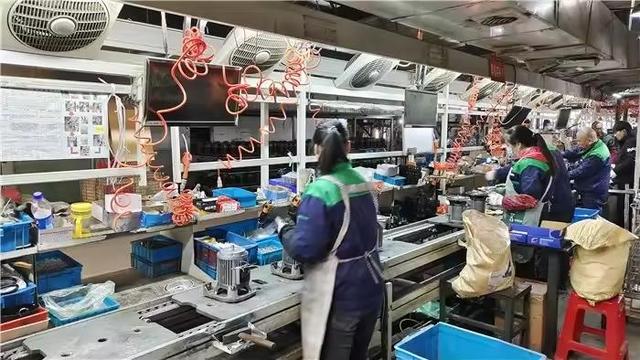
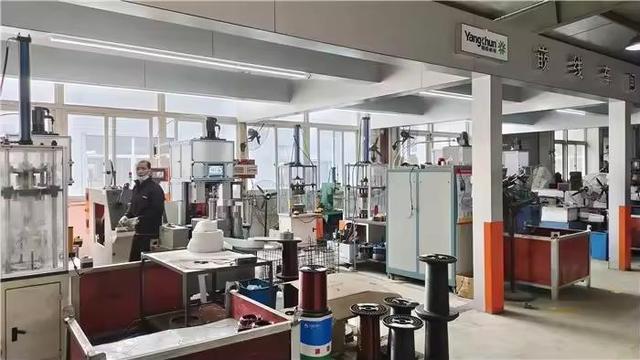
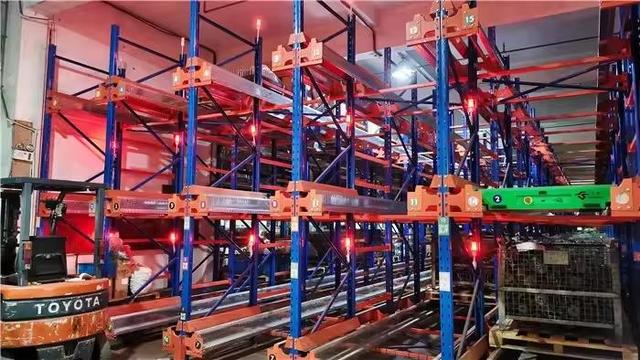
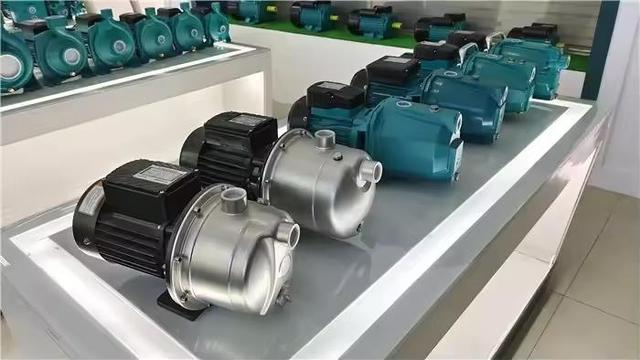
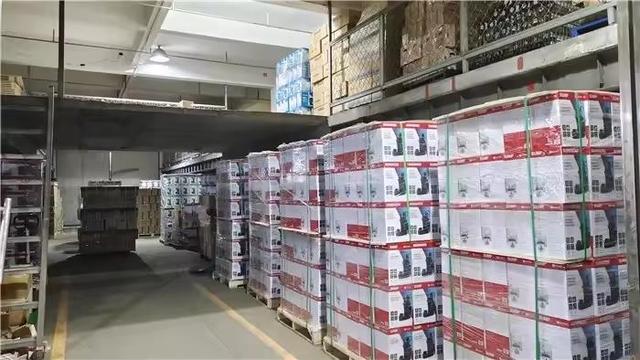
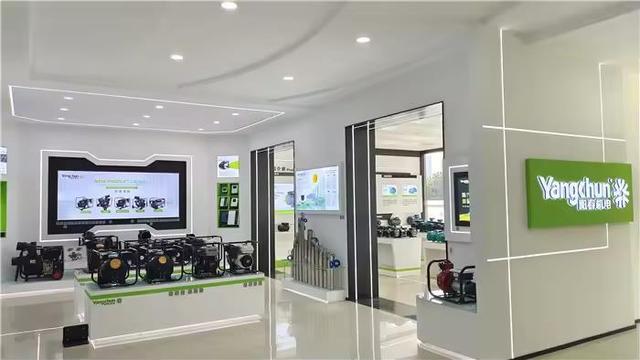
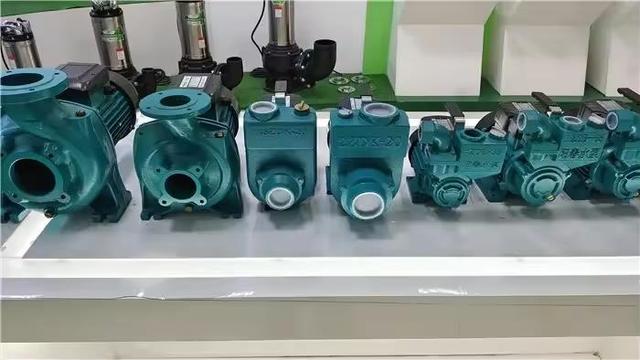
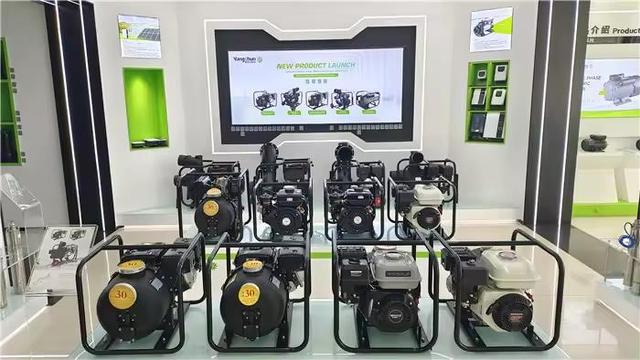
For a low-profile motor program, Factory 4.0 value is proven by controlled tolerances, documented tests, fast engineering feedback and repeatable shipment quality. Buyers should ask for the evidence behind the claim: drawings, inspection plans, test reports, change logs and traceability records.
Enterprise buyers compare total cost of ownership, technical fit, compliance, supply risk and engineering responsiveness. A low price quote that ignores thermal derating or documentation can become expensive after the machine launches.
Review the torque-speed curve, duty cycle, peak-to-continuous torque, efficiency map, noise target, insulation class, bearing life and allowed axial envelope. A compact motor that fails thermally in the field is not a lower-cost solution.
Check engineering response quality, inspection plans, test equipment, production traceability, change notification and corrective-action process. The best procurement decision is supported by evidence that can be audited, not only by a catalogue.
Discuss MOQ, prototype timing, forecast visibility, lead time, lifecycle status, second-source strategy and warranty. Global supply continuity depends on component planning and transparent communication before a shortage appears.
Confirm the applicable standards for the destination market. CE, RoHS, REACH, IEC, UL and efficiency requirements should be scoped per product rather than assumed from a general website statement. Request declarations and test evidence before approval.
Required torque and speed at the real load point
Axial envelope, mounting, shaft and connector limits
Duty cycle, thermal margin and derating conditions
Feedback, drive, EMC and communication requirements
IP protection, vibration, moisture and ambient conditions
Certification scope and destination-market documentation
Prototype validation plan and production approval criteria
Change control, lifecycle support and spare-parts strategy
A China-based exporter becomes easier to integrate when engineering, documentation and logistics are localized to the buyer’s market. Localization is not only language; it is electrical, mechanical and regulatory fit.
Projects can be configured around 24V or 48V DC systems, 110V or 220V single-phase supply, and 380V–480V three-phase supply with 50Hz or 60Hz operation. Connectors, cable exits, braking logic and control interfaces can be reviewed against the machine’s regional design standard.
Shaft dimensions, flanges, mounting holes, encoder position, brake integration and protective covers can be adapted to the buyer’s assembly line. Clear tolerance drawings are essential for compact low-profile motors because small stack-up errors can affect fit and noise.
Datasheets, drawings, inspection reports, test reports and material declarations support supplier qualification. CE, RoHS, REACH, IEC-related, UL and regional efficiency requirements should be confirmed per product and market before certification claims are used in a contract.
Export packaging, labeling, shipment coordination, spare-parts planning and engineering-change communication can be aligned with the buyer’s procurement process. For long-life industrial equipment, lifecycle communication is a compliance and supply-chain control, not an after-sales extra.
Compliance statement: product certifications and declarations are project-specific. Final scope depends on the exact motor, drive, voltage, enclosure, destination market and requested test evidence. Buyers should verify the applicable standards and documentation before purchase approval.
These answers address common search intents from design engineers, sourcing managers and quality teams evaluating a China low profile motor supplier and exporter.
A low profile motor is designed to fit a shallow axial space while still delivering the required torque, speed, feedback and thermal performance. The difference is not only housing height. A compact motor may use axial-flux magnetics, a flat radial-flux design, a pancake stepper, a low-profile BLDC rotor or an integrated gearbox. The final design must balance torque density, bearing life, heat rejection, ingress protection and control electronics.
RedCat Motors provides OEM and ODM manufacturing services, including customized motor designs, performance specifications, drive integration and private-label solutions. Customization can address winding, voltage, speed, torque, mounting, shaft, connector, feedback, brake and enclosure requirements. Feasibility depends on the allowed envelope, duty cycle, target life, certification scope and annual volume, so an early technical RFQ with drawings and load data is the most efficient starting point.
Application requirements determine the choice. BLDC motors are often suitable for compact, efficient variable-speed applications such as seat adjustment, vacuum tools, pumps and livestock equipment. Servo motors with encoders are preferred for robotics, CNC, AGV and precision positioning. Stepper motors support cost-effective open-loop or closed-loop motion in NEMA 17 or NEMA 23 envelopes. AC gear motors and three-phase induction motors are common for industrial drives, pumps, packaging and textile machinery. The supplier should compare the actual duty cycle rather than promote a single topology.
Buyers should review approved drawings, torque-speed curves, thermal assumptions, insulation data, IP protection, feedback specifications and inspection plans. A sample validation plan may include no-load and loaded testing, temperature rise, vibration, noise, insulation resistance, dielectric strength and endurance checks. Before mass production, confirm incoming inspection, in-process controls, final test records, traceability and change-notification procedures. Third-party inspection can be added when the buyer’s risk process requires it.
Depending on the product and destination market, buyers may request declarations and evidence related to CE, RoHS, REACH, IEC-related testing, UL requirements, efficiency regulations, IP testing and material declarations. RedCat Motors can support project-specific compliance discussions, but a certificate or declaration should always state the exact model, rating, standard and scope. Buyers should not assume that a general catalogue statement covers a customized low-profile motor without written confirmation.
Typical review options include 24V and 48V DC platforms for compact BLDC and servo applications, single-phase supply for smaller equipment, and 380V–480V three-phase configurations for industrial motors depending on the product family. Communication and feedback can include Hall sensors, incremental encoders, absolute encoders, CANopen, EtherCAT and Modbus when supported by the selected platform. Final availability must be confirmed against the exact motor and drive combination.
Include the load profile, required torque-speed curve, duty cycle, peak and continuous operating conditions, available envelope, mounting interface, shaft details, voltage and control supply, feedback requirement, IP rating, ambient temperature, noise limit, target life, destination market, expected prototype date, annual volume and required compliance evidence. Clear inputs reduce engineering iterations and make the quotation easier to compare across suppliers.
Supply continuity is supported through production traceability, agreed inspection criteria, change-control communication, documentation retention and spare-parts planning. For global OEMs, it is also important to review forecast visibility, component lead times and lifecycle status during commercial negotiations. The objective is to reduce unexpected design changes, shipment delays and unplanned downtime after the motor has been qualified into the machine.
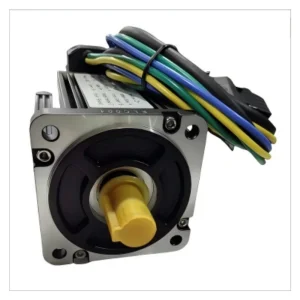
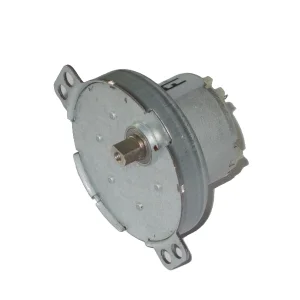
The second product shelf completes the original product references. It supports buyers who are comparing compact stepper, DC gear, servo, vacuum, appliance and industrial AC motor options.
 RedCat Motors